

Salmon Roe (Ikura): The Complete Guide to This Vibrant Red Caviar
- Updated
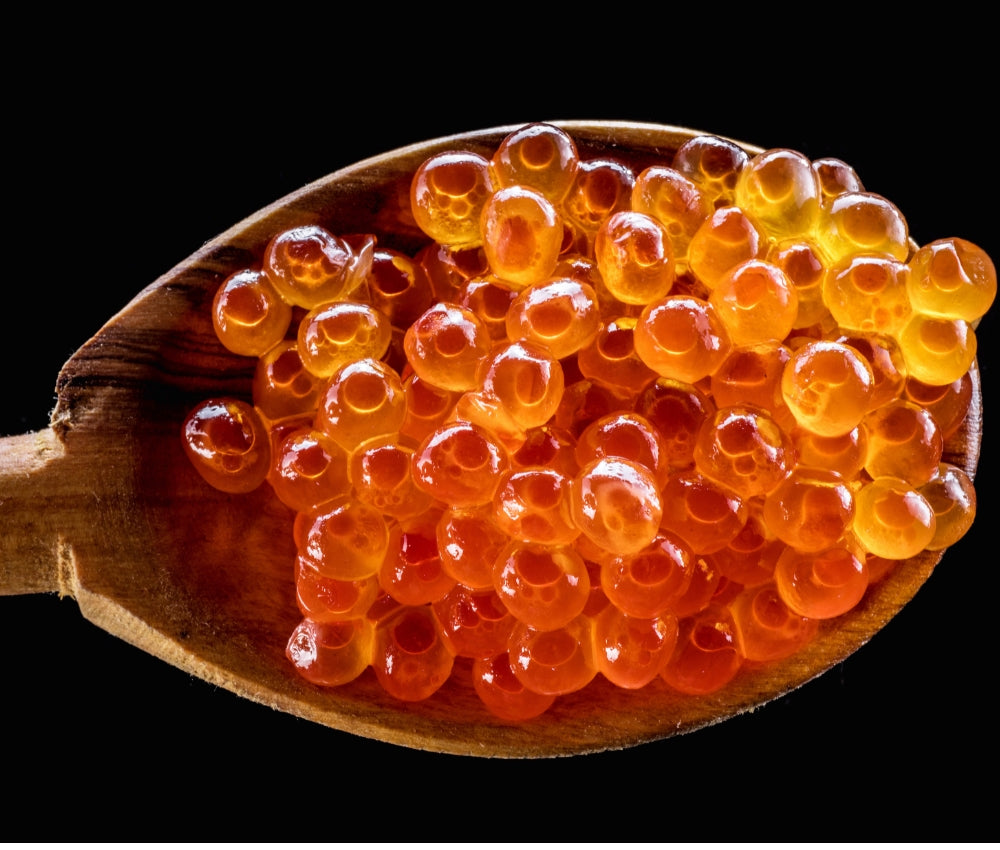
Salmon roe and ikura are two names for the same delicacy, and knowing that from the start clears up most of the confusion people run into when they first encounter it. Salmon roe is the English term, while ikura is the Japanese word most commonly seen on sushi menus and in recipes. Both refer to the cured eggs of salmon, prized for their vivid red-orange color, their clean briny pop, and the way a small spoonful can change the character of an entire dish.
This guide covers what salmon roe and ikura actually are, the different salmon species behind the varieties you will find for sale, how salmon roe compares to true sturgeon caviar, and how to choose, store, and serve it well. Whether you already know you like ikura from sushi or you are considering your first jar, the goal here is a clear, practical understanding rather than marketing language. By the end, you should be able to walk into any seafood counter or browse any online shop and know exactly what you are looking at and whether it is worth the price being asked.
What Salmon Roe and Ikura Actually Are
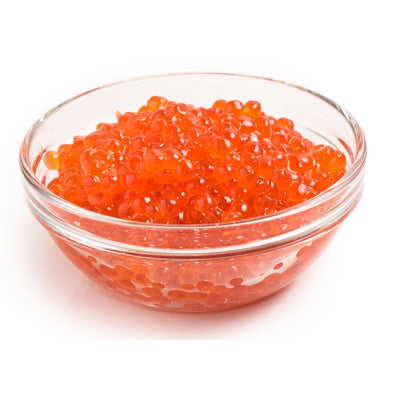
Salmon roe is the unfertilized eggs of salmon, harvested, gently rinsed, and cured with salt to preserve their flavor and texture. The eggs are large compared to most other roe, translucent, and range in color from a pale orange to a deep, almost ruby red depending on the species. When people say ikura, they are most often referring to salmon roe cured in the traditional Japanese style, though the term is used broadly enough in practice that it now covers salmon roe in general in most Western retail contexts.
The eggs come from several species of Pacific salmon, and each species produces roe with a distinct size, color, and flavor. Sockeye, chum, pink, and coho are the four most commonly sold varieties, and none of them are interchangeable once you taste them side by side. Understanding these differences is the first real step toward buying salmon roe with confidence rather than guessing based on color alone.
The Main Types of Salmon Roe
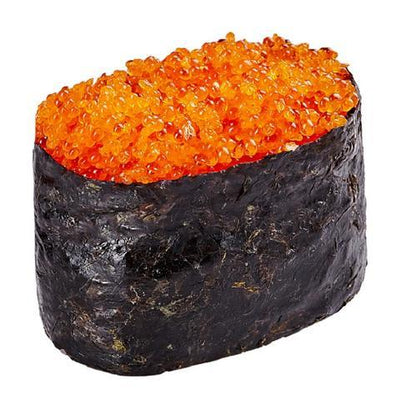
Sockeye salmon roe is the variety most directly associated with the word ikura in Japanese cuisine. Its eggs are large, firm, and deep orange to red, with a rich, slightly briny flavor that holds up well against soy sauce, sake, or mirin in a traditional marinade. This is the roe most often served over rice as ikura don or used as a topping for nigiri and gunkan-style sushi.
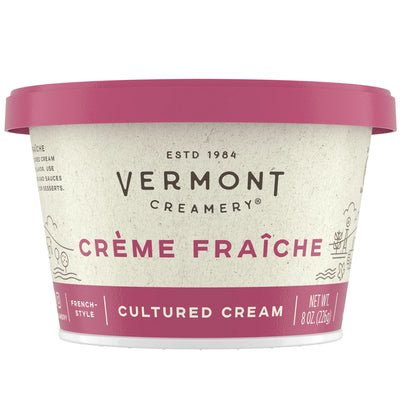
Chum salmon roe, sometimes labeled keta salmon roe, produces some of the largest pearls of any variety, with a golden-orange to amber color and a rich, briny-sweet flavor. Because the eggs are so large and visually striking, chum roe is a favorite for classic caviar-style presentation on blinis or crackers, not just for sushi. Pink salmon roe is smaller and more delicate, with a lighter, cleaner brine that works well in dishes where you want the roe to complement rather than dominate. Coho, sometimes called silver salmon roe, sits between the two, with a slightly creamier texture and a more subtle flavor that pairs easily with richer ingredients like crème fraîche or soft cheese.

Salmon Roe vs. Sturgeon Caviar: What Actually Sets Them Apart
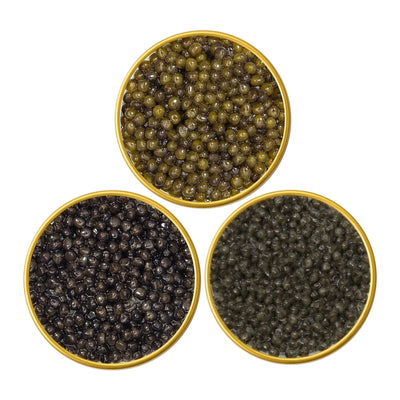
Salmon roe and sturgeon caviar are often mentioned in the same breath, but they come from entirely different fish and are not interchangeable products. True caviar, by the strict definition, refers only to the cured roe of sturgeon, a species found primarily in the Caspian and Black Seas and now farmed widely for sustainability. Salmon roe comes from an unrelated species entirely, and calling it salmon caviar, while common in casual use, is not technically accurate.
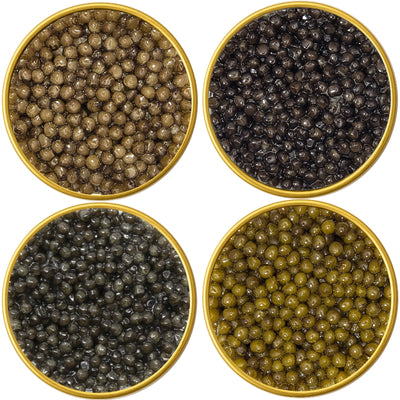
The two also differ noticeably in size, texture, and flavor. Sturgeon caviar has smaller, firmer eggs with a dense pop and a nutty, mineral-forward taste that develops slowly on the palate. Salmon roe pearls are considerably larger and burst more readily, releasing a brighter, more immediate brininess with a touch of natural sweetness. Neither is a lesser version of the other. They simply serve different roles at the table, and salmon roe's larger, bolder pop makes it especially well suited to sushi, where visual impact and a satisfying bite matter as much as flavor.

Health Benefits of Salmon Roe
Beyond its flavor, salmon roe is genuinely nutrient-dense. It is one of the richer natural sources of omega-3 fatty acids, particularly EPA and DHA, both of which are associated with cardiovascular and cognitive health when included as part of a balanced diet. A single serving also delivers a meaningful amount of complete protein, along with vitamin D, vitamin B12, and selenium, nutrients that are not always easy to get in concentrated form from other foods.
This nutritional density is part of why salmon roe has moved beyond a purely occasional treat for many people and into a more regular addition to meals, whether spooned over rice, folded into a simple pasta, or added to a breakfast plate alongside eggs. It delivers real nutritional value in a small serving size, which suits how the ingredient is typically eaten. A tablespoon or two is usually enough to notice the benefit without turning it into a main course, which keeps both the cost and the richness in check.
How to Choose and Store Salmon Roe
Quality salmon roe should look plump, glossy, and evenly colored, with individual eggs that hold their shape rather than looking crushed or watery in the container. Avoid roe that looks dull, has an overly strong fishy smell, or shows any separation of liquid, since these are early signs of poor handling or age. A reputable seller will also tell you clearly which species the roe comes from and whether it has been pasteurized, since that affects both flavor and shelf life.
Keep salmon roe refrigerated at all times, ideally between 35 and 40 degrees Fahrenheit, and treat the sell-by date as a firm limit rather than a suggestion. Fresh, unpasteurized roe typically holds its best quality for three to four days once opened, while pasteurized or more heavily cured roe can last five to seven days under proper refrigeration. If you will not use an unopened container within that window, freezing it in an airtight container is a reasonable option, though texture softens slightly after thawing.

How to Prepare and Enjoy Ikura and Salmon Roe
The simplest and most common way to enjoy ikura is completely unadorned, spooned directly over warm rice as ikura don, or gunkan-style on a small band of nori and sushi rice. Served this way, the roe is the entire point of the dish, and its texture and brine need nothing else to shine. This is also the best way to try salmon roe for the first time, since it shows you exactly what the ingredient tastes like before you start pairing it with other flavors.
Beyond sushi, salmon roe adapts well to both Japanese and Western dishes. In Japanese cooking it appears in donburi rice bowls, as a garnish over chilled somen noodles, and occasionally folded gently into a light dashi-based soup just before serving. In Western settings, a spoonful over blinis with crème fraîche is the classic pairing, but salmon roe also works well scattered over deviled eggs, folded into a simple linguine with lemon and butter, or added at the last moment to a soft scramble. The one rule that carries across every preparation is to add the roe at the very end, since heat and prolonged contact with acidic ingredients will quickly break down its texture.
Where to Buy Real Salmon Roe
The clearest sign of a trustworthy seller is transparency about species, origin, and processing. A seller who specifies whether you are buying sockeye, chum, pink, or coho roe, and where the salmon was wild-caught, is telling you they understand the product rather than treating all salmon roe as one interchangeable item. Vague labeling that simply says "salmon caviar" with no further detail is worth a second look.
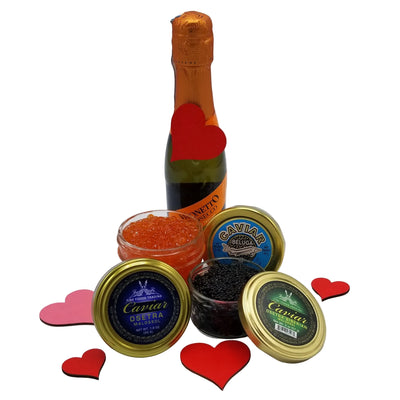
Our own salmon roe selection includes wild-caught chum, pink, and sockeye varieties, each prepared using the traditional malosol method, the same lightly salted approach used across our sturgeon caviar, so you get a clean, natural flavor rather than an overly salted one. If you are deciding between salmon roe and true sturgeon caviar for a specific occasion, our guide to caviar substitutes walks through when each makes more sense, and our caviar recipes collection has more ways to use ikura beyond a simple sushi topping. Buying directly from a specialist rather than a general grocery counter also tends to mean fresher stock, since a dedicated seller moves through inventory faster and stores it properly in the meantime.
Bringing Ikura to Your Table
Salmon roe and ikura reward a little bit of knowledge before you buy, but they do not demand expertise. Once you know which species you are looking at, how to judge freshness, and how simply the roe wants to be served, the rest comes down to personal taste rather than technique. A small jar goes a long way, and it turns an ordinary bowl of rice or a simple plate of blinis into something worth slowing down for.

:%20The%20Complete%20Guide%20to%20This%20Vibrant%20Red%20Caviar)