Caviar Substitutes: The Best Alternatives for Every Budget and Occasion
Not every table calls for genuine sturgeon caviar, and that is not a compromise, it is a decision. A good caviar substitute can deliver the same briny pop, the same visual drama on a blini, and the same sense of occasion, without the price tag that keeps real caviar reserved for rare celebrations. Whether you are stocking a party spread for forty guests, cooking for someone who avoids animal products, or simply exploring what else the ocean has to offer, there is a substitute built for the moment. The trick is matching the right alternative to the right use, because a substitute is not a lesser version of caviar, it is a different tool for a different job. This guide walks through the best fish roe alternatives, the plant-based options, and the practical guidance you need to choose with confidence.
Caviar Substitutes at a Glance
| Substitute | What It Is | Flavor Profile | Best For | Relative Price |
|---|---|---|---|---|
| Salmon Roe (Ikura) | Real fish roe | Rich, briny, slightly sweet | Formal spreads, blinis, sushi | $$ |
| Lumpfish Caviar | Real fish roe | Bold, assertive brine | Large parties, canapés | $ |
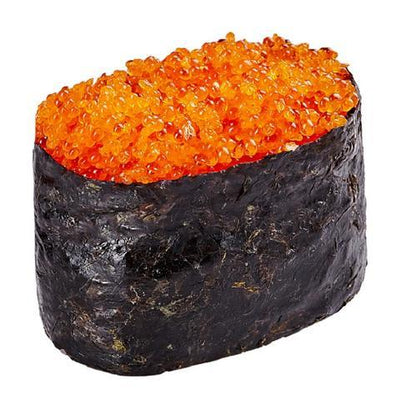
| Tobiko | Real fish roe | Crunchy, pronounced, umami | Sushi rolls, nigiri | $$ |
| Masago | Real fish roe | Mild, subtly briny | Everyday sushi, garnish | $ |
| Trout & Whitefish Roe | Real fish roe | Mild, delicate crunch | Canapés, lighter pairings | $$ |
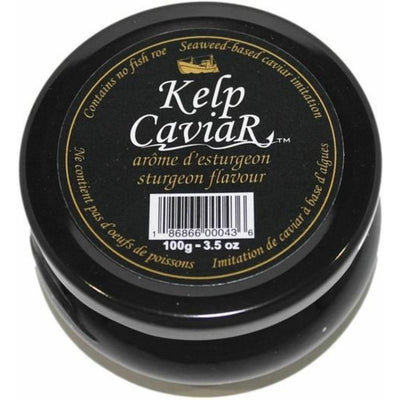
| Seaweed Caviar | Plant-based (kelp) | Clean, oceanic, no fishiness | Vegan menus, mixed-diet tables | $$ |
What Makes a Good Caviar Substitute
Before comparing specific products, it helps to know what you are actually looking for. The defining sensory trait of caviar is the pop, that brief moment of resistance followed by a burst of brine when an egg meets the roof of your mouth. Any caviar substitute worth buying needs to replicate that texture convincingly, because texture is what people notice first, often before flavor even registers. Size and color matter too, since a substitute that looks the part on a blini or a canapé does more visual work than one that simply tastes similar but disappears against the plate.
Flavor is where real caviar and its substitutes diverge the most, and that is worth accepting rather than fighting. Sturgeon caviar has a specific nutty, buttery signature built up over years of maturation, and no substitute fully recreates that particular chemistry. What a good caviar alternative can do is offer its own honest version of brine and ocean character, one that stands on its own rather than pretending to be something it is not. Price and sourcing round out the decision, since the whole point of a substitute is usually to solve for budget, dietary need, or availability, and the best options solve for at least one of those clearly.
The Best Fish Roe Alternatives to Real Caviar
If you want something that behaves like caviar because it genuinely is roe, just from a different fish, this category is where to start. These are not imitation products. They are real eggs, cured the same way sturgeon roe is cured, which is why they hold up so well as caviar alternatives in both flavor and presentation.

Salmon Roe (Ikura): The Closest Match in Flavor
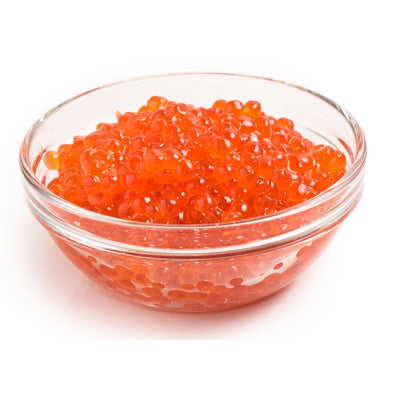
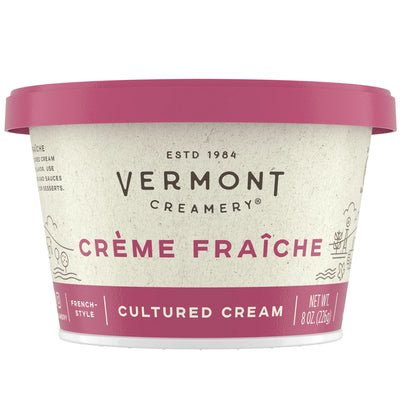
Salmon roe, also called ikura, is the substitute most people reach for first, and there is good reason for that. The eggs are large, glossy, and genuinely briny, with a rich, slightly sweet finish that reads as luxurious rather than like a workaround. It pairs beautifully with the same accompaniments as sturgeon caviar, from blinis and crème fraîche to a simple slice of buttered toast, which makes the transition seamless for guests who are used to the real thing. For a deeper look at where salmon roe comes from and how to use it across different dishes, our complete guide to salmon roe covers everything from sourcing to serving.
Lumpfish Caviar: The Everyday Crowd-Pleaser
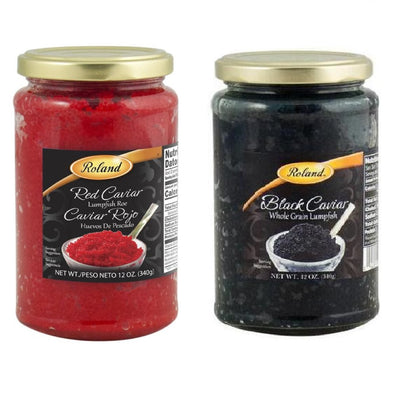
Lumpfish caviar is the substitute that has quietly stocked European kitchens and catering spreads for decades, and it earns that reputation honestly. The eggs are small, firm, and consistently round, with a bold, assertive brine that holds its own even when mixed into a dish rather than served on its own. It is one of the most affordable caviar alternatives available, and because it comes in both black and red, it gives you the visual range to match whatever presentation you are going for. Our full breakdown of lumpfish caviar covers how it tastes, how to use it, and how it compares to sturgeon roe in practical terms.
Tobiko and Masago: Built for Sushi and Garnish
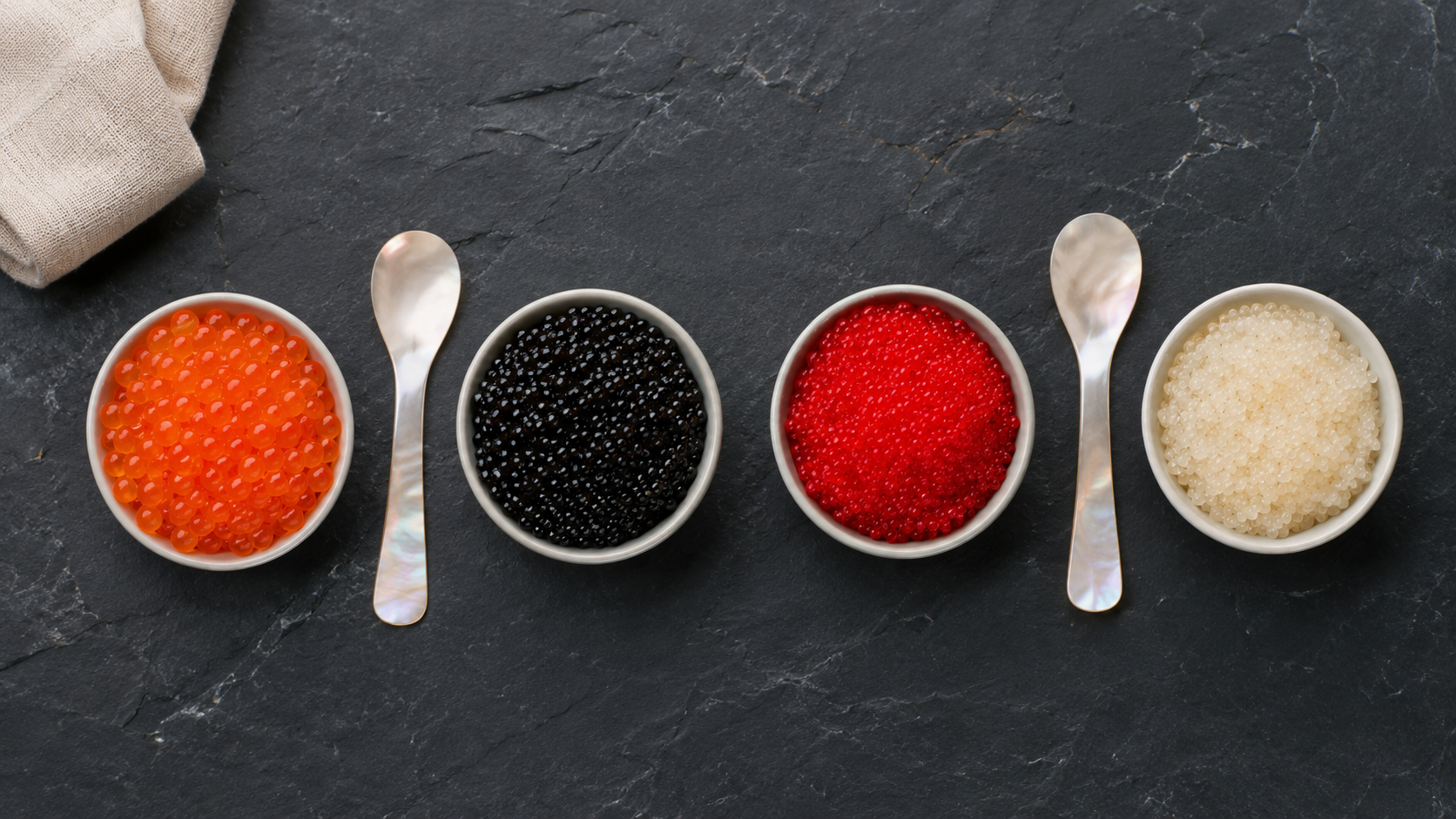
When the occasion is sushi night rather than a formal caviar service, tobiko and masago are the more natural choice. Tobiko, the roe of the flying fish, has a satisfying crunch and a more pronounced flavor, while masago, from the capelin fish, is milder and more budget-friendly. Both come dyed in a range of colors, which makes them genuinely useful as a caviar substitute anywhere you want visual contrast on a plate, not just flavor. If you are trying to decide which one fits your dish, our detailed masago vs tobiko comparison lays out the differences in taste, texture, and price side by side.
Trout and Whitefish Roe: The Understated Middle Ground
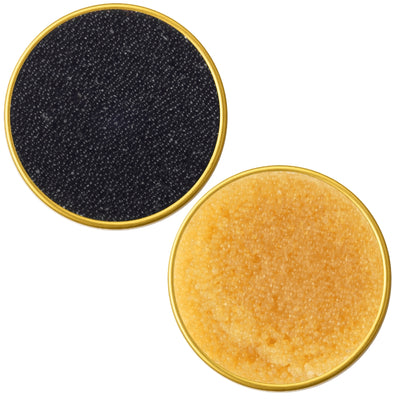
Trout roe and whitefish roe do not get as much attention as salmon roe or tobiko, but they deserve a place on this list. Trout roe has a similar large-pearl structure to salmon roe with a slightly milder, less oily finish, which makes it a good caviar alternative for guests who find salmon roe a touch too rich. Whitefish roe is smaller and pale gold in color, with a delicate crunch that works well as a finishing touch on canapés rather than a headline ingredient. Both are widely available through specialty seafood suppliers and tend to sit at a price point between lumpfish and salmon roe, which makes them a useful middle option when you want something a step above the everyday but still well below sturgeon prices.
Vegan and Plant-Based Caviar Alternatives
Fish roe alternatives solve the price problem, but they do not solve for dietary restrictions or ethical preferences. That is where plant-based caviar substitutes come in, and the category has matured well past the novelty stage it started in.
Seaweed Caviar: Zero Fish, Full Pop
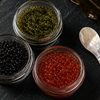
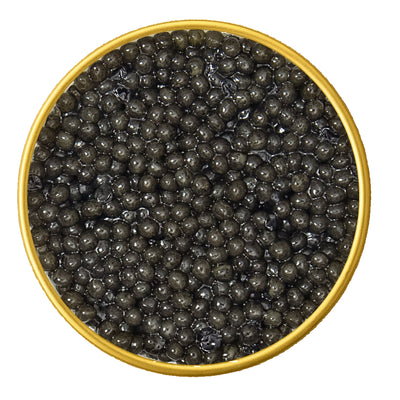
Seaweed caviar, sometimes called kelp caviar, is made by processing seaweed extract with natural gelling agents to form small, round pearls that genuinely pop the way fish roe does. The flavor leans clean and oceanic rather than fishy, which makes it an easy sell even to guests who are not vegan or vegetarian themselves. It is available in colors that mimic black sturgeon caviar, red salmon roe, and even green wasabi tobiko, so you can match it to whatever presentation your menu calls for. This makes it one of the most versatile vegan caviar substitute options on the market, equally at home on a canapé tray or worked into a plant-based tasting menu.
Affordable Caviar Alternatives for Every Budget
Cost is the reason most people go looking for a caviar substitute in the first place, and it is worth being direct about what actually saves money without sacrificing the experience. Salmon roe, lumpfish caviar, and tobiko all cost a fraction of sturgeon caviar per ounce, and all three deliver a genuine sense of occasion when presented properly, on ice, with a proper spoon, alongside the classic pairings. The mistake to avoid is treating a budget-friendly caviar alternative as an afterthought, tossed onto a plate without any of the presentation that makes caviar feel special in the first place. A small amount of any of these, served cold and with intention, will outperform a larger amount served carelessly every time. If you want a broader breakdown of where the real savings are and how far your budget can stretch, our guide to affordable caviar options walks through pricing across the most accessible varieties.

Choosing the Right Substitute for the Occasion
The best caviar substitute is the one that matches what you are actually trying to accomplish, so it helps to think in terms of scenarios rather than trying to find one universal answer. For a large party spread where budget matters more than nuance, lumpfish caviar or masago will stretch further and still look the part on a crowded table. For a smaller, more intentional gathering where flavor is the focus, salmon roe gets you closest to the real experience without the sturgeon price tag. For sushi night at home, tobiko is simply the correct tool, built for that exact use case. For a dinner where a guest avoids fish or animal products entirely, seaweed caviar lets everyone at the table share the same dish without anyone feeling like they got the consolation option.

None of these choices require apologizing for not serving sturgeon caviar, because that was never really the point. A caviar substitute succeeds when it fits the moment it was chosen for, whether that moment calls for economy, inclusivity, or simply a different flavor profile than the one sturgeon roe provides. Once you know what each option is actually good at, choosing between them stops being a compromise and starts being a straightforward decision based on what your table needs that day.
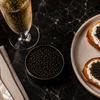
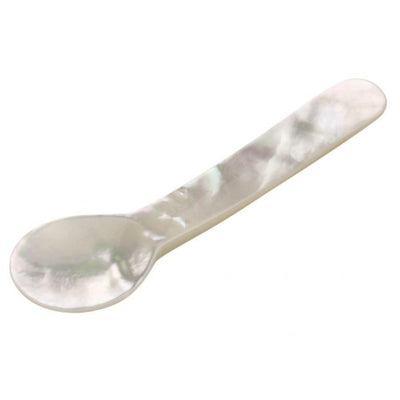
A useful habit, once you have picked a substitute, is to serve it the same way you would serve real caviar rather than treating it casually because it cost less. Keep it cold on a bed of ice until the moment it is served, use a small non-metallic spoon so the flavor stays clean, and pair it with something simple like a blini or a plain cracker so the roe itself stays the focus. Presentation does more to shape how a substitute is perceived than the price of the roe itself, and a thoughtfully plated lumpfish caviar will consistently read as more special than an expensive product served without any care. That is really the whole philosophy behind choosing a caviar substitute well: match the roe to the occasion, then give it the presentation it deserves.
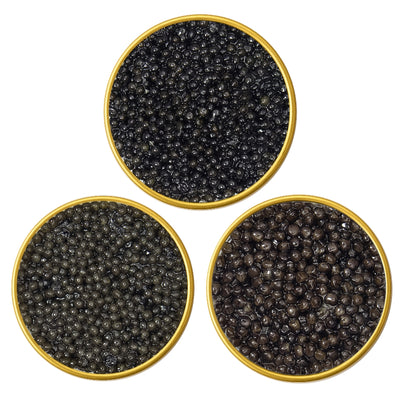
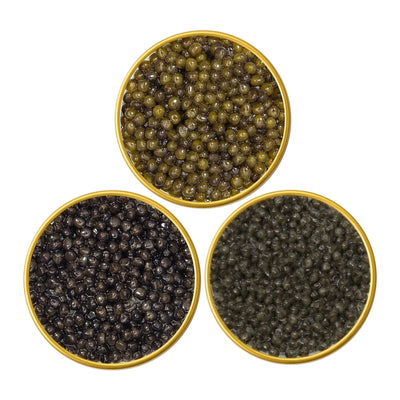
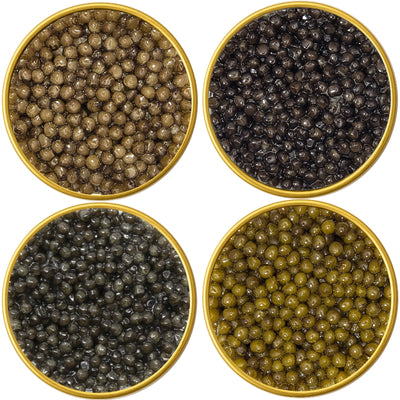
If this exploration has you curious about where real sturgeon caviar fits into your rotation alongside these alternatives, browsing a full range of options side by side is the easiest way to see how they compare in person.