Kaluga vs Beluga Caviar: What's the Difference and Which Should You Buy?
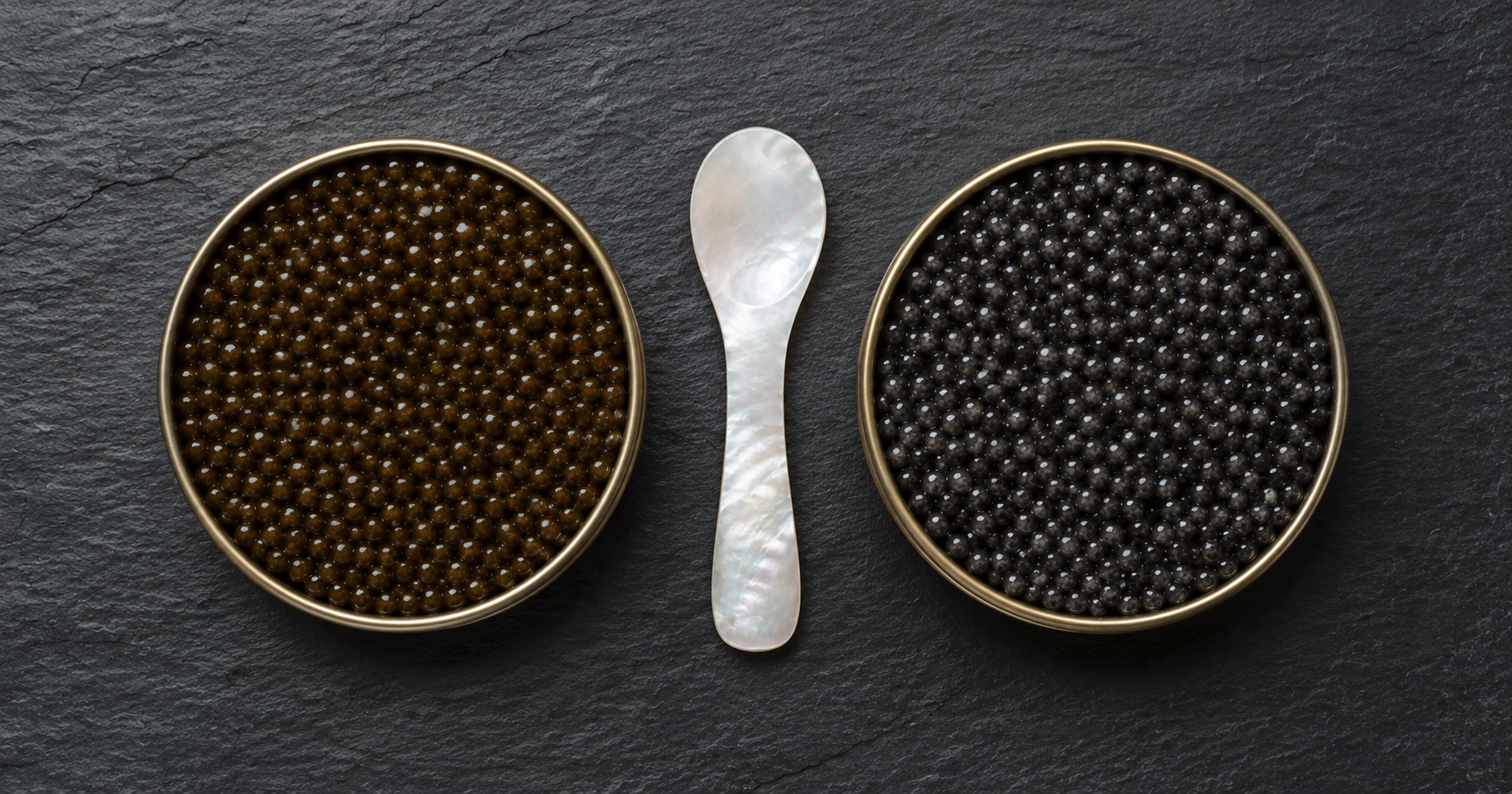
Kaluga caviar and beluga caviar are often mentioned in the same breath, and for good reason. Both come from large, slow-maturing sturgeon. Both produce exceptionally large pearls with a rich, buttery character. Both belong to the highest tier of black caviar available today. But they are not the same product, and the differences matter when you are making a buying decision. This guide lays out everything you need to know about kaluga caviar versus beluga: the fish behind each, the flavor profiles side by side, the price gap, and ultimately which one makes the most sense for your table.
What Is Kaluga Caviar?

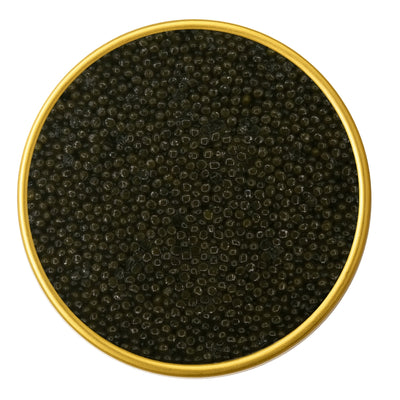
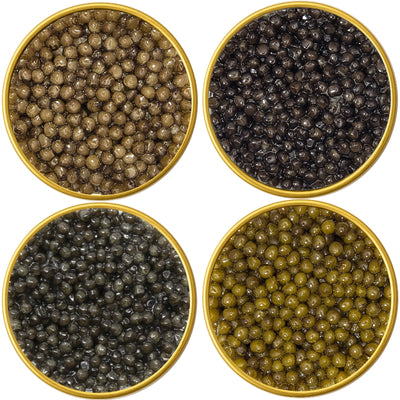
Kaluga caviar comes from the Kaluga hybrid sturgeon, a cross between Huso Dauricus and Acipenser Schrenckii. These two species are native to the Amur River basin in Eastern Asia, one of the most biodiverse freshwater systems in the world. The hybrid was developed through sustainable aquaculture to combine the best qualities of both parent species, specifically the size and pearl characteristics of Huso Dauricus with the hardiness and yield of Acipenser Schrenckii. The result is a fish that produces roe remarkably similar to wild beluga in size, texture, and flavor, while being farmed under controlled, ethical conditions.
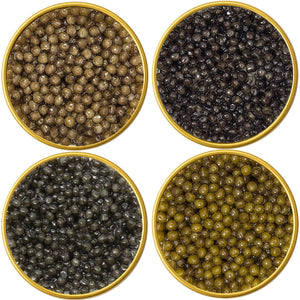
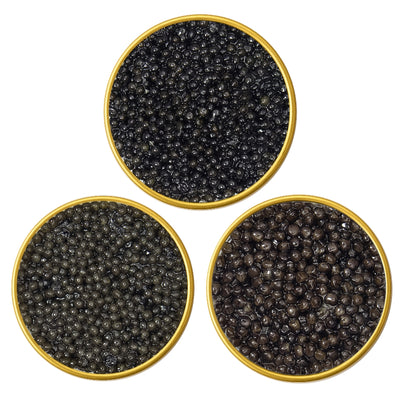
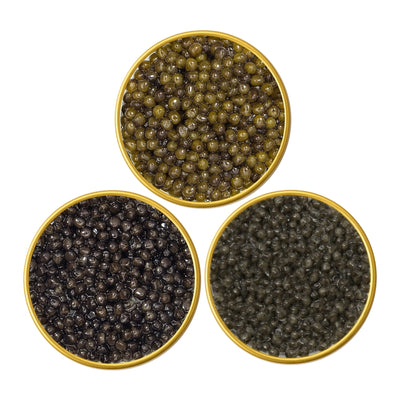
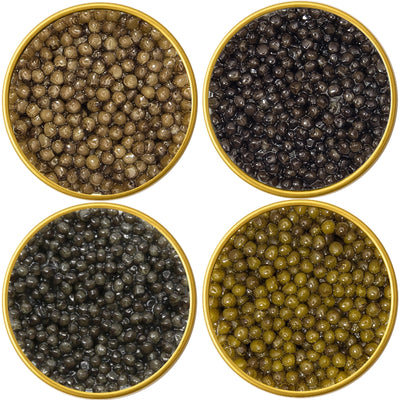
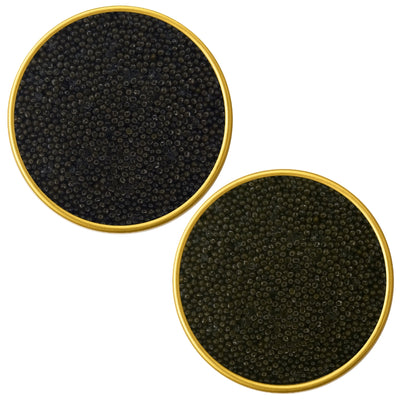
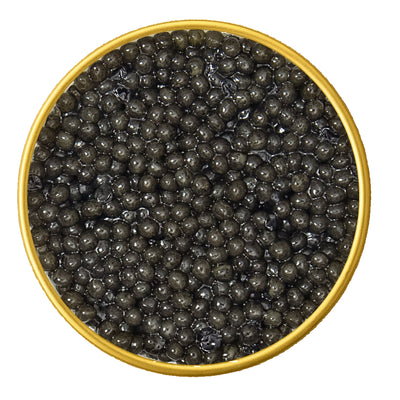
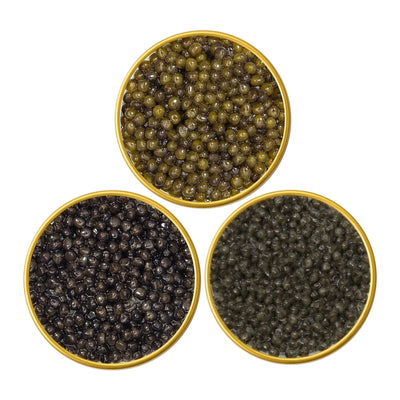
Because of how closely the Kaluga hybrid resembles the Huso Huso beluga sturgeon, particularly in the size and quality of its roe, it is widely marketed under the name River Beluga. This is not a gimmick. The roe genuinely shares many of the same characteristics that made beluga caviar the world's most prized luxury food. The pearls are large, glossy, and dark auburn in color, with a satisfying pop and a smooth, creamy finish. For buyers in the United States looking to experience the beluga tier without sourcing restrictions or inflated pricing, kaluga sturgeon caviar is the most direct path.
Kaluga caviar is produced using the traditional Malosol method, meaning it is lightly salted (typically around three percent) to preserve the roe's natural flavor rather than mask it. This minimal salt treatment allows the full character of the roe to come through: the buttery, mildly nutty profile with a clean ocean finish that defines premium sturgeon caviar. The aquaculture farms producing it operate under strict environmental and quality standards, ensuring freshness and consistency from one batch to the next.
What Is Beluga Caviar?
Beluga caviar traditionally refers to roe harvested from the Huso Huso sturgeon, the largest freshwater fish in the world. Wild Huso Huso can grow to over twenty feet in length and live for more than a century, and females typically require fifteen to twenty-five years before producing roe. That extraordinary maturation period is one of the central reasons beluga caviar became the most legendary and most expensive caviar on the planet. The supply was always limited, and the stakes of production were enormous for any farm or harvester involved.
The pearls produced by Huso Huso are the largest of any sturgeon, with a notably soft, thin skin and a flavor profile defined by elegance rather than intensity. Beluga caviar is not briny or sharp. At its best, it delivers a clean, creamy finish with a delicate complexity that lingers. The color ranges from light to dark gray depending on the individual fish and grade. It has historically been the benchmark against which all other black caviar is measured, and that reputation has never really faded.
However, wild Huso Huso caviar is no longer legally available in the United States. In 2005, the US Fish and Wildlife Service banned the import of Caspian and Black Sea beluga caviar due to the critically endangered status of the wild beluga sturgeon. What is sold today as beluga caviar in the US market comes from farmed hybrid sturgeon, typically Huso Huso crossed with Acipenser Ruthenus. This is a meaningful distinction, because it means the practical gap between farmed beluga and kaluga caviar is narrower than most buyers assume. Both are hybrid products, both are farmed, and both are held to the Malosol standard at the premium end of the market.
Kaluga vs Beluga: A Direct Comparison
When placed side by side, kaluga and beluga caviar share more than they differ. The differences that do exist are real, but they are more about nuance than category. The table below gives you a clear picture at a glance.
| Kaluga Caviar | Beluga Caviar | |
|---|---|---|
| Sturgeon species | Huso Dauricus x Acipenser Schrenckii hybrid | Huso Huso x Acipenser Ruthenus hybrid (farmed) |
| Origin | Amur River basin, Eastern Asia | Caspian Sea region (now farmed globally) |
| Pearl size | Large, 3mm to 3.5mm | Very large, 3.5mm to 4mm+ |
| Color | Dark auburn to near-black | Light to dark gray |
| Flavor | Buttery, nutty, full-bodied, clean finish | Creamy, delicate, long clean finish |
| Texture | Firm pop, smooth release | Soft, thin skin, melting quality |
| Preparation | Malosol (lightly salted) | Malosol (lightly salted) |
| US availability | Readily available, consistent supply | Available but more limited |
| Best for | Regular indulgence, first-time premium buyers, gifts | Special occasions, collectors, connoisseurs |
The table makes the core argument visible in one look. Both sit firmly in the premium tier, both use the Malosol method, and both deliver the large-pearl experience that defines luxury black caviar. The meaningful differences come down to subtle flavor nuance, pearl size by a fraction of a millimeter, and a price gap that is anything but subtle. For most buyers, those trade-offs point clearly in one direction.
Why Kaluga Caviar Is the Smarter Buy for Most People
The case for kaluga caviar is straightforward. You are getting pearl size, flavor depth, and textural quality that sits comfortably within the beluga tier, at a price that does not require you to treat it as an untouchable occasion product. That access matters. Caviar eaten rarely is rarely understood. The buyers who develop a genuine appreciation for premium roe are the ones who eat it often enough to notice the differences between grades, producers, and preparations. Kaluga makes that kind of engagement possible without the financial strain that top-end beluga pricing demands.

There is also the sustainability angle, which is not a minor consideration for buyers who think carefully about sourcing. Kaluga sturgeon caviar is produced through aquaculture systems that were designed from the ground up for commercial scale. The fish are raised in controlled environments, harvested humanely, and the operations are built to maintain quality across consistent production cycles. You are not purchasing something extracted from a critically endangered wild population. That is a meaningful difference for a growing segment of premium food buyers.
For first-time buyers entering the premium caviar category, kaluga sturgeon caviar is also the clearest entry point. It represents the flavor and texture benchmark of the beluga tier without the price barrier that makes beluga feel inaccessible. And for experienced buyers who already know what they are looking for, the River Beluga Malosol from Caviar Malosol, starting at $70 for a 28g jar, delivers exactly that benchmark with consistent quality and transparent sourcing. For those who want to explore the grade further, the River Beluga Gold offers a specially selected grade with even larger pearls and a more elevated presentation.
How to Serve Kaluga Caviar
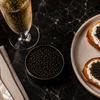
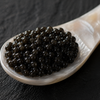
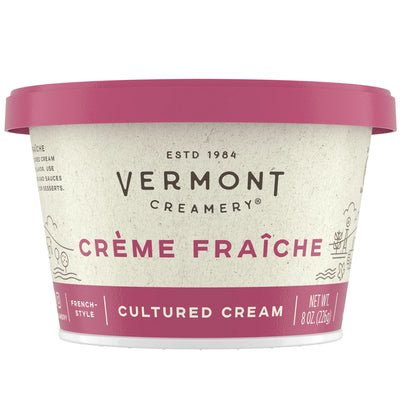
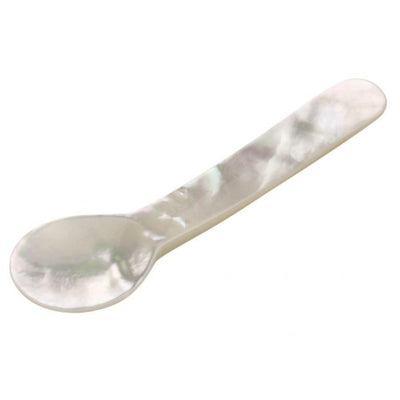
The basics apply here: serve cold, use a non-metallic spoon (mother of pearl is traditional) and keep the accompaniments simple. Blinis, lightly toasted points, a small amount of crème fraîche, and either dry champagne or ice-cold vodka. The goal is to let the roe speak without competition. For a full range of serving ideas, pairings, and recipes built around premium caviar, the Caviar Malosol recipe blog is a good place to start.
Where to Buy Kaluga Caviar Online
When buying kaluga caviar online, sourcing transparency is the first thing to look for. You want to know the sturgeon species, the farming origin, the preparation method, and the salt level. A producer that cannot answer those questions clearly is not worth the risk at this price point. Malosol preparation, lightly salted at around three percent, is the standard for premium roe, and anything significantly saltier suggests lower-grade product or a processing shortcut.
Freshness handling matters as much as sourcing. Caviar shipped without proper cold chain management loses texture and character quickly. Look for sellers who use insulated, temperature-controlled packaging and offer expedited delivery as a default rather than an option.
The River Beluga Malosol Caviar from Caviar Malosol checks both of those boxes: sustainably farmed Kaluga hybrid, Malosol cured, sourced from aquaculture operations in Eastern Asia, and shipped with freshness guaranteed. It is one of the most competitive offerings in the kaluga category available in the US market today. For a broader look at how pricing works across caviar varieties and what drives cost differences, the caviar prices explained guide covers the full picture.
The Bottom Line
Kaluga and beluga caviar belong to the same prestige category. The differences in pearl size, flavor nuance, and skin delicacy are real but subtle. The price difference is not subtle. If you are choosing between the two with a clear head, kaluga caviar gives you most of what makes the beluga tier exceptional, at a price that does not require the occasion to justify the purchase. That is a meaningful advantage for anyone who takes premium caviar seriously.
If you are new to this tier, the River Beluga Malosol is an honest, well-sourced place to start. If you are experienced and want to understand how beluga and kaluga actually compare side by side, the beluga caviar guide gives you the full context. Either way, kaluga deserves its position at this level and the market is gradually recognizing that position.