Date Night Dinner Recipes: A Full Course Meal Built Around Caviar
- Updated
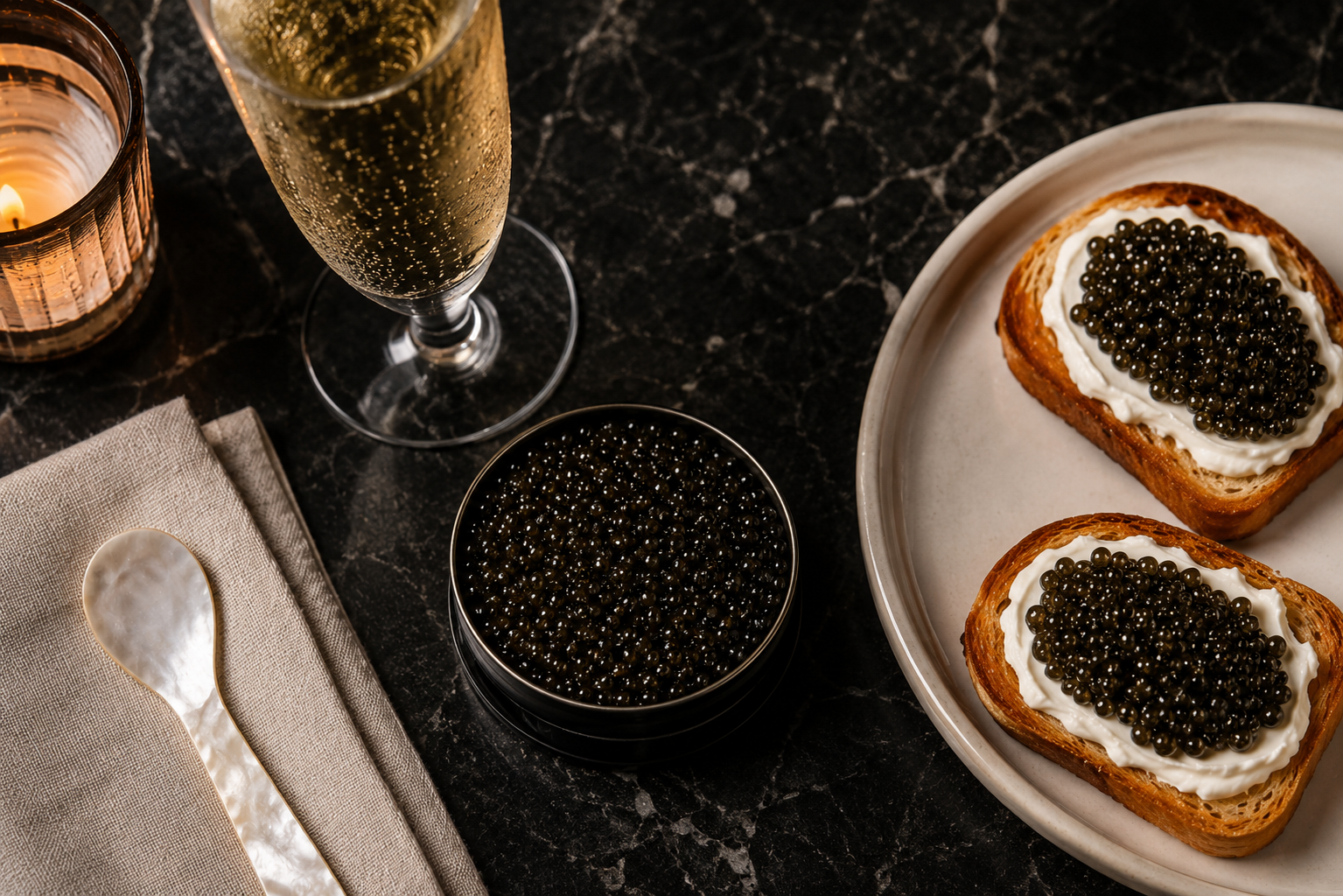
Most date night dinner recipes fall into one of two traps. They are either so simple that the meal feels ordinary, or so technically demanding that the evening becomes stressful before the first course even reaches the table. Neither serves the actual goal, which is a meal that feels special without turning the kitchen into a source of anxiety. The recipes in this guide take a different approach. Caviar runs through each course as the connecting thread, not as a garnish added at the end for visual effect, but as a genuine ingredient that shapes the flavor and feel of the entire meal. The result is date night dinner recipes that are genuinely impressive and manageable at the same time.
This is a four-course format: a starter, a soup, a pasta main, and a side. Each course stands on its own, each one features caviar in a different role, and each one connects naturally to the next. You do not need professional technique or specialized equipment. You need quality ingredients, a clear method, and the confidence to keep things simple.
What Makes a Date Night Dinner Recipe Actually Work
The difference between a memorable date night meal and a forgettable one usually comes down to three things: flow, restraint, and execution. Flow means each course feels like a natural progression from the last, not a series of unrelated dishes thrown together. Restraint means not trying to show off in every course simultaneously. If one dish is technically involved, the others should be simpler. Execution means that what lands on the table looks and tastes exactly as intended, without the cook being visibly exhausted by the time it arrives.
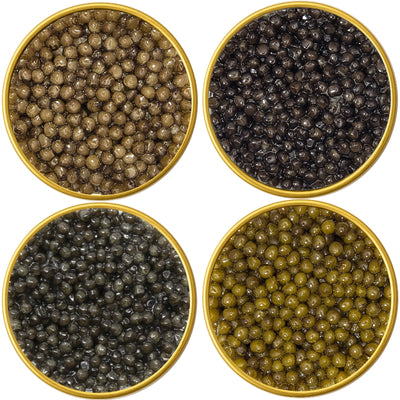
Caviar is unusually well suited to this kind of meal structure because it provides luxury without complexity. It requires almost no cooking, it works in multiple contexts from toast to pasta to a simple garnish, and its presence immediately signals that the evening is something out of the ordinary. The key is using it with intention rather than excess. One well-placed teaspoon of osetra on a pasta dish does more than a heavy-handed portion that overwhelms every other flavor on the plate.
The courses below are designed to build in intensity and richness. The starter is light and elegant. The soup is cool and delicate. The pasta is the richest and most substantial course. The side adds texture and a visual contrast that makes the full spread feel considered. Plan the whole meal in advance, prep what you can ahead of time, and trust the structure. The caviar will do the rest.
The Starter: Caviar Toast with Creme Fraiche
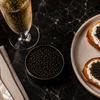
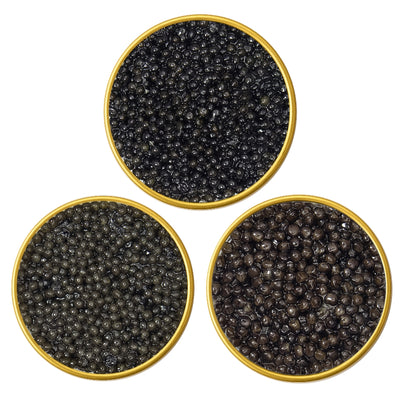
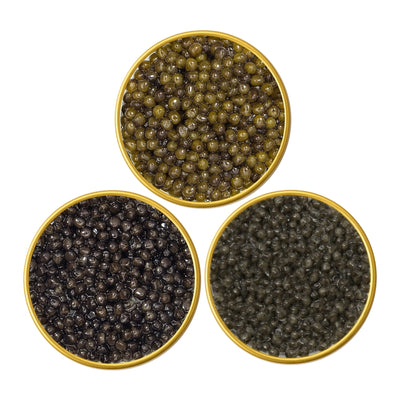
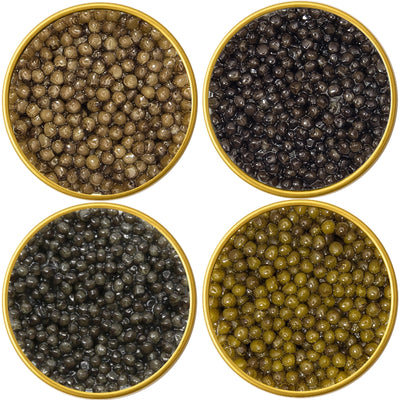
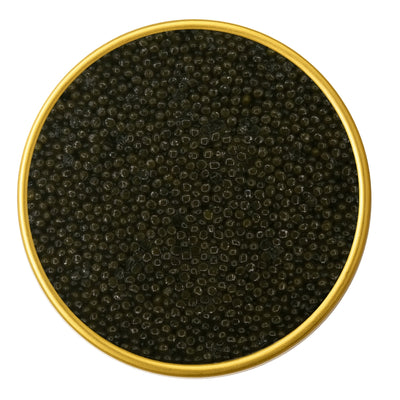
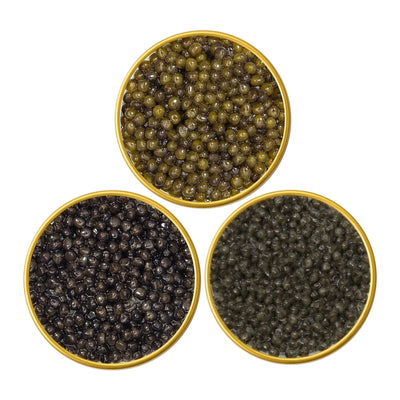
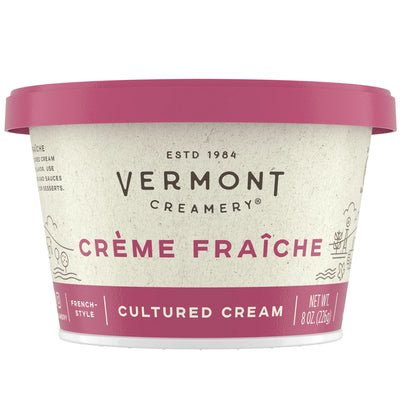
The first course should arrive quickly, require no reheating, and set a tone of effortless elegance. Caviar toast does all three. A thin slice of brioche, lightly toasted and fully cooled, spread with a thick even layer of creme fraiche and topped with a generous portion of beluga or osetra caviar. A few snipped chives finish it. That is the entire preparation. The point of this opener is not complexity; it is the immediate signal that the meal ahead is going to be something worth paying attention to.
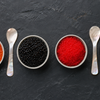
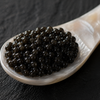
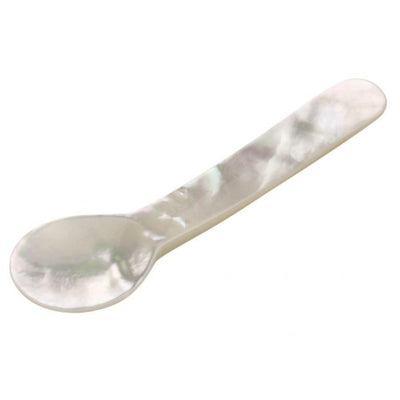
The technical notes are minimal but worth following precisely. The bread must be cooled before you apply the creme fraiche, or the base will melt and pool. The creme fraiche should be at room temperature so it spreads smoothly rather than tearing the toast. The caviar comes straight from the refrigerator and goes on last. Use a mother-of-pearl spoon to transfer it, and never metal, which introduces a faint oxidation note that alters the flavor of delicate sturgeon roe. Serve one piece per person. This is an opener, not a main event, and restraint here makes the courses that follow feel more significant by comparison.
If you want to add a second element to the plate, a small wedge of lemon zest on the rim is enough. Avoid hard-boiled egg or minced onion at this stage; those accompaniments work at a full caviar service but they compete with the flavors you want to establish in the first bite of the evening.
The Soup Course: Chilled Cucumber Bisque with Salmon Roe

A chilled soup as the second course achieves two things simultaneously: it cools the palate between the richness of the caviar toast and the butter-forward pasta that follows, and it gives you a course that requires zero active cooking on the evening itself. The entire preparation happens hours in advance. By the time your guest arrives, the soup is already in the refrigerator waiting.
Blend two English cucumbers, peeled and roughly chopped, with 200 grams of full-fat creme fraiche, a small handful of fresh dill, the juice of half a lemon, a pinch of white pepper, and a generous amount of flaked sea salt. Blend until completely smooth. Taste and adjust the salt and lemon, as the flavor will mellow slightly as it chills, so season more aggressively than you think necessary at the blending stage. Transfer to a sealed container and refrigerate for at least four hours, or overnight. The soup will thicken slightly; if it feels too dense when you serve it, thin it with a tablespoon of cold water and stir gently.
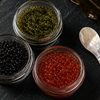
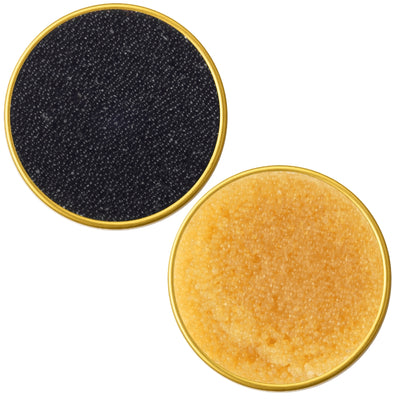
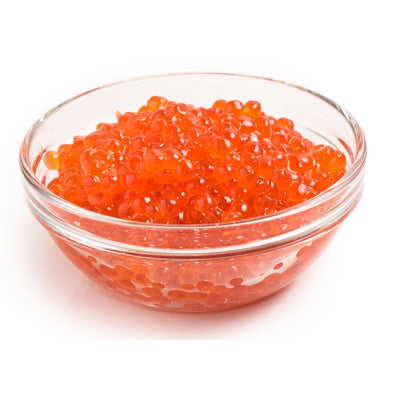
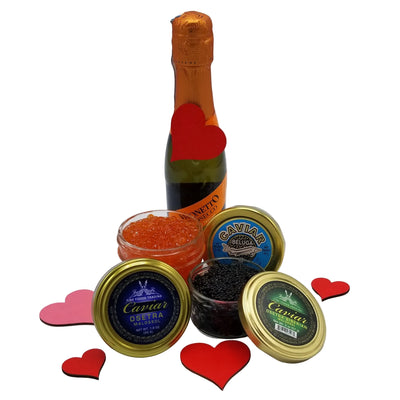
To serve, pour into chilled bowls and float one rounded teaspoon of salmon roe in the center. The orange pearls against the pale green soup create a visual effect that looks far more composed than the effort required to achieve it. A small sprig of dill alongside the roe completes the plate. The salmon roe brings a light brininess and a gentle pop of texture that contrasts cleanly with the cool, creamy bisque. This is the course where a second caviar product enters the meal naturally, and it earns its place.
The Main: Pasta with Brown Butter and Osetra Caviar

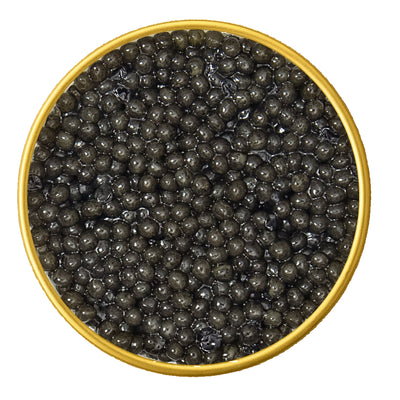
This is the centerpiece of the meal and the course where the caviar plays its most significant role. The preparation is simple: angel hair or fresh tagliolini, brown butter, a small amount of pasta water to emulsify, a squeeze of lemon, but the tableside addition of osetra caviar transforms it from a refined pasta dish into something genuinely memorable. The heat of the pasta barely warms the roe, preserving the texture of the pearls while releasing their flavor into the butter. The result is one of those combinations that tastes far more complex than the sum of its parts.
Cook 150 grams of fresh pasta per person in heavily salted water. While it cooks, brown 60 grams of unsalted butter per person in a wide pan over medium heat until the milk solids turn golden and the butter smells faintly nutty. Remove from heat immediately. Drain the pasta one minute before it is fully cooked and transfer it directly into the butter pan with a splash of pasta water. Toss over low heat for thirty seconds until the sauce coats every strand. Squeeze over a small amount of lemon, taste for salt, and plate immediately into warmed bowls.
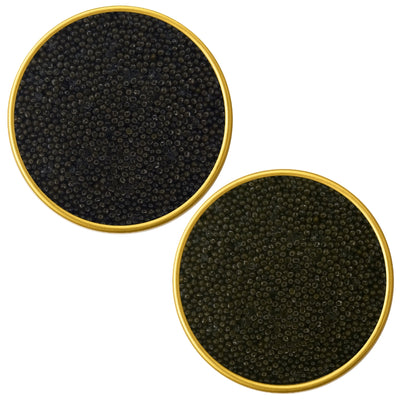
At the table, spoon one full teaspoon of osetra caviar directly over each portion. Do not do this in the kitchen; heat kills delicate roe, and the moment between plating and eating is long enough to damage it. Served tableside, the caviar sits on the warm pasta and softens gently over the first thirty seconds of the meal, releasing flavor gradually as you eat. This is one of the most elegant caviar recipes you can make at home, and it requires nothing more than good pasta, good butter, and good osetra.
The Side: Roasted Baby Potatoes with Sour Cream and Tobiko

The side course serves two functions in this meal structure. It provides a textural contrast to the pasta, providing bite and crispness after the softness of the tagliolini, and it introduces a third caviar type, tobiko, which is visually striking and adds a different flavor register than the beluga or osetra used in the earlier courses. The preparation is entirely hands-off once the potatoes are in the oven, which means this course can roast while you finish the pasta.
Halve 300 grams of baby potatoes and toss them with olive oil, flaked sea salt, and cracked black pepper. Roast at 220 degrees Celsius for 30 to 35 minutes, turning once halfway through, until the cut sides are deeply golden and the skin is crisp. Remove from the oven and allow to cool for two minutes. Arrange on a small serving board or plate. Spoon a small amount of full-fat sour cream onto each potato half, then top with a few pearls of tobiko. A few snipped chives to finish.
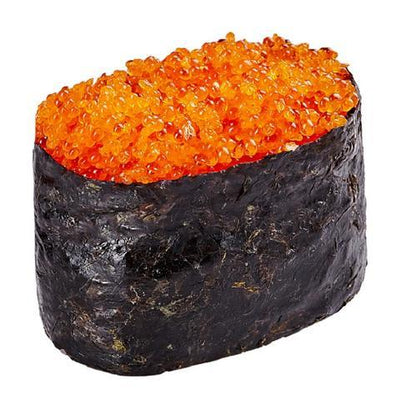
The tobiko adds crunch, color, and a clean oceanic note that plays off the richness of the sour cream and the earthiness of the potato. Its flavor is lighter and more neutral than sturgeon caviar, which is exactly what this course calls for: something that complements the pasta main without competing with it. Serve the potatoes alongside the pasta rather than as a separate course, or bring them to the table slightly before the main so guests can begin with them while the pasta is being plated.
What to Drink Across All Four Courses
The most practical approach to drinks for this meal is to choose one bottle that works across everything rather than attempting to pair each course separately. A brut champagne is the correct answer. The acidity cuts through the creme fraiche and butter, the bubbles keep the palate clean between bites, and the yeasty mineral character of good champagne runs parallel to the oceanic depth of sturgeon roe without either element overpowering the other. Open one bottle at the start and let it carry the evening.
If champagne is not the preference, a very cold, unoaked Chablis or a Premier Cru Burgundy blanc does the same work with less ceremony. Both have the acidity and restraint to pair with caviar without introducing competing flavors. For those who prefer spirits, a small pour of neutral, ice-cold vodka alongside the starter and soup is traditional and correct. It cleans the palate between bites and lets each new flavor read as fresh. Whatever you choose, serve it cold throughout. Temperature is not a detail here, it is part of the experience.
Timing the Meal So Everything Comes Together
The evening works best when the cook has done as much preparation as possible before the first guest arrives. The cucumber bisque should be made and chilled the night before or the morning of the dinner. The potatoes can be prepped and ready to go into the oven up to two hours in advance. The pasta water can be salted and brought near to boiling. The caviar should move from freezer to refrigerator four hours before service if it has been stored frozen, or from refrigerator to the table only when each course calls for it.
A workable timeline for a 7pm dinner at home: at 6pm, preheat the oven and prepare the potato tray. At 6.15pm, put the potatoes in the oven. At 6.30pm, set the table and open the champagne. At 6.45pm, plate the caviar toast and bring it to the table. At 7pm, plate the soup from the refrigerator. At 7.20pm, finish the pasta; this takes under ten minutes from start to plated. Remove the potatoes from the oven, top with sour cream and tobiko, and bring them out alongside or just before the pasta. The caviar for the pasta goes on at the table. The entire active cooking window is under twenty minutes.
This structure means you are present for most of the evening rather than isolated in the kitchen. The preparation is front-loaded. The execution is fast. The impression on the table is one of ease, which is exactly the point of romantic dinner recipes that actually work at home.
The Full Course Gourmet Experience, Made at Home

These date night dinner recipes are built around a simple premise: that caviar belongs at home as much as it belongs in a restaurant, and that a full course meal does not require professional infrastructure to feel genuinely special. What it requires is quality ingredients, a clear sequence, and the discipline to keep each course focused on one or two elements rather than trying to be everything at once. Beluga or osetra on brioche. Salmon roe on chilled bisque. Osetra in brown butter pasta. Tobiko on crispy potatoes. Each course has its own character and its own caviar. Together they build into an evening that is as impressive as anything a restaurant can offer, and more personal than any restaurant will ever be.
If you are sourcing caviar for the first time or deciding which types to buy for this meal, the caviar pricing guide breaks down what drives cost across types so you can make the right call for your budget. For storage guidance once your order arrives, the caviar storage and shelf life guide covers everything from temperature to containers to how long each type holds after opening. And for a deeper dive into why a mother-of-pearl spoon matters for every course in this meal, the caviar etiquette guide explains the logic clearly. The best fancy date night dinner recipes are not the ones that impress someone else. They are the ones you actually make.