Caviar Prices Explained: What Affects the Cost of Caviar

Caviar prices can vary dramatically, which often surprises first-time buyers. One tin may cost under a hundred dollars, while another can reach several hundred or more for the same weight. This wide range leads many people to wonder what actually drives the cost of caviar and whether higher prices always mean better quality.
The reality is that caviar pricing is influenced by multiple factors, including species, quality, origin, and how the caviar is processed and handled. Understanding these elements helps buyers make informed decisions and choose caviar that fits both their budget and expectations.
This guide breaks down caviar prices in a clear, buyer-focused way so you know what to expect before purchasing.
How Much Does Caviar Cost?
Caviar prices generally fall into three broad categories. Entry-level options are more accessible and suitable for first-time buyers. Mid-range caviar offers a balance of quality and value, while high-end caviar represents the rarest and most carefully produced selections.
As a general guideline, entry-level caviar can start in the lower price range per ounce, mid-range caviar typically costs more due to higher quality and species, and luxury caviar commands premium pricing because of rarity and long maturation times.
These ranges are not fixed, but they provide a realistic starting point for buyers who want to understand what different price levels represent.
What Determines Caviar Prices?

Caviar prices are not arbitrary. Several key factors influence how much a particular caviar costs, and understanding them helps explain why prices vary so widely.
Sturgeon Species
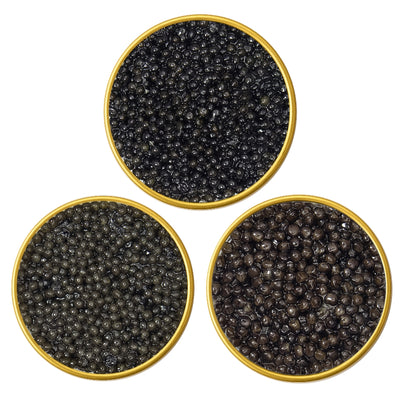
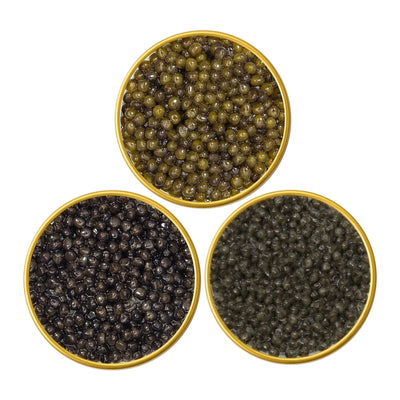
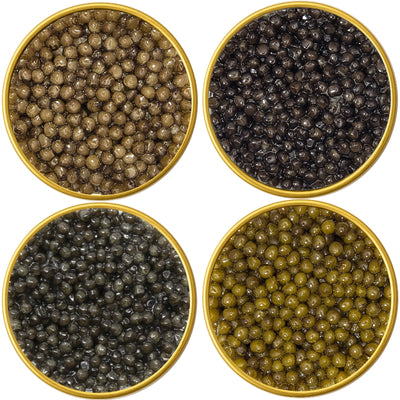
The species of sturgeon is one of the biggest drivers of caviar prices. Beluga, Osetra, and Sevruga all come from different sturgeon species with varying growth cycles and egg characteristics. Species that take longer to mature or produce larger, more delicate eggs generally command higher prices.
Quality and Grade
Quality plays a major role in pricing. Factors such as egg size, firmness, uniformity, aroma, and salt level all affect value. Malosol caviar, which is lightly salted, requires more precise handling and is often priced higher than more heavily salted alternatives.
Origin and Production Method
Caviar can be sourced from different regions and production systems. Sustainable farmed caviar has become the standard, but farming practices, water quality, and harvesting expertise still impact price. In general, producers with consistent quality control and ethical practices tend to price their caviar higher.
Processing, Storage, and Handling
Caviar is extremely sensitive to temperature and handling. Skilled harvesting, careful curing, and a reliable cold chain all add to production costs. These steps are essential for preserving texture and flavor, and they are reflected in the final price.
Typical Caviar Price Ranges by Type
While individual prices vary, the table below shows typical price ranges by caviar type to help buyers compare options more easily.
| Caviar Type | Typical Price Range (per ounce) | Why It Costs This Much | Best For |
|---|---|---|---|
| Beluga Caviar | $70 – $150 | Rare species with long maturation time and large, delicate eggs | Experienced buyers and luxury occasions |
| Osetra Caviar | $55 – $150 | Balanced rarity, firm texture, and complex flavor | Most buyers seeking premium quality |
| Sevruga Caviar | $50 – $100 | Smaller eggs with bold flavor and faster maturation | Buyers who enjoy a stronger taste |
| American Sturgeon | $50 – $70 | Sustainable farming and greater availability | First-time and value-focused buyers |
| Salmon Roe (Ikura) | $18 – $35 | More abundant species and simpler processing | Entry-level and casual use |
Pricing Disclaimer: All price ranges shown are based on listings from Caviar Malosol as of January 2026. Caviar prices may change over time due to availability, seasonality, sourcing, and market conditions. Actual prices may vary.
Why Some Caviar Is So Expensive
Some caviar commands high prices for reasons that go far beyond branding or exclusivity. One of the most significant factors is time. Certain sturgeon species take many years to mature before producing roe, which means producers invest heavily long before any caviar can be harvested.
In addition to long maturation cycles, high-end caviar requires skilled labor at every stage. Harvesting, curing, and packaging must be done with precision to preserve egg integrity, texture, and flavor. Small mistakes can compromise an entire batch, increasing production risk and cost.
Regulation and sustainability also affect pricing. Ethical farming practices, water quality management, and compliance with international standards add to operating expenses. These factors help explain why premium caviar carries a higher price tag.
Affordable Caviar Options Without Sacrificing Quality

Higher prices do not always mean better value, especially for buyers new to caviar. Many affordable options still deliver excellent texture and flavor without the cost associated with rare species.
Hybrid and American sturgeon caviar are often more accessible because the fish mature faster and are farmed sustainably. These varieties offer clean flavor and firm eggs, making them a popular choice for first-time buyers or casual occasions.
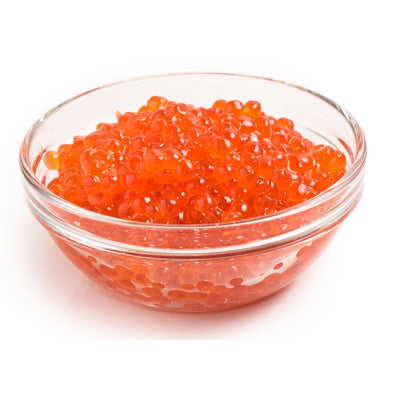
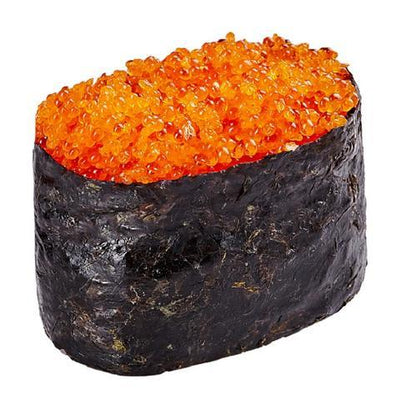
Salmon roe is another approachable option. While it differs from sturgeon caviar in texture and flavor, it provides a vibrant, briny experience at a lower price point and works well in a wide range of dishes.