Beluga Caviar: A Focused Guide to the World’s Most Coveted Roe
- Updated

Beluga caviar has a reputation that precedes it. It is widely regarded as one of the most luxurious foods in the world—rare, expensive, tightly regulated, and often misunderstood. For some, it represents the pinnacle of fine dining. For others, it raises questions about value and legality. The reality is more nuanced, and understanding how beluga caviar is produced and regulated makes all the difference.
This article explains what beluga caviar is, why it stands apart from other caviars, how to recognize quality, how to buy it responsibly, and how to store it properly so its character and value are preserved. For readers looking for a broader, more detailed look at beluga caviar—including grading standards, taste, and modern production—see our in-depth guide.
What Is Beluga Caviar?

Beluga caviar is traditionally the roe of the beluga sturgeon, the largest species of sturgeon in the world. It has long been prized for its large egg size, delicate skin, and exceptionally smooth, refined flavor.
What distinguishes beluga caviar from other varieties is not intensity, but balance. The eggs are noticeably larger and softer, with a salinity that enhances flavor rather than dominating it. Instead of sharp brine or pronounced fishiness, beluga caviar delivers a clean, creamy finish.
At its best, beluga caviar is defined by elegance, restraint, and texture.
The Beluga Sturgeon and Why Beluga Caviar Is Rare

The rarity and cost of beluga caviar begin with the beluga sturgeon itself. Native historically to the Caspian and Black Sea regions, this species grows slowly and can live for decades.
Female beluga sturgeon typically require 15 to 25 years—sometimes longer—before producing roe suitable for caviar. This extended maturation period means producers must invest decades before any harvest is possible. There are no shortcuts without sacrificing quality.
Combined with strict international regulation and conservation efforts, this long production cycle keeps beluga caviar extremely limited in supply, which directly explains its high price.
Is Beluga Caviar Legal?
When people ask whether beluga caviar is legal, they are usually asking several different questions at once: Is it legal to harvest? Is it legal to sell? And is it legal to buy and consume? Each of these has a different answer.
Harvesting: Harvesting beluga sturgeon from the wild is illegal or extremely restricted in most parts of the world. Due to severe overfishing in the past, wild beluga sturgeon populations are protected under international conservation agreements. As a result, wild-sourced beluga caviar is not legally available in commercial markets.
Production: Beluga caviar produced through regulated aquaculture is legal. These farms operate under strict controls designed to protect the species, including monitored breeding, controlled harvesting, and detailed recordkeeping.
Selling and importing: Legally produced beluga caviar may be sold and exported when it complies with international regulations governing endangered species, food safety, and traceability. This includes proper documentation identifying the sturgeon species, origin, and production method.
Purchasing and consumption: Consumers can legally buy and consume beluga caviar when it comes from a compliant, regulated source. Reputable retailers only offer products that meet these legal and regulatory requirements.
In short, beluga caviar is legal to buy and eat when it is responsibly farmed, properly documented, and sold through legitimate channels. It is not legal when sourced from wild sturgeon or sold without transparency.
What Makes Beluga Caviar Different
Beluga caviar stands apart primarily because of its texture and refinement.
The eggs are larger than those of most other sturgeon species, with a delicate outer membrane that releases flavor effortlessly on the palate. This contributes to beluga caviar’s signature smooth mouthfeel.
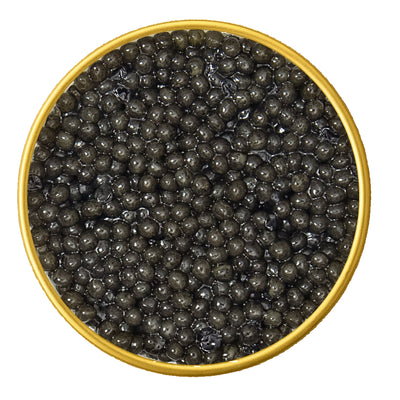
Flavor is clean and balanced, without aggressive salinity or overpowering fish notes. High-quality beluga caviar also shows excellent consistency, with uniform eggs that remain separate, glossy, and intact.
For these reasons, beluga caviar is often regarded as the reference point for luxury caviar.
Grading Standards, Flavor Profile, and Mouthfeel
Appearance and Grading

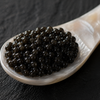
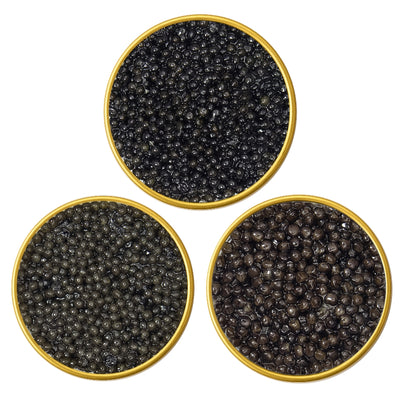
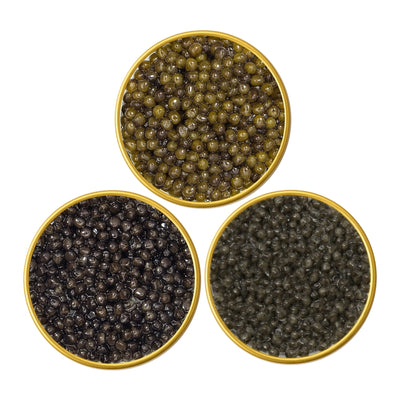
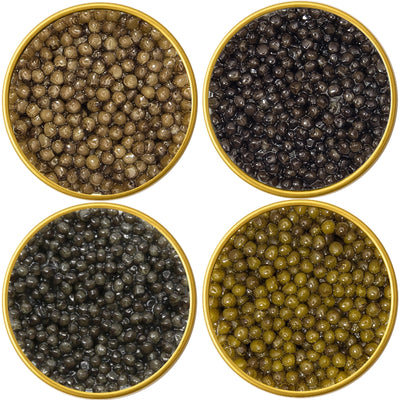
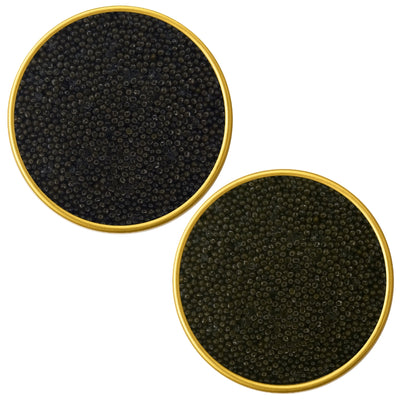
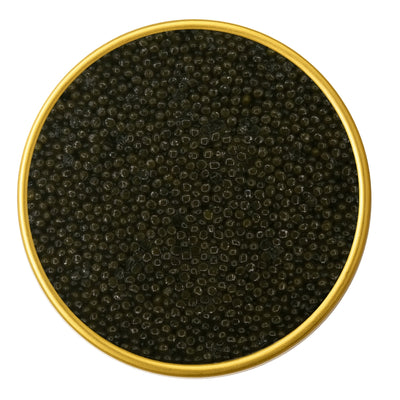
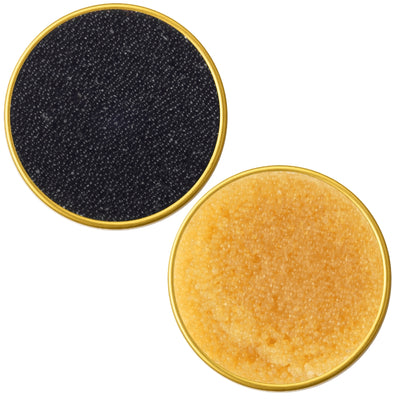
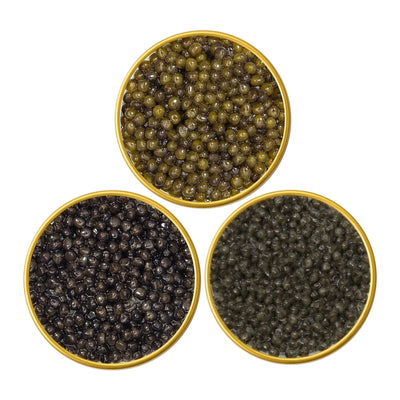
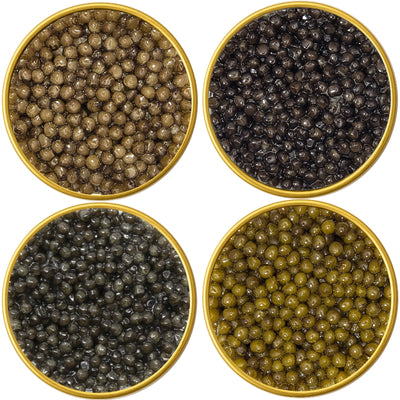
Grading focuses on visual and physical consistency. Color typically ranges from light gray to deep charcoal, though uniformity and sheen matter more than shade.
High-grade beluga caviar displays a natural gloss, firm yet delicate eggs, and clean separation. Achieving this level of consistency is rare, which is why higher grades command higher prices.
Flavor Profile
Beluga caviar is known for its buttery, creamy character with subtle nutty undertones. Salt is restrained and supportive, never overpowering. Any harsh or fishy notes indicate poor quality or improper handling.
Mouthfeel
The defining characteristic of beluga caviar is texture. The eggs should feel soft, full, and silky, bursting gently on the palate without crunch, toughness, or dryness.
How to Buy Authentic Beluga Caviar
Buying beluga caviar requires an informed approach. Because it is rare, closely regulated, and produced over many years, genuine beluga caviar commands a high price. Products offered at unusually low prices should always be approached with caution, as quality, sourcing, or compliance may be compromised.
Authentic beluga caviar is clearly labeled with essential information, including the sturgeon species, country of origin, and production method. Responsible producers and retailers prioritize transparency and proper documentation rather than relying on vague descriptions or marketing language.
For those looking to explore responsibly sourced options after understanding these considerations, our selection of beluga sturgeon caviar reflects a commitment to quality, traceability, and careful handling at every stage. You can view available options here: beluga sturgeon black caviar.
Proper Storage and Handling

Beluga caviar is exceptionally delicate, and proper storage plays a critical role in preserving its texture, flavor, and overall quality. Even the finest caviar can lose its defining characteristics if it is mishandled.
Unopened beluga caviar should be kept between -2°C and +2°C (28°F to 35°F) in the coldest part of the refrigerator. Once opened, it is best enjoyed within 24 to 48 hours. Freezing should never be attempted, as it ruptures the eggs and permanently alters texture.
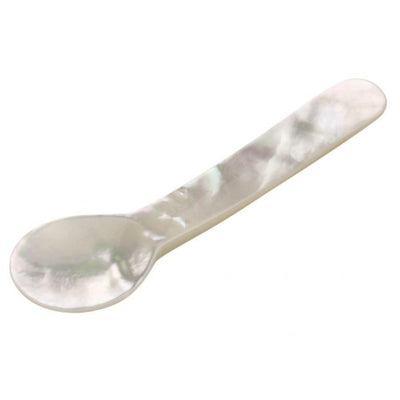
To maintain freshness, always use non-metal utensils such as mother-of-pearl or bone, and limit the time the caviar is exposed to room temperature during service.
For a more detailed explanation of best practices, including storage timelines and common mistakes to avoid, we recommend reading our in-depth guide: How to Properly Store Caviar and How Long It Will Last.
The True Value of Beluga Caviar
Beluga caviar is not about excess or intensity. Its value lies in balance, craftsmanship, and restraint. When sourced responsibly, handled properly, and served simply, it offers an experience few foods can match.
It is not intended for casual consumption, and it does not need to be. For those who appreciate precision and quality, beluga caviar fully earns its reputation as one of the world’s most refined culinary delicacies.