
Seaweed Caviar: What It Is, What It Actually Tastes Like, and When to Use It
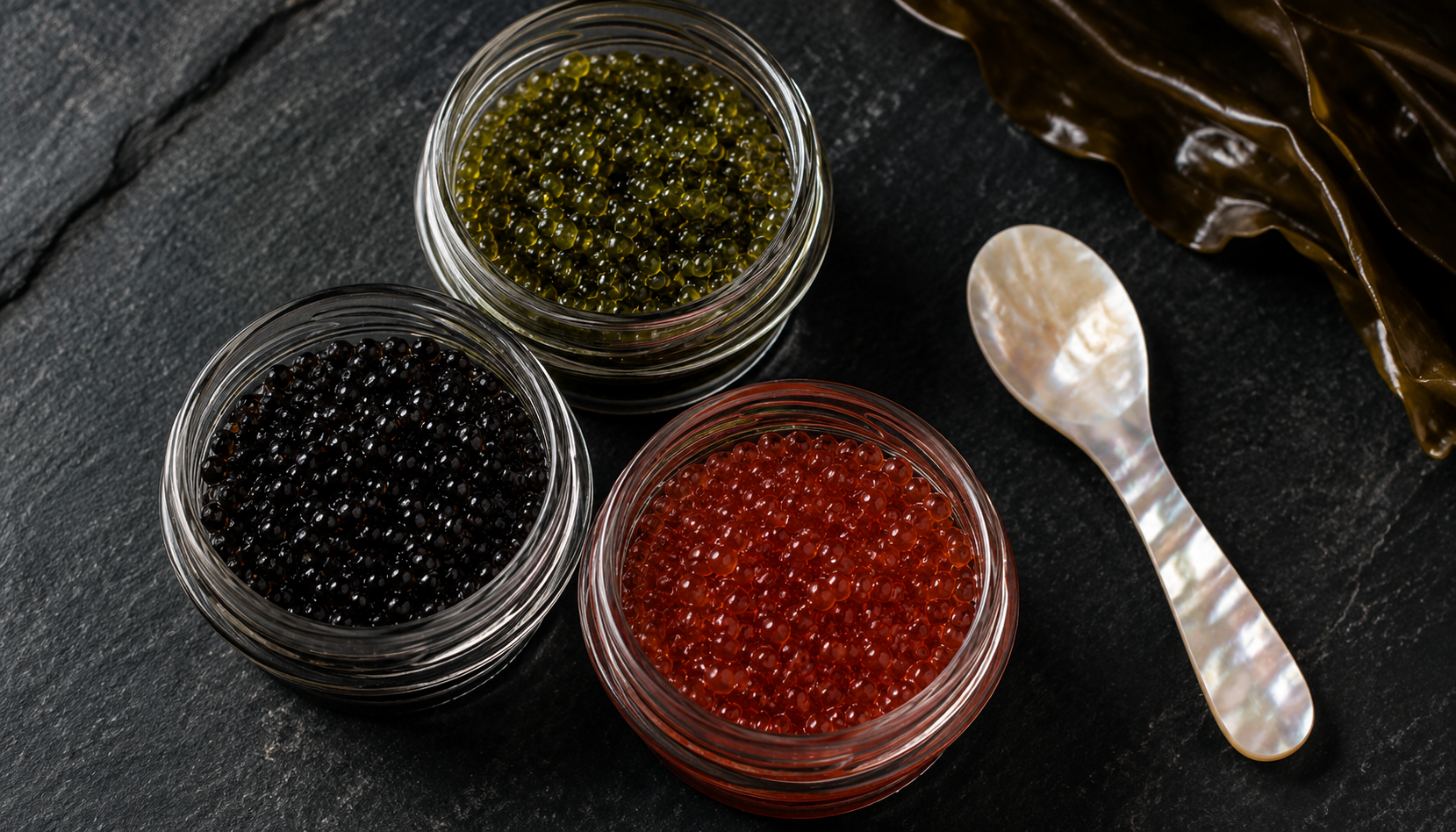
Most people encounter seaweed caviar with low expectations and leave surprised. The product has a novelty reputation that does not match what is actually in the jar. Made from kelp extract formed into small, glossy pearls, seaweed caviar delivers a real briny pop, holds its shape on a blini, and comes in three flavor profiles (wasabi, sturgeon, and salmon), each with a distinct character and a different use case. This is not a product that approximates caviar from a distance. It earns its place at the table on its own terms.
The category is narrow but growing, and for good reason. Sturgeon caviar costs anywhere from $35 to several hundred dollars per ounce depending on grade and variety. Seaweed caviar costs a fraction of that, requires no fish, and is shelf-stable until opened in a way that premium roe is not. For anyone feeding a crowd, hosting a gathering where the caviar aesthetic matters more than the provenance, or simply looking for something interesting to keep in the refrigerator, kelp caviar solves a real problem. The question is not whether to take it seriously. The question is which flavor to open first.
What Seaweed Caviar Is and How It Gets Made
Kelp is harvested, processed into an extract, and then formed into uniform spherical pearls through a technique related to spherification, the same controlled gelling process used in modernist kitchens. The result is a bead with a thin membrane that gives cleanly under pressure, releasing a burst of flavor in the same way good roe does. The kelp base is naturally oceanic and lightly mineral, which makes it a credible starting point for caviar-style flavoring. It does not taste like seaweed salad. It tastes like the ocean, concentrated and salted.
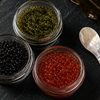
What separates a serious seaweed caviar from a gimmick is the quality of the flavorings and colorings layered over that base. The three varieties available from Caviar Malosol use natural ingredients throughout: vegetable charcoal for the black sturgeon variety, paprika extract for the red salmon, and natural wasabi flavoring for the green. The aromatics in the sturgeon flavor (pepper, dill, tarragon, leek) are the same herbs used to flavor premium cured fish. This is not accidental. The goal is a product that stands up alongside real roe on the same plate without looking or tasting like a compromise.
The one honest caveat: seaweed caviar does not taste like Osetra. Anyone who tries it expecting the mineral complexity and lingering finish of quality sturgeon roe will be comparing the wrong things. The flavor is its own: oceanic, briny, shaped by the variety's specific seasonings, and best judged on those terms. Approached that way, it is a very good product. Approached as a copy, it will always fall short of something it was never trying to be.
The Three Flavors, One at a Time
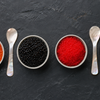
Each variety has a distinct flavor profile, a different visual identity, and a different place in the kitchen. Understanding these differences is practical rather than academic. Knowing which jar to open changes what you make with it and how the dish reads on the plate.

| Variety | Color | Flavor Profile | Heat Level | Best Used On |
|---|---|---|---|---|
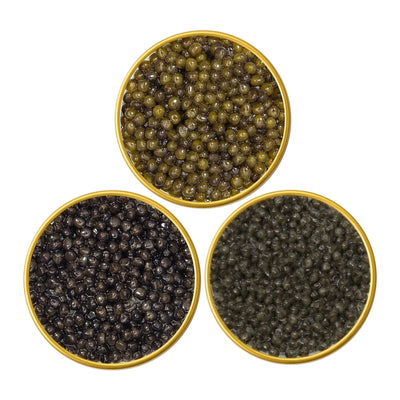
| Green (Wasabi) | Bright green | Briny, fresh, sharp | Medium | Sushi, eggs, blinis |
| Black (Sturgeon) | Deep black | Savory, herbal, oceanic | None | Blinis, eggs, fish, canapés |
| Red (Salmon) | Deep red | Mild, smooth, gentle brine | None | Eggs, dips, baked fish, sushi |
Green: Wasabi Flavor
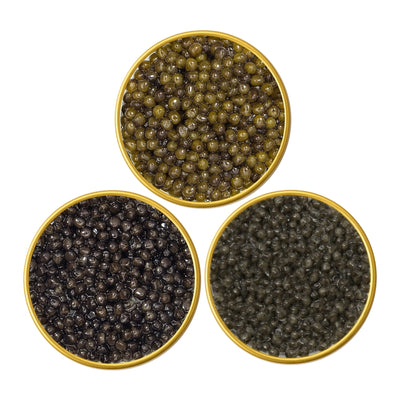
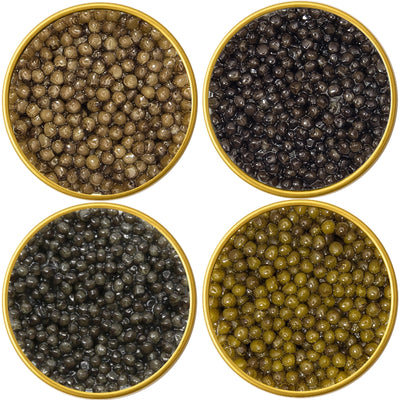
The green variety arrives on the plate with immediate visual energy. The color is bright and saturated, unmistakably wasabi, and it reads as playful rather than formal. On the tongue, it opens with a clean oceanic brine, the kelp base doing its work, and then the wasabi builds steadily behind it. The heat is real but measured. It does not spike and burn the way raw wasabi paste can. It rises, settles into a warm glow across the palate, and fades without leaving any bitterness. The finish is fresh and slightly sharp.
This flavor earns its place on sushi and anything built around Japanese flavors, where the wasabi sits naturally in the flavor framework already established by the dish. But it also does something unexpected with eggs (scrambled, soft-boiled, or deviled) where the heat creates contrast against the richness of the yolk without overwhelming it. A few pearls of green wasabi caviar on a blini with crème fraîche turn into a different dish than the same blini with black or red. Brighter. More assertive. Better suited to a crowd that wants to be surprised.
Black: Sturgeon Flavor
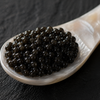
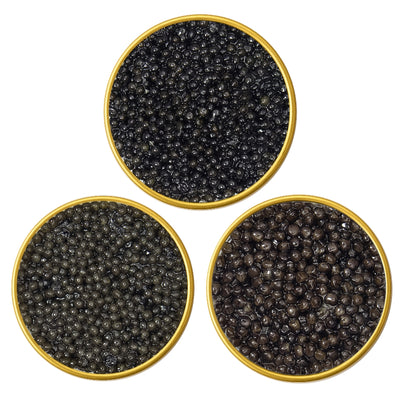
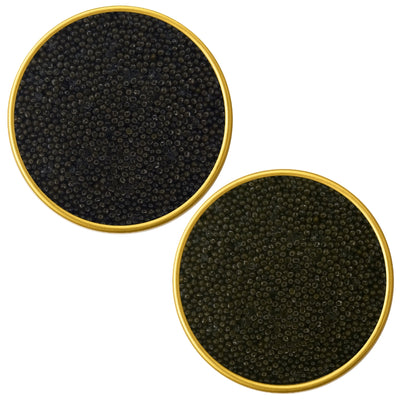
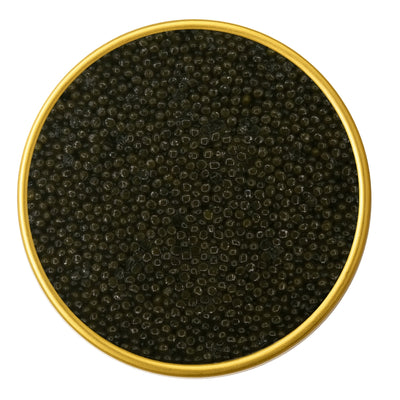
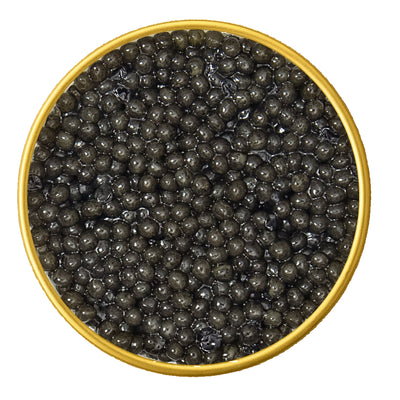
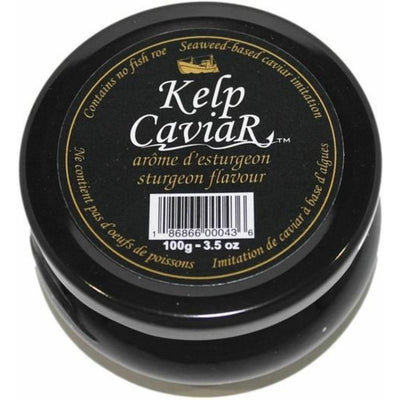
This is the one that impresses. The color is deep and near-glossy from the natural vegetable charcoal, and it looks, on a mother-of-pearl spoon, almost indistinguishable from the real thing. The flavor is savory and layered: seaweed extract as the foundation, then the aromatics (dill, tarragon, leek, pepper) building a complexity that does not announce itself all at once. It arrives briny, settles into something herbal and oceanic, and finishes cleanly without any aftertaste. The pop of the pearl is firm and satisfying.
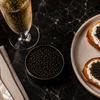
If you are hosting guests and want to serve something that looks and feels like a caviar service without the cost of opening a $200 tin of sturgeon, the black sturgeon variety is the one to reach for. Served chilled on blinis alongside crème fraîche and a set of mother-of-pearl spoons, it holds the ritual completely. People who know caviar will recognize it as seaweed-based after a moment of attention. People who are new to caviar will simply enjoy it. In either case, nothing is lost. This is also the most food-versatile of the three: it works on eggs, on fish, folded into a seafood canapé, or served straight from the jar with a clean spoon.
Red: Salmon Flavor
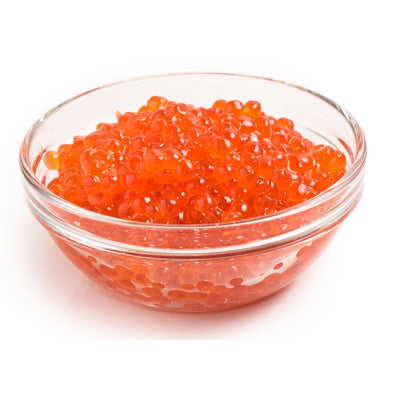
The red variety is the quietest of the three. Its color, a warm, deep red from paprika extract, is immediately familiar to anyone who has seen salmon roe on a sushi roll, and it plays that visual association intentionally. The flavor is mild and smooth: a gentle salmon note hovering over the kelp base, the brininess present but restrained, the overall impression one of softness rather than punch. There is nothing challenging about this flavor. It does not demand attention. It contributes.
That quality makes it the most useful of the three as a supporting element. Where the black sturgeon and green wasabi announce themselves, the red salmon enhances. Spooned over deviled eggs, it adds color and a light oceanic note without tilting the flavor profile. Stirred into a seafood dip, it disappears into the composition and lifts it. Placed on a piece of baked white fish as a finishing touch, it adds visual drama and a final brine without adding any competing flavor. If the black is the showpiece and the green is the conversation starter, the red is the workhorse: the one you reach for when the dish needs something and you do not want to have to explain it.

Is Seaweed Caviar Good for You?
Kelp carries a nutritional profile that most garnishes cannot match. Its most significant contribution is iodine, one of the few nutrients that is difficult to obtain in adequate amounts from a modern diet without iodized salt. Iodine is essential for thyroid function, and the thyroid governs hormone production, metabolic rate, and energy regulation. A food that delivers it naturally and in meaningful amounts is worth noting, especially for people who limit processed foods or iodized salt.
Beyond iodine, the kelp base in seaweed caviar provides calcium, iron, and antioxidants. The seaweed extract also contains polysaccharides, complex carbohydrates found in algae that research suggests may support immune function, specifically by stimulating white blood cell production. These are not extraordinary health claims. They are the documented properties of an ingredient that happens to be the foundation of this product. Seaweed caviar is also low in calories by design, which means a generous serving adds flavor and visual impact without adding significant caloric weight to a dish.
Some flavor variants in the Caviar Malosol line contain fish oil, which adds a source of omega-3 fatty acids. Omega-3s are among the most thoroughly studied nutrients in food science, with established links to cardiovascular health, anti-inflammatory response, and cognitive function. If this matters to you specifically, check the ingredient label for each flavor, as the concentration varies between the wasabi, sturgeon, and salmon varieties, and the difference is worth knowing before you buy.
Is Seaweed Caviar Vegan?
The honest answer is: it depends on the flavor, and it depends on how strict your definition is. The black sturgeon variety is the cleanest option. Its base is seaweed extract, its color comes from vegetable charcoal, its aromatics are all plant-derived. For anyone following a plant-based diet without allergen concerns, the black variety presents no issues.
The green wasabi and red salmon varieties are different. Both carry a "may contain fish" advisory on the label, which reflects the possibility of cross-contact during production rather than an intentional fish ingredient. For someone eating plant-based by preference (meaning they are avoiding fish for environmental or ethical reasons but are not managing a fish allergy), this advisory is unlikely to be disqualifying. For someone with a strict fish allergy or following a vegan diet that excludes any cross-contact risk, the black sturgeon variety is the appropriate choice and the one worth recommending to guests with those requirements.
The core ingredient across all three is kelp. No fish is deliberately used in any variant. The product is designed as a plant-based alternative, and it functions as one. The label advisory reflects manufacturing reality, not intent.
How to Serve Seaweed Caviar Well
The single most important rule: serve it cold. Seaweed caviar should come straight from the refrigerator or sit briefly on ice before serving. Heat flattens the flavor and softens the pearls, stripping the product of the two things that make it worth using: the briny pop and the firm texture. Three rules that matter every time you open a jar:
- Never add it to a hot dish. Always finish cold or at room temperature, after the heat is off.
- Use a small spoon, not a metal one. A mother-of-pearl or plastic spoon preserves the flavor. Metal reacts with the roe and flattens it.
- Less is more. Half a teaspoon per blini, a few pearls per deviled egg, a small spoonful over a plated fish. Restraint is part of the technique.
The classic starting point is blinis with crème fraîche, and it is classic because it works. A 3.5 oz jar is enough for roughly 20 to 25 small blinis with a generous spoonful each, enough to serve a gathering of eight to ten as a passed appetizer without opening a second jar. The visual contrast between the colored pearls and the pale cream is immediate and elegant. All three flavors work in this format, though the black sturgeon reads most formally and the green wasabi creates the most visual conversation. Pair with blinis and crème fraîche from the Caviar Malosol store if you want to build the service properly.
Beyond blinis, seaweed caviar works across more dishes than most people expect. The three flavors are calibrated differently, so matching the right variety to the right dish makes a real difference. Here are the pairings that work best by flavor:
- Green (Wasabi): Sushi rolls, soft-boiled or deviled eggs, cucumber rounds with cream cheese, shrimp appetizers
- Black (Sturgeon): Blinis with crème fraîche, scrambled eggs, baked or grilled white fish, seafood canapés, oysters
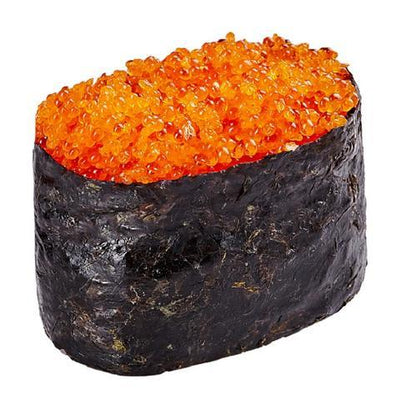
- Red (Salmon): Deviled eggs, creamy pasta as a finish, cold seafood platters, avocado toast, sushi rolls

Seaweed Caviar vs. Real Caviar: When Each One Wins
They are not substitutes for each other in any absolute sense. Quality sturgeon caviar (Osetra, Beluga hybrid, Sevruga) has a mineral complexity and a layered finish that comes from the biology of the fish, the salinity of the water it lived in, and the curing process. That depth is not reproducible from kelp. Anyone who tells you otherwise has not tasted both carefully. This is not a flaw in seaweed caviar. It is simply a different product with a different origin and a different character.
Where seaweed caviar wins, it wins clearly. The scenarios below are not edge cases; they are the situations most buyers actually face. Each one is a place where reaching for seaweed caviar over sturgeon roe is the smarter, more practical call:
- Feeding a crowd: A jar of seaweed caviar costs a fraction of what twenty servings of Osetra would cost, and the black sturgeon variety creates a presentation most guests will not immediately question.
- Plant-based diet: Seaweed caviar is the only roe-style product that looks, pops, and behaves like the real thing without any fish.
- Restaurant or catering use: At the scale needed to garnish plates consistently, sturgeon roe is cost-prohibitive. Seaweed caviar is not.
- Everyday use: Seaweed caviar is affordable enough to keep in the refrigerator and reach for on a Tuesday. A $200 tin of Osetra is not.
The comparison worth making is not seaweed caviar vs. Osetra. It is seaweed caviar vs. nothing. If the choice is between serving something that looks like caviar, pops like caviar, and delivers real briny flavor, or serving nothing in that role, the choice is obvious. That is where this product earns its place.
Where to Buy Seaweed Caviar
Seaweed caviar is not consistently stocked in grocery stores. When it does appear, the selection is usually one flavor in one size, and there is no way to know how long it has been sitting on the shelf or at what temperature it was stored. For a refrigerated product where freshness and handling matter, buying from a specialist who ships properly is the better option.
Caviar Malosol carries all three flavor varieties (wasabi green, sturgeon black, and salmon red) in glass jars with tight-sealing lids, shipped in insulated containers with ice gel packs to protect the product in transit. All three are available in the Kelp Seaweed Caviar listing. If this is your first time, start with the black sturgeon. It is the most versatile, the most visually convincing as a caviar stand-in, and the one that gives you the clearest sense of what this category can do. The green and red are worth exploring from there, each for different reasons and different occasions.
Seaweed caviar is a product that rewards curiosity. It is not trying to be something it is not. It is a well-made, plant-based, kelp-derived ingredient that pops, tastes of the sea, and earns its place on a serious table. Give it that chance and it will not disappoint.