
Is Caviar Healthy? A Complete Look at Nutrition Facts and Benefits
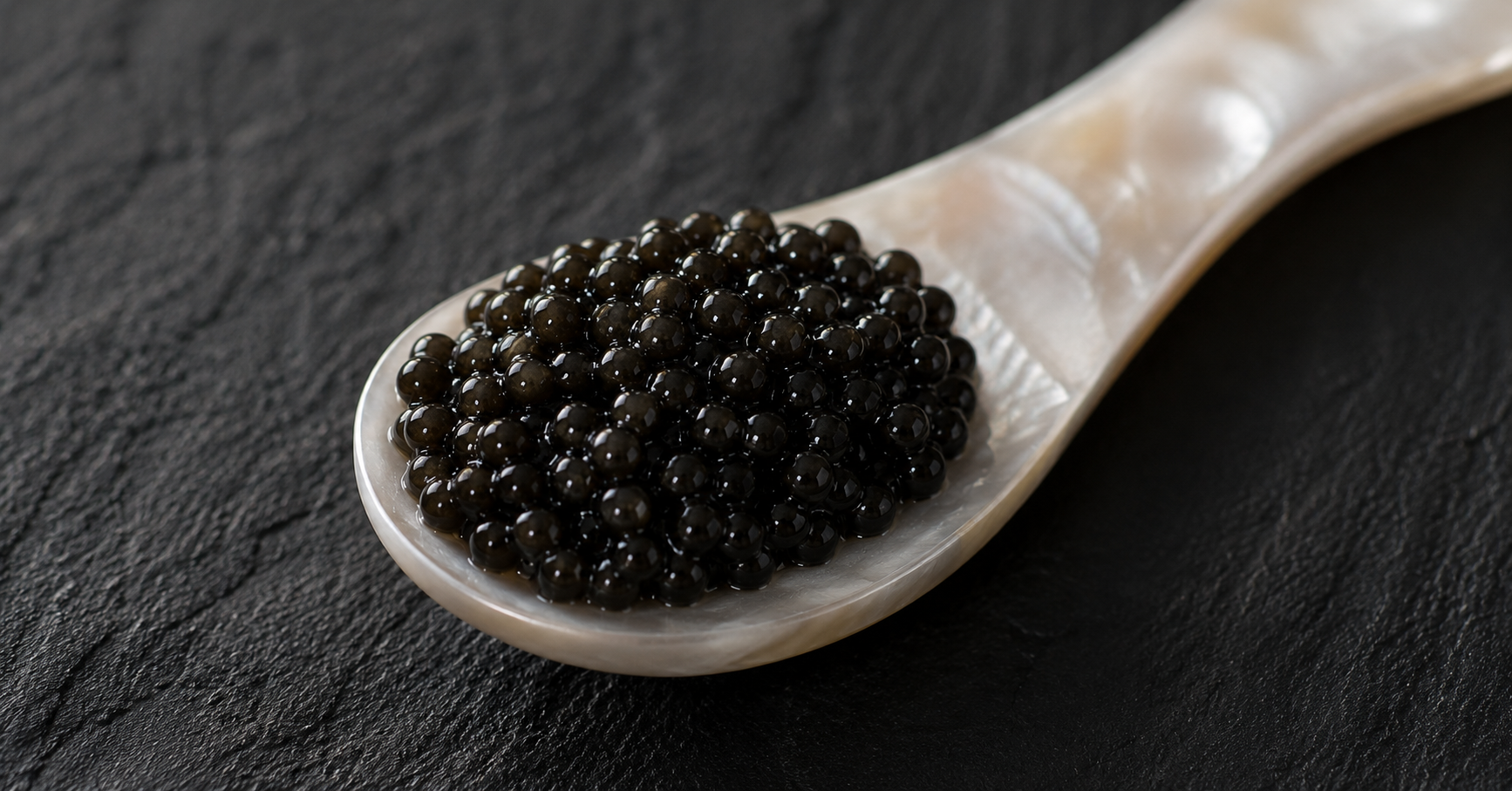
Most people think of caviar as a luxury first and a food second. The conversation tends to start and end with prestige: the rarity, the price, the occasion. What rarely comes up is the question worth asking: is caviar healthy? The answer is more substantive than the delicacy's reputation suggests. Caviar is one of the most nutrient-dense animal foods available, delivering a concentrated profile of protein, healthy fats, vitamins, and minerals in a serving smaller than most people expect. This guide walks through what caviar actually contains, what that means for your health, and how to put it in honest context.
What a Single Serving of Caviar Actually Contains
A standard serving of caviar is one ounce, or about 28 grams. That is a modest amount by any measure, roughly the size of a tablespoon and a half. Within that small portion, the nutritional density is exceptional. One ounce of caviar delivers approximately 75 calories, 7 grams of complete protein, and 5 grams of fat, the majority of which comes from unsaturated sources. There are minimal carbohydrates, no trans fats, and no added sugars of any kind.
The fat composition is where caviar becomes particularly notable. Of the 5 grams of fat in a standard serving, a substantial portion consists of omega-3 fatty acids, specifically EPA and DHA. A single ounce provides close to 2 grams of combined EPA and DHA, which is well above the 250 to 500 milligrams per day that most health authorities recommend for cardiovascular maintenance. This makes caviar one of the most concentrated natural sources of these fatty acids available in a whole food form.
Vitamin B12 deserves special mention. One ounce of caviar supplies over 200 percent of the recommended daily value for B12, making it one of the richest food sources of this nutrient on record. Beyond that, a serving contributes meaningful amounts of vitamins A, D, and E, along with minerals including selenium, iron, magnesium, phosphorus, and choline. Iron content is particularly high, covering roughly 40 percent of the daily recommended intake per ounce. For a food consumed in such small quantities, the nutritional return is genuinely unusual.
The Health Benefits of Caviar, Explained
Understanding what caviar contains is only half the picture. The more relevant question is what those nutrients actually do. The following benefits reflect the documented functions of the compounds caviar delivers in meaningful concentrations.
Cardiovascular Support
Omega-3 fatty acids, specifically EPA and DHA, are among the most extensively studied nutrients in relation to heart health. They work by reducing triglyceride levels in the blood, supporting healthy blood pressure, and limiting platelet aggregation, which is the process that contributes to arterial blockages. Caviar delivers both of these fatty acids in a bioavailable form, meaning the body can absorb and use them efficiently without additional processing. Regular consumption of EPA and DHA from whole food sources has been consistently linked to reduced cardiovascular risk across multiple long-term studies.
The absence of trans fats and the negligible carbohydrate content also make caviar compatible with dietary approaches focused on metabolic health. Unlike many high-sodium processed foods, where sodium comes packaged with refined carbohydrates and unhealthy fats, caviar's sodium arrives alongside genuinely beneficial nutrients. That does not eliminate the need for portion awareness, but it does mean the overall nutritional trade-off is more favorable than its salt content alone might suggest.
Brain Function and Cognitive Health
DHA is a structural component of brain tissue. The brain is approximately 60 percent fat by dry weight, and DHA accounts for a significant portion of that. Adequate DHA intake is associated with improved cognitive performance, better focus, and a reduced risk of age-related cognitive decline, including conditions like dementia. For people who do not eat fatty fish regularly, caviar represents a particularly efficient way to maintain adequate DHA levels without supplementation.
Vitamin B12 supports this further. B12 is essential for the maintenance of the myelin sheath, the protective coating around nerve fibers that enables fast and accurate neural signaling. Deficiency in B12 is associated with cognitive impairment, memory difficulties, and mood disturbances. Given that caviar delivers more than double the daily recommended B12 in a single ounce, it functions as a strong dietary source for supporting nervous system integrity. Choline, also present in notable quantities, plays a related role in the production of acetylcholine, a neurotransmitter involved in memory and learning.
Immune System Strength
Selenium is an antioxidant mineral that plays a direct role in immune regulation. It supports the production of selenoproteins, which protect cells from oxidative damage and help regulate the inflammatory response. Caviar is a meaningful source of selenium, and this is one of the nutrients that distinguishes it from more common protein sources. Vitamins A and D, both present in caviar, contribute additional immune support. Vitamin D in particular has been widely studied for its role in modulating immune function, and deficiency in D is associated with increased susceptibility to infection and chronic inflammatory conditions.
Vitamin A supports the integrity of mucosal surfaces, which are the body's first line of defense against pathogens, and contributes to the regulation of white blood cell activity. Together, these nutrients make caviar a food that supports immune function through multiple overlapping mechanisms rather than a single pathway. That redundancy is part of what makes whole food sources of nutrition more effective than isolated supplements for many people.
Skin and Cellular Health
The skincare industry has used caviar extract in topical products for decades, and the underlying rationale is sound. Vitamins A and E, along with the amino acids found in caviar's complete protein profile, are involved in collagen synthesis, skin elasticity, and cellular repair. Vitamin A promotes cell turnover and supports the regeneration of skin tissue, while vitamin E acts as a fat-soluble antioxidant that protects cell membranes from oxidative damage. Eating caviar delivers these compounds systemically, which is a more direct route than applying derivatives of them topically.
Omega-3 fatty acids also contribute to skin health by maintaining the integrity of the skin's lipid barrier. A compromised lipid barrier leads to dryness, sensitivity, and accelerated visible aging. Diets rich in EPA and DHA are associated with better skin hydration and reduced inflammation, including conditions like eczema and psoriasis. The nutrients in caviar that support skin health overlap substantially with those that support cardiovascular and brain health, which speaks to how interconnected the benefits of a well-rounded fatty acid and micronutrient profile tend to be.
Protein Quality and Completeness
Caviar provides a complete protein, meaning it contains all nine essential amino acids that the body cannot synthesize on its own. Seven grams of protein per ounce is a solid concentration, particularly given the small serving size. The amino acids present include lysine, arginine, isoleucine, methionine, and histidine, all of which are required for tissue repair, enzyme production, and a range of metabolic processes. For older adults focused on preserving muscle mass, or for athletes managing recovery, complete protein sources that are also low in carbohydrates are genuinely useful.
The bioavailability of caviar's protein is also high. Animal-source proteins are generally well-absorbed, and fish roe specifically has a protein structure that the body processes efficiently. This makes caviar a compact and effective protein source even at the small portions in which it is typically consumed. It is rarely the primary protein source in a meal, but its contribution is real and well-utilized.

Does Caviar's Salt Content Cancel Out the Benefits?
This is worth addressing directly. Caviar is cured in salt, and the sodium content is real. A one-ounce serving contains approximately 420 to 480 milligrams of sodium, depending on the type and curing method used. That represents roughly 18 to 20 percent of the daily recommended limit for most adults. For people managing hypertension or following a medically restricted low-sodium diet, this is a relevant consideration and portion size should be discussed with a healthcare provider.
For the general population, however, the sodium in caviar is not the problem it might appear when the numbers are viewed in isolation. The serving size matters. Caviar is consumed in small quantities, typically one to two ounces as part of a meal or tasting, not in the large portions where sodium in processed foods becomes genuinely problematic. A tablespoon of caviar on a blini is a different dietary situation than a processed meal with comparable sodium and none of the accompanying nutritional benefits. Context is everything when evaluating sodium intake.
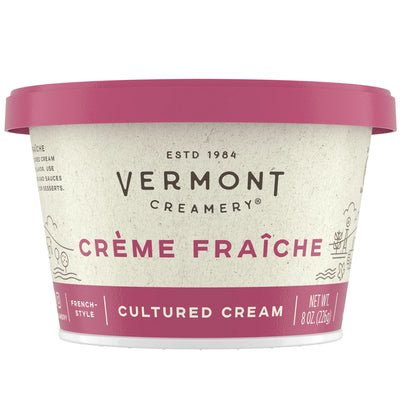
It is also worth noting that the traditional accompaniments for caviar, including blinis, creme fraiche, and lemon, are naturally low in sodium. The overall sodium load of a properly served caviar portion is manageable within a balanced diet. The key is moderation, which is how caviar has always been eaten and why the question of whether it is healthy is best answered with attention to serving size rather than a blanket warning.
How Much Caviar Should You Eat?
The standard serving recommendation for caviar is one to two ounces per person when eaten as an appetizer or standalone tasting. This is not a limitation imposed by health concerns so much as a reflection of how caviar is naturally consumed. The intensity of its flavor, the richness of its fat content, and its cost all combine to make it a food that is experienced in deliberate, moderate amounts rather than in large quantities. That self-limiting quality is part of what makes caviar compatible with a health-conscious approach to eating.
There is no established frequency guideline that applies to caviar specifically, but eating it occasionally as part of a varied diet presents no documented risk for healthy adults. The cholesterol content, at roughly 167 milligrams per ounce, is worth noting for individuals managing cholesterol levels, though current dietary guidance increasingly distinguishes between dietary cholesterol and cardiovascular risk in the way earlier guidelines did not. Most people who enjoy caviar a few times per month as a treat or accompaniment are not approaching it from a therapeutic standpoint, and that framing is appropriate. It is a nutrient-dense food that fits well within a balanced diet, not a supplement to be calibrated with clinical precision.
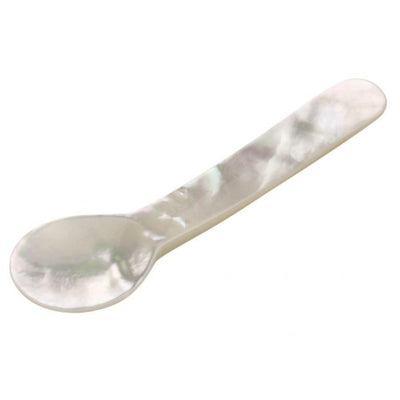
For serving ideas and pairing guidance, the caviar etiquette guide covers traditional approaches and the tools that make the experience more enjoyable. Understanding how caviar is meant to be served helps reinforce the moderation that is part of its culture by design.
Which Type of Caviar Is Most Nutritious?
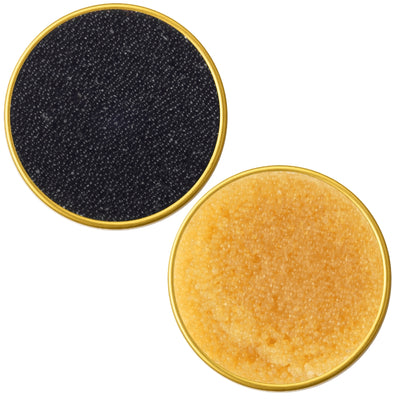
All fish roe shares a broadly similar nutritional foundation: complete protein, omega-3 fatty acids, B vitamins, and a mineral profile that includes selenium and iron. The differences between types are real but not dramatic, and the choice between them is more often a matter of flavor preference and budget than nutritional optimization. That said, there are a few distinctions worth knowing.

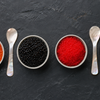
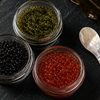
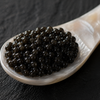
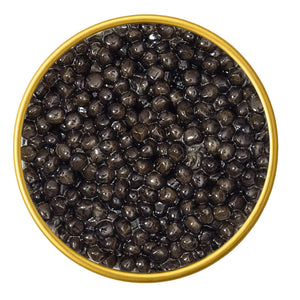
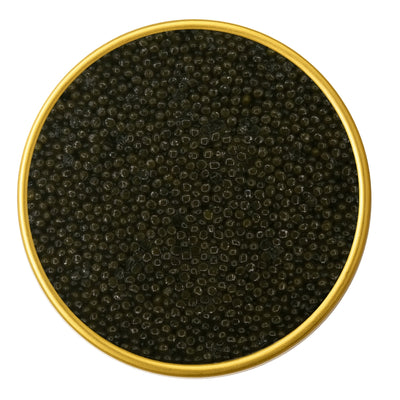
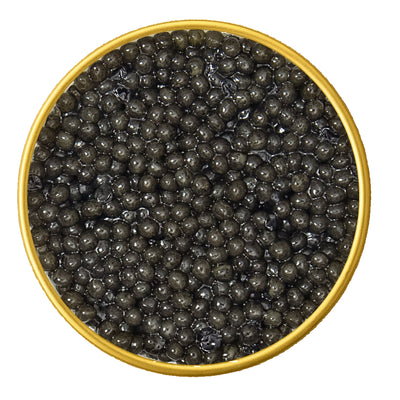
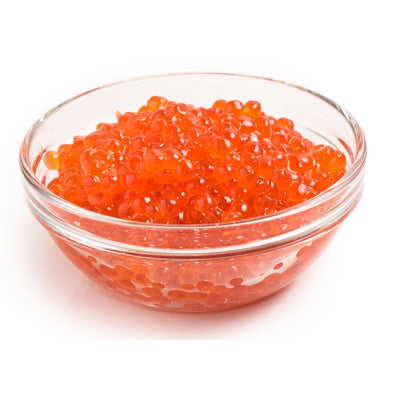
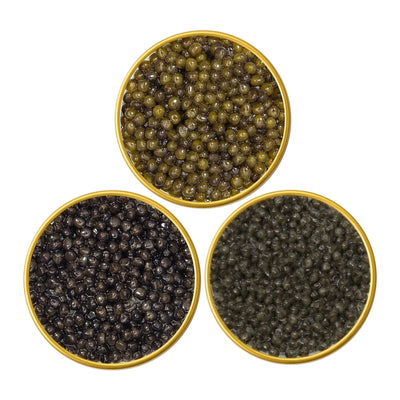
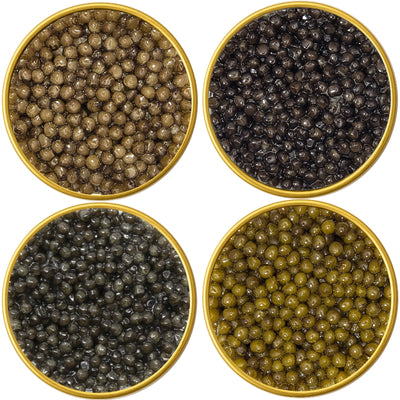
Salmon roe tends to be particularly high in omega-3 fatty acids, with EPA and DHA concentrations that are among the highest found in any fish roe. It is also rich in astaxanthin, the antioxidant pigment responsible for its orange-red color, which has its own documented anti-inflammatory properties. Salmon roe is a strong choice for anyone prioritizing omega-3 density specifically. Sturgeon caviar, including osetra and other varieties, is slightly more concentrated in protein and has a more refined mineral profile, with particularly strong selenium and vitamin B12 content. Osetra caviar is the most widely available sturgeon variety and a reliable entry point for exploring black caviar nutrition firsthand.
Pike roe sits in a middle position, with a nutritional profile that emphasizes phosphorus, iodine, and protein alongside its omega-3 content. It is a less commonly discussed option but nutritionally substantive. Pike caviar is worth considering for anyone looking to vary their roe intake beyond the more familiar categories. Across all types, the nutritional case for including roe in a balanced diet holds consistently. The variety is a matter of taste; the benefit is shared.
The Honest Answer
Is caviar healthy? Yes, genuinely, and not in the hedged way that applies to most indulgent foods. The nutritional profile is exceptional relative to serving size, and the compounds it delivers, particularly omega-3 fatty acids, vitamin B12, selenium, and complete protein, are among those most associated with long-term health outcomes in the research literature. It is not an everyday food for most people, and it is not meant to be. But within a balanced diet, caviar earns its place on the basis of what it actually contains, not just the reputation it carries.
The luxury of caviar and its nutritional value are not in conflict. They are simply two different ways of describing the same thing: a food produced with care, consumed with intention, and worth understanding properly. If you are ready to explore the range of what is available, the best sellers collection is a good place to start.