
Lumpfish Caviar: What It Is, How It Tastes, and Why It Belongs on Your Table
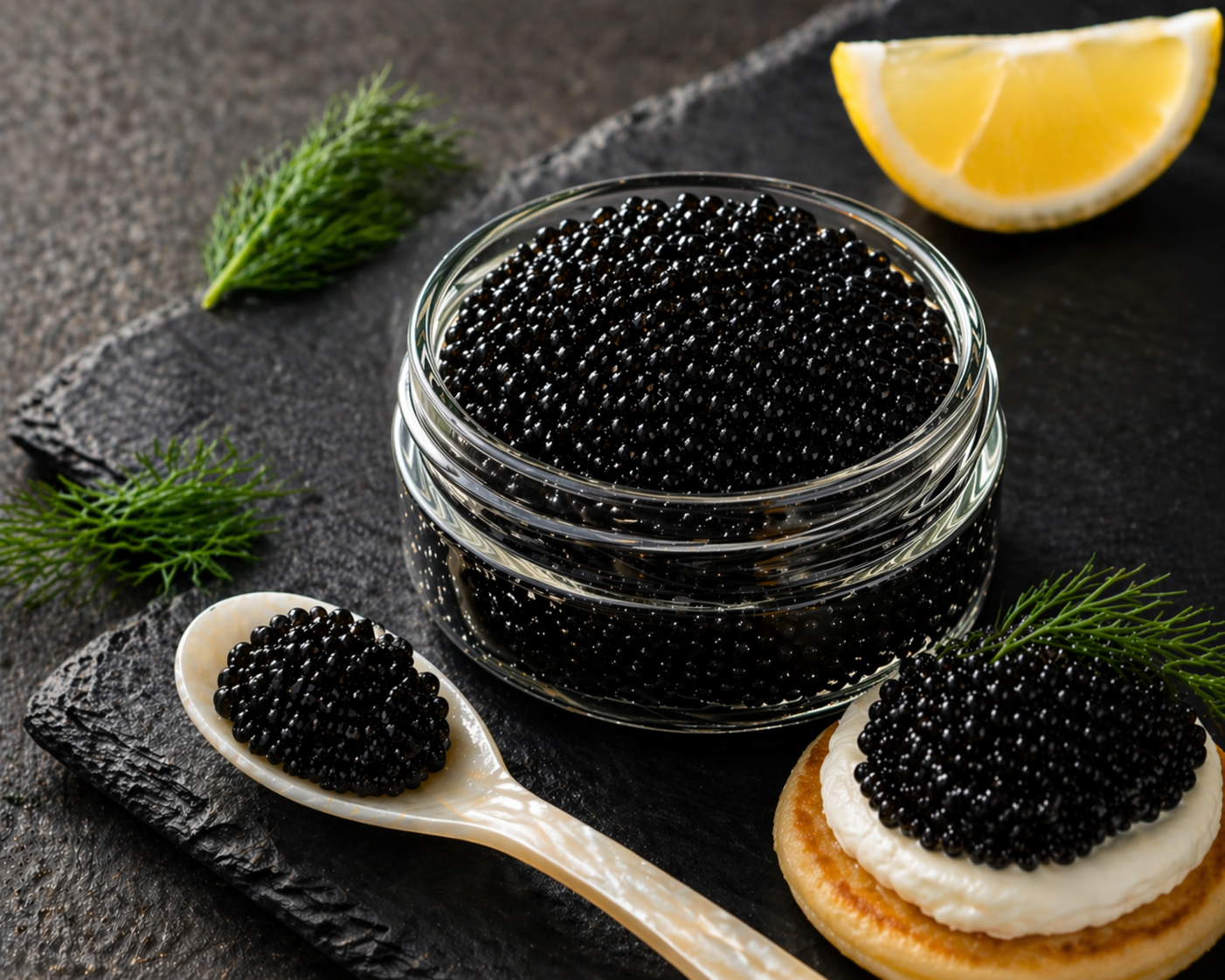
Not every caviar needs to come with a high price tag to be worth your attention. Lumpfish caviar has been a staple in European kitchens and professional catering for decades, appreciated not as a compromise but as a product with its own distinct character. If you have seen those small black or red jars in specialty stores and wondered what they actually taste like and whether they are worth buying, this guide answers all of it.
Lumpfish caviar is made from the roe of the lumpfish, a stocky saltwater fish found primarily in the cold waters of the North Atlantic. The roe is small, firm, and consistently round, with a color that ranges from deep black to bright red depending on how it has been processed and dyed. It is one of the most widely available types of caviar in the world, and when treated properly, it delivers a satisfying briny experience that punches well above its price.
This guide covers everything you need to know: where lumpfish roe comes from, what it tastes like, how to use it, its nutritional profile, and how it honestly compares to more expensive sturgeon caviar. By the end, you will have a clear sense of whether lumpfish caviar belongs in your kitchen, on your table, or in your next gathering spread.
What Is Lumpfish Caviar?
The lumpfish, known scientifically as Cyclopterus lumpus, is a bottom-dwelling fish that inhabits the cold, deep waters of the North Atlantic Ocean. It is found off the coasts of Iceland, Norway, Canada, and the northeastern United States. The fish itself is not eaten commercially, but its roe has been harvested and salted for well over a century, making lumpfish one of the oldest commercially available caviar sources in Western markets.
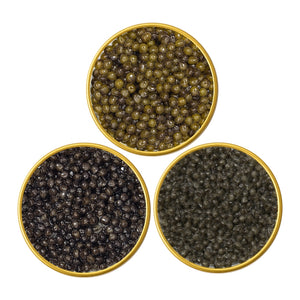
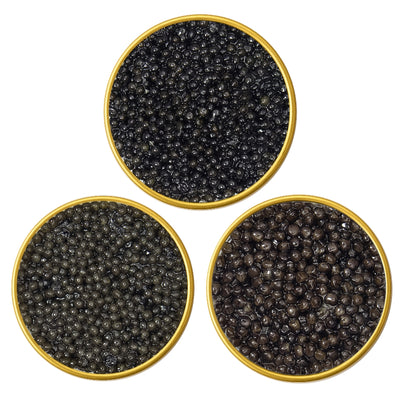
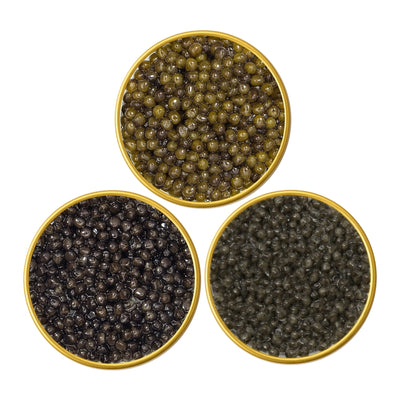
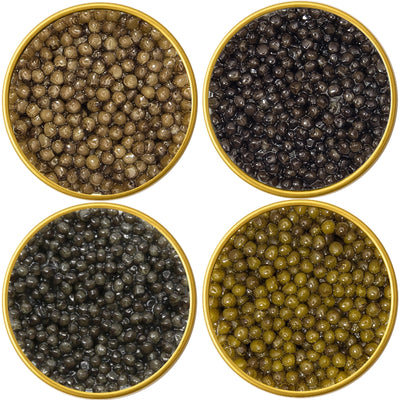
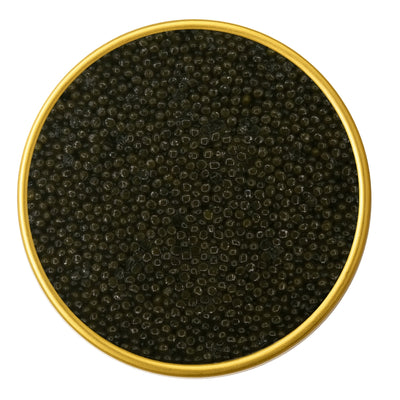
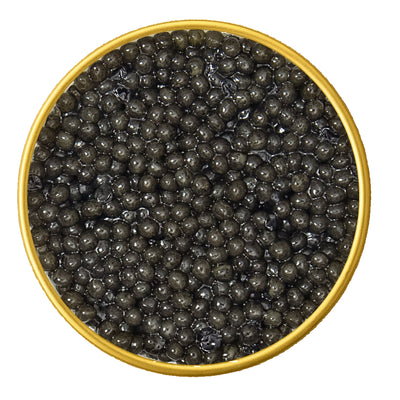
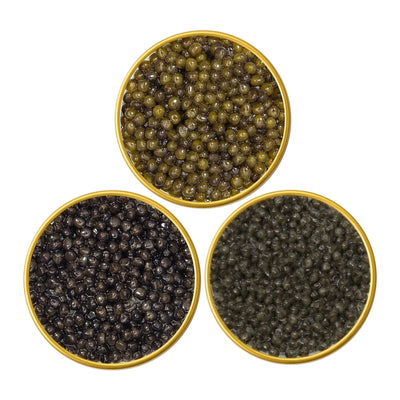
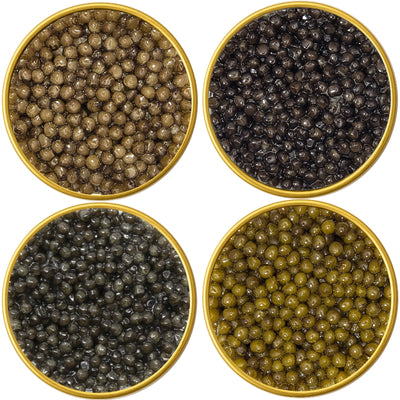
The eggs are small, typically one to two millimeters in diameter, and naturally range in color from pale gray to pale yellow. After harvesting, they are rinsed, salted, and almost always dyed to achieve a consistent commercial color. Black lumpfish caviar is the most common, followed by red, which provides a striking visual contrast when used as a garnish. The dyeing process is standard practice and has no effect on flavor or nutritional value. What you are tasting is real fish roe, properly cured, with a flavor shaped entirely by salt, cold water, and the natural oils of the egg.
It is worth understanding what lumpfish caviar actually is before comparing it to anything else. It is not imitation caviar, not fish paste, and not a manufactured substitute. It is genuine roe from a real fish, processed and preserved in the same fundamental way as all traditional caviar: with salt. That distinction matters when you are deciding how to use it and how to think about its value.
What Does Lumpfish Caviar Taste Like?
Lumpfish caviar has a bold, briny flavor with a firm pop when the eggs meet the palate. The saltiness is pronounced and upfront, more assertive than the subtle, butter-edged flavor of high-grade sturgeon caviar. There is a clean oceanic quality to it, a reminder of cold saltwater, and the finish is savory without being fishy in the unpleasant sense. If you have eaten good tinned fish or cured herring, you already have a frame of reference for the kind of clean salinity lumpfish delivers.
The texture is one of lumpfish caviar's more appealing qualities. The eggs are firm and hold their shape well, whether spooned onto a blini, pressed into a deviled egg, or arranged on a cracker. They do not dissolve or turn mushy at room temperature quickly, which makes them practical for entertaining. The pop is satisfying and consistent, and the small bead size means they distribute evenly across a bite without overwhelming it.
The flavor is best described as straightforward and honest. There is no nuttiness, no creamy finish, and none of the complex layering that distinguishes premium osetra or beluga. What lumpfish caviar offers instead is clarity: a direct, clean expression of salt and sea that works particularly well as an accent rather than a centerpiece. It is bold enough to hold its own on a cracker with crème fraîche, assertive enough to add definition to a simple pasta, and salty enough that a small amount goes a long way.
Black vs. Red Lumpfish Caviar
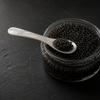
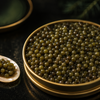
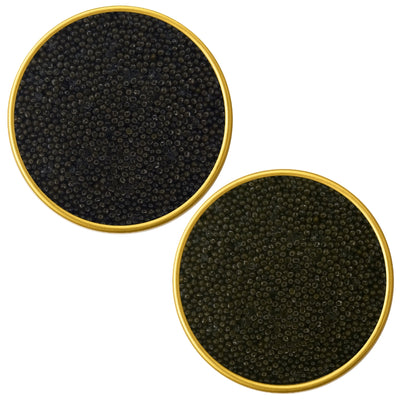
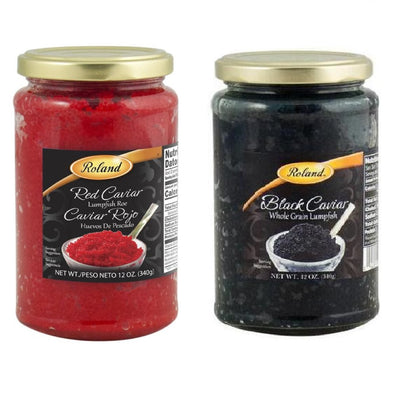
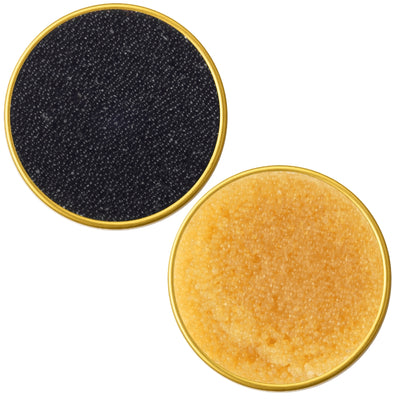
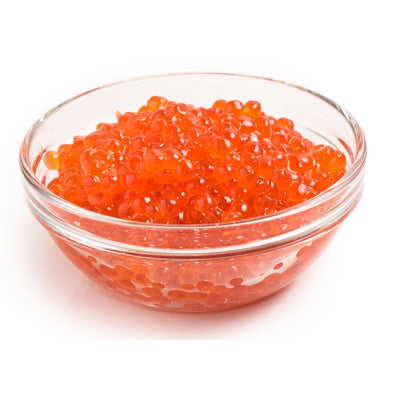
Both black and red lumpfish caviar come from the same fish and share the same base flavor profile. The difference is visual rather than culinary. Black lumpfish caviar is the standard, dyed with approved food coloring to achieve a consistent deep black color, which makes it visually similar to premium sturgeon varieties and lends itself to elegant presentation. Red lumpfish caviar is dyed to a bright coral-red shade that reads as bold and festive, making it a natural choice for holiday tables, sushi garnishes, or any occasion where visual contrast matters.

In terms of taste, the two are essentially identical. Some tasters detect a very slight difference, but it is negligible in practice. The choice between them is primarily aesthetic. Black is classic and versatile; red is vivid and attention-grabbing. Many cooks keep both on hand for different applications, since the price difference between them is minimal and the visual impact of alternating colors on a spread or canapé tray is considerable.
How to Eat Lumpfish Caviar
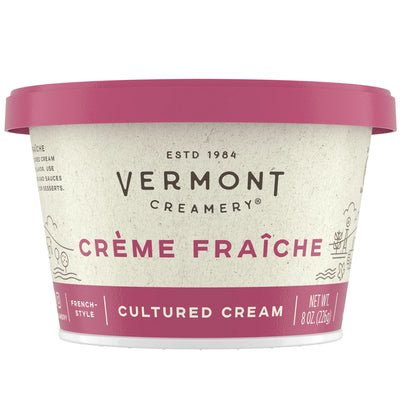
Lumpfish caviar is versatile in a way that more delicate sturgeon varieties are not. Because its flavor is assertive and its texture holds up well, it can be used in a wider range of applications without losing its character. The most classic presentation is on a small blini or toast point with crème fraîche or sour cream, which tempers the saltiness and provides a creamy counterpoint to the firm, briny eggs. A squeeze of lemon and a few chives complete the picture.
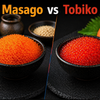
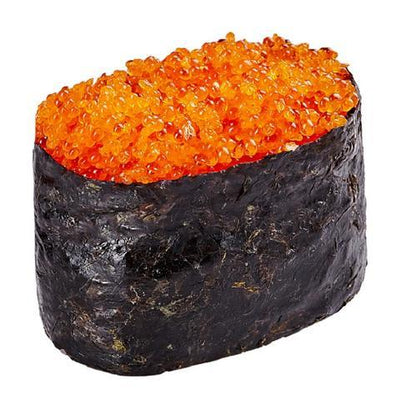
Beyond the classic preparation, lumpfish caviar works well as a garnish for deviled eggs, where the salt and visual contrast make an immediate impression. It is a natural topping for simple pasta dishes dressed in butter or cream, where a small spoonful at the end adds both salinity and texture. It appears frequently in sushi and fusion cuisine, often in place of tobiko or masago when a stronger flavor is desired. For entertaining, a simple spread of crackers, thinly sliced cucumber, cream cheese, and lumpfish caviar requires almost no effort and consistently draws attention.
One practical note: lumpfish caviar is salty by design, so the goal when building a dish around it is balance rather than addition. Pair it with something rich, something creamy, or something starchy to create contrast. Avoid adding extra salt to any dish that includes lumpfish roe. The eggs themselves carry more than enough seasoning, and respecting that balance is how you get the best out of them.
For a full breakdown of how to serve and present caviar at home, the caviar basics guide covers the fundamentals in detail, from proper temperature to serving tools.
Is Lumpfish Caviar Good for You?
Lumpfish caviar is a genuinely nutritious food. Like all fish roe, it is dense in protein, omega-3 fatty acids, and several key micronutrients, making it more than just a garnish from a nutritional standpoint. A small serving provides a meaningful amount of vitamin B12, which supports neurological function and energy metabolism. It also contains vitamin D, selenium, and phosphorus, all of which play important roles in immune function, bone health, and cellular repair.
The omega-3 fatty acid content is one of the more compelling aspects of lumpfish roe's nutritional profile. These essential fatty acids, primarily EPA and DHA, are associated with cardiovascular health, reduced inflammation, and cognitive function. Because roe is essentially concentrated fish oil in a whole-food form, the bioavailability of these fats is high, meaning the body absorbs and uses them efficiently. A tablespoon of lumpfish caviar provides a notable omega-3 contribution without requiring supplementation.
The primary consideration with lumpfish caviar is sodium. It is a cured product, and salt is central to both its preservation and its flavor. For most people eating it in reasonable quantities as part of a varied diet, this is not a concern. Those monitoring sodium intake should treat it as a condiment rather than a main ingredient and account for its contribution when planning a meal. As a finishing element used in small amounts, lumpfish caviar adds real nutritional value while keeping sodium totals manageable.
Lumpfish Caviar vs. Sturgeon Caviar: An Honest Comparison
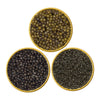
The honest comparison between lumpfish caviar and sturgeon caviar starts with acknowledging that they are different products made for different purposes. Sturgeon caviar, whether osetra, sevruga, or beluga, is a luxury product defined by its complexity. The best sturgeon roe has a layered flavor profile, a delicate buttery finish, and a bead quality that takes years of farming and significant expertise to produce. Its price reflects genuine rarity, labor, and the slow biological timeline of the sturgeon itself.
Lumpfish caviar does not replicate that experience, and it does not try to. What it offers instead is access: a genuine caviar product, made from real fish roe, that delivers a satisfying briny flavor at a fraction of the cost. For everyday cooking, casual entertaining, or anyone exploring caviar for the first time, lumpfish is an excellent starting point. It teaches you how caviar behaves in a dish, how to pair it, and how much you actually need per serving, all without the pressure of spending significantly on something unfamiliar.
There is also a practical case to be made for lumpfish caviar as a kitchen staple. Sturgeon caviar is best experienced simply, served cold with minimal accompaniment, because complexity is the point. Lumpfish caviar is durable enough to fold into cooked preparations, garnish finished dishes, and hold up in presentations where it will sit at room temperature for a period. It plays a different role, and that role is genuinely useful. For those who want to explore more premium options alongside it, the affordable caviar guide covers the full range of options across price points.
Roland Lumpfish Caviar: What to Know
Roland is one of the most recognized brands for lumpfish caviar in the United States, and for good reason. Their whole-grain lumpfish roe is consistently produced, cleanly flavored, and widely available, making it a reliable choice for anyone who wants a dependable product without searching for specialty suppliers. The whole-grain designation means the eggs are intact rather than broken or pasty, which matters for both texture and presentation.
Roland lumpfish caviar is available in black, and the small two-ounce jar is well-suited to most casual uses. It is a pasteurized product, which extends shelf life and makes it practical to keep in the pantry before opening. Once opened, it should be refrigerated and used within a week for best quality. The flavor is straightforwardly briny and well-salted, consistent across batches, and performs reliably whether you are topping a blini or garnishing a composed dish.
For those who want to explore a broader selection of lumpfish caviar options, including different sizes and formats, the range available covers both the Roland classic and other quality lumpfish roes suited to different uses and budgets.
How to Store Lumpfish Caviar
Unopened lumpfish caviar in a sealed jar can be stored in the refrigerator for several months, often up to a year depending on the brand and processing method. The label will carry a best-by date that serves as the clearest guide. Keep the jar in the coldest part of the refrigerator, ideally at a temperature between 28 and 32 degrees Fahrenheit, which is standard in the back of most home refrigerators.
Once opened, lumpfish caviar should be consumed within five to seven days. Keep it tightly sealed and refrigerated at all times after opening. Unlike sturgeon caviar, lumpfish roe does not suffer dramatically from a brief period at room temperature during service, but it should not be left out for extended periods. If the eggs develop an off smell, a mushy texture, or visible discoloration, discard the remainder. A fresh jar should smell cleanly of salt and sea, and the eggs should be firm and glossy.
Freezing lumpfish caviar is not generally recommended, as the freeze-thaw cycle tends to break down the egg membrane and compromise texture. The shelf life of an unopened jar is long enough that freezing is rarely necessary. Buy what you will use within a reasonable window and keep it cold.
Where to Buy Lumpfish Caviar
Lumpfish caviar is more accessible than most caviar products, available in many specialty grocery stores, well-stocked supermarkets, and online. Buying online gives you access to a wider selection of quality levels, jar sizes, and product types than most physical retailers carry. It also allows you to compare whole-grain versus broken-grain products, different brands, and black versus red options side by side.
The Roland whole-grain lumpfish caviar is a solid starting point for anyone new to lumpfish roe. It is consistent, well-priced, and delivers exactly what it promises. For those who want to build out a broader caviar collection or explore how lumpfish fits alongside other roe varieties, browsing our full lumpfish caviar selection is the easiest way to see what is currently available.
Lumpfish caviar is not a luxury item that requires special occasions or careful rationing. It is a versatile, nutritious, and genuinely enjoyable product that deserves a regular place in the kitchen. Once you have a jar open, you will find uses for it quickly.