What is Caviar Malosol?
- Updated
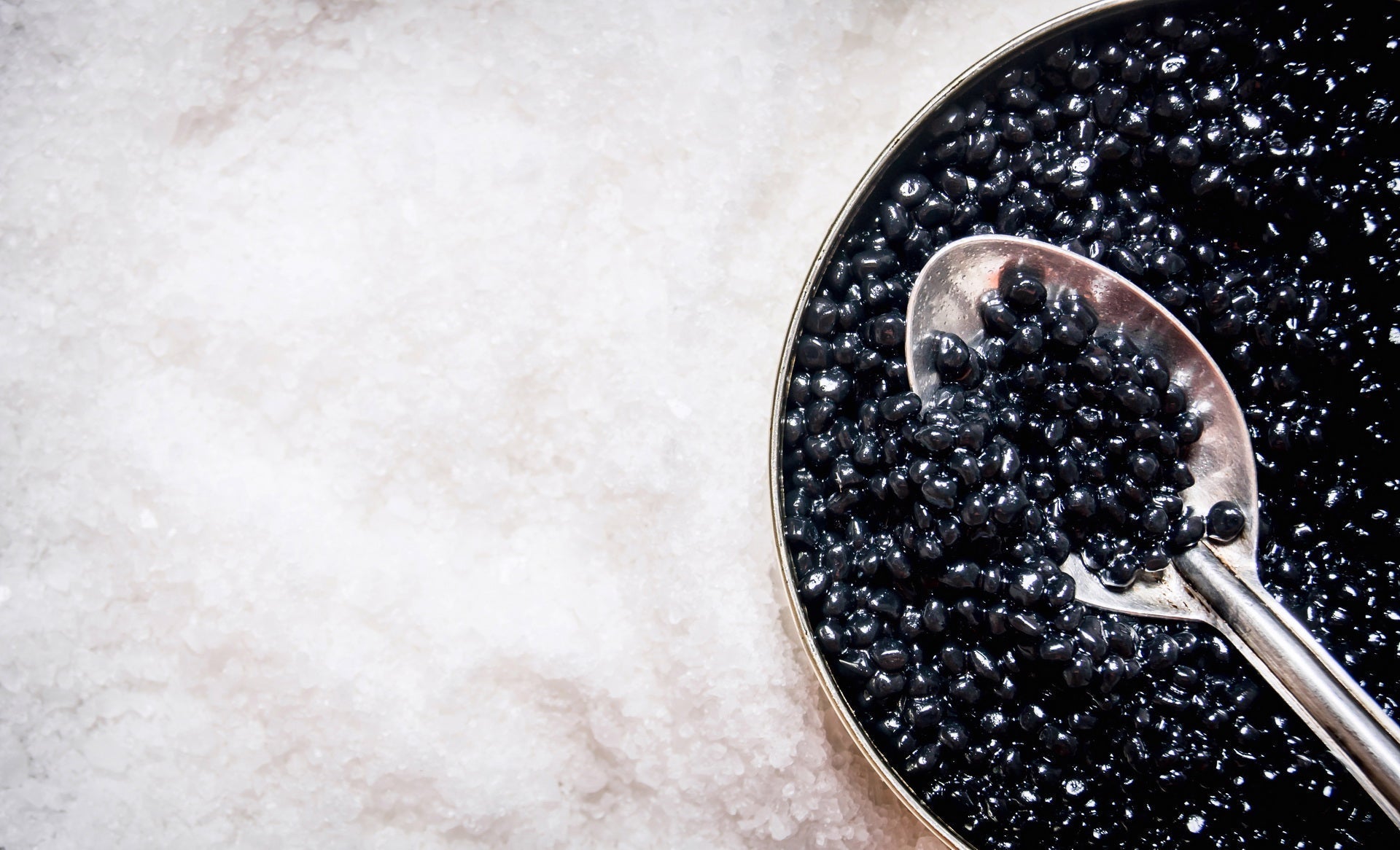
Caviar has long been associated with luxury, rarity, and refinement. Yet even experienced buyers often encounter confusion when labels introduce unfamiliar terms. One of the most commonly misunderstood is malosol, a word frequently seen on premium tins and high-end brands.
Caviar malosol is lightly salted caviar. What distinguishes it is not the salt level alone, but how that salt is applied through careful technique, precise control, and long-established tradition. Understanding what malosol truly means helps clarify why the term is closely associated with quality and why it continues to be used by reputable producers.
What “Malosol” Means in Practice
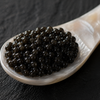
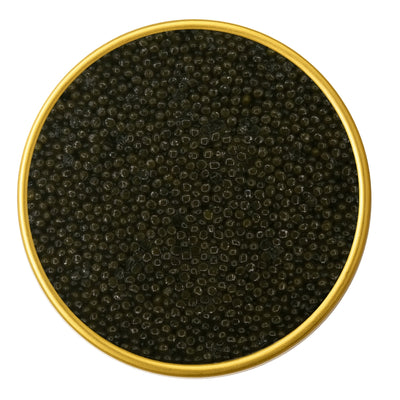
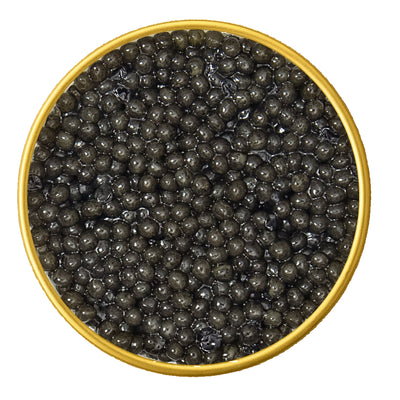
In practice, malosol refers to a method of curing caviar using the minimum amount of salt necessary to preserve freshness while maintaining the natural qualities of the roe. Properly prepared caviar malosol remains firm yet delicate, with glossy, well-separated eggs and a clean, refined flavor. The salt enhances the roe rather than masking it, resulting in a subtly briny profile instead of aggressive salinity.
Salt plays two essential roles in caviar production: preservation and flavor balance. Using too little salt increases the risk of spoilage, while excessive salt overwhelms the character of the roe and alters its structure. Malosol curing represents a precise balance between these two extremes, allowing the roe to retain its integrity without sacrificing stability.
Achieving this balance requires experience, precise measurements, and careful handling from harvest to tin. Even small deviations in salting or temperature control can affect texture, shelf life, and flavor. For this reason, malosol curing is considered a technical craft rather than a casual reduction in salt, and it is closely associated with higher-quality sturgeon caviar.
The term malosol originates from the Russian phrase мало соль, which translates to “little salt.” In its original form, the word is pronounced with a single “s” sound and refers specifically to a lightly salted curing approach. As the term spread beyond Russia and entered Western European markets, particularly through French influence, alternative spellings began to appear. The double-“s” form malossol emerged largely as a transliteration choice intended to guide pronunciation, even though the meaning of the term remained unchanged.
What Can Be Called Caviar, and Why Malosol Applies Only to It

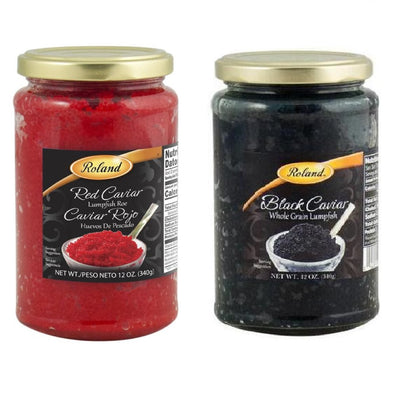
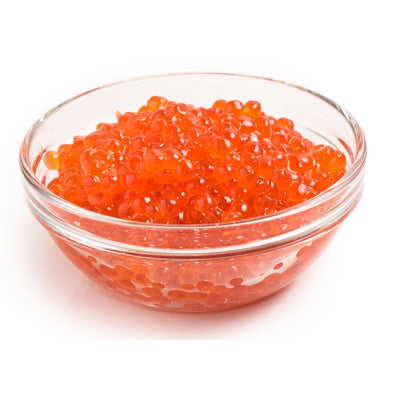
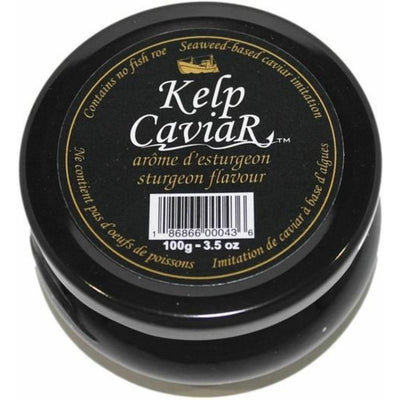
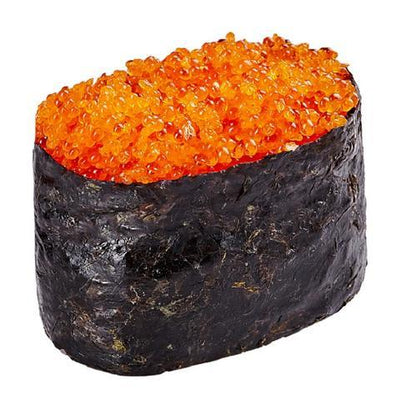
Traditionally and legally, the term caviar refers exclusively to the roe of sturgeon species. This distinction is essential because many products commonly labeled as “caviar” are, in fact, preserved roe from non-sturgeon fish. Salmon roe, for example, is correctly described as salmon roe or ikura, not salmon caviar. The same applies to pike roe, lumpfish roe, paddlefish roe, flying fish roe, and similar products. While these roes may be cured or lightly salted, they do not meet the definition of true caviar.
The malosol curing method developed specifically in relation to sturgeon roe, which is more delicate and structurally sensitive than most other fish eggs. Applying the term malosol to non-sturgeon products dilutes its meaning and contributes to confusion in the marketplace. When used correctly, malosol refers to lightly salted black caviar derived from sturgeon species, prepared using traditional curing standards designed to preserve both flavor and structure.
How Much Salt Is in True Caviar Malosol?

Authentic caviar malosol typically contains approximately 3% to 5% salt by weight in the finished product. This range represents the optimal balance between preservation, shelf stability, and flavor integrity. Within this narrow window, the salt is sufficient to protect the roe without overwhelming its natural character. Deviating from this range, even slightly, has a noticeable impact on quality.
For example, a 100-gram tin of caviar malosol includes both roe and salt combined, resulting in roughly 97 grams of roe and about 3 grams of salt. Falling below this level increases the risk of instability, shortened shelf life, and textural breakdown. Exceeding it leads to firmer eggs, muted flavor, and excessive salinity that masks the roe’s natural profile. These effects are immediately apparent to experienced producers and discerning buyers. For a deeper look at how caviar is traditionally cured and preserved, you can read our detailed guide on how caviar is cured and preserved.
This narrow margin underscores why malosol curing is considered a technical craft rather than a casual process. Precision at this stage determines whether the caviar retains its defining qualities or loses them. Proper salting is not a matter of preference, but of balance achieved through experience and careful control.
Malosol vs Lightly Salted: Is There a Difference?

From a consumer’s perspective, caviar malosol and lightly salted caviar describe a similar level of salinity in the finished product. Both terms indicate that the roe has been cured with restraint rather than heavily preserved. The distinction becomes important, however, when looking beyond taste alone. It lies in how the curing process is executed and what standards are applied during production.
“Lightly salted” functions primarily as a descriptive phrase, while “malosol” refers to a traditional curing approach developed specifically for sturgeon caviar. Authentic caviar malosol follows established salting ratios and strict handling protocols designed to preserve texture, freshness, and consistency. Simply reducing salt without the proper technique can lead to uneven curing, compromised structure, or shortened shelf life. These shortcomings may not be immediately obvious but become apparent over time.
For this reason, reputable producers favor the term malosol when it accurately reflects their curing process. The label signals not just a salt level, but a disciplined approach rooted in experience and tradition. Used correctly, it helps distinguish carefully prepared caviar from products that are merely lightly salted without the same level of control.
Why Salt Has Always Defined Caviar Quality
Before modern refrigeration, caviar preservation posed a serious challenge for producers. Sturgeon roe is highly perishable and begins to degrade shortly after harvesting if left untreated. Early producers needed a method that would allow caviar to survive long transport and storage without destroying its character. Salt emerged as the most reliable solution under these conditions.
Without salt, fresh roe deteriorates rapidly. The eggs lose structural integrity, release excess moisture, and develop off-flavors within a short period of time. Other preservation methods were explored historically, but chemical preservatives altered both texture and taste, introducing foreign elements that compromised the natural character of the roe. Salt proved uniquely effective because it stabilizes the eggs and slows spoilage while preserving their original structure and flavor.
Excessive salting solved the problem of longevity but introduced new drawbacks. Heavy salting muted flavor, toughened the eggs, and diminished the delicate qualities that define fine caviar. Over time, producers refined their techniques and learned that restraint was essential. Caviar reached its highest expression when salt was used sparingly and with precision.
This refinement gave rise to the malosol standard. By limiting salt to what is strictly necessary, producers were able to preserve freshness without sacrificing texture or flavor. The approach reflects a balance between preservation and quality, rather than preservation at any cost. It remains the foundation of premium caviar production today.
The Drawbacks of Over-Salted Caviar
Historically, some producers relied on heavy salting as a practical solution to extend shelf life, particularly when refrigeration and reliable transport were limited. In certain cases, roe was intentionally over-salted to ensure stability during long journeys and prolonged storage. Before sale, the caviar was sometimes soaked in water to remove surface salt and make it more palatable. While this approach addressed preservation concerns, it introduced significant compromises in quality.
Over-salted caviar often suffers from diminished texture and muted flavor. Excess salt toughens the eggs, reduces their natural elasticity, and interferes with the clean separation that defines well-prepared caviar. Flavor clarity is also affected, as excessive salinity masks the subtle characteristics of the roe. In many cases, nutritional integrity is reduced as well, further distancing the product from its intended quality.
The visual and textural cues of over-salted caviar are easily recognized by experienced buyers. The eggs may appear dull, soft, or uneven, lacking the gloss and structure associated with properly cured roe. These shortcomings explain why modern consumers increasingly seek out caviar prepared using restrained, precise salting methods. Proper malosol curing reflects a deliberate move away from preservation-driven compromises toward quality-focused production.
Why Malosol Is the Gold Standard for Premium Black Caviar

Among experienced producers and knowledgeable buyers, malosol curing is widely regarded as the benchmark for high-quality black caviar. The approach preserves the qualities that define exceptional sturgeon roe, including purity of flavor, structural integrity, and a clean, refined finish.
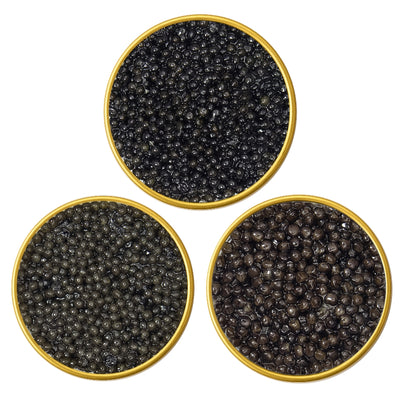
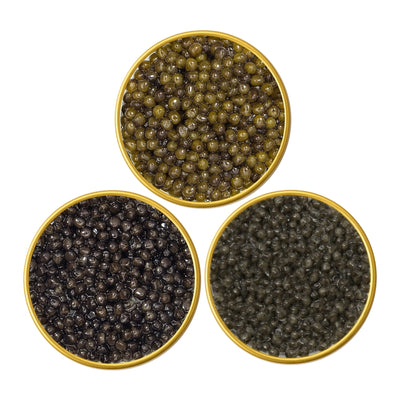
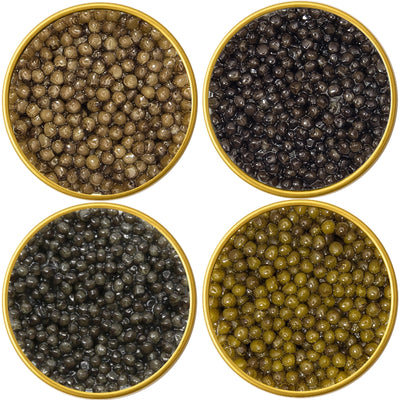
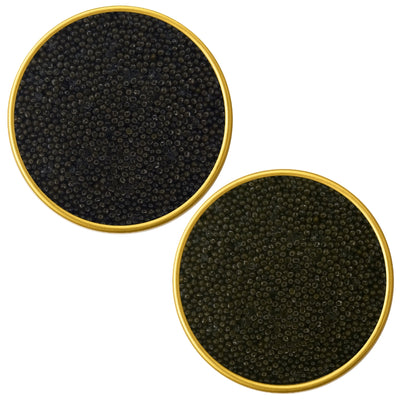
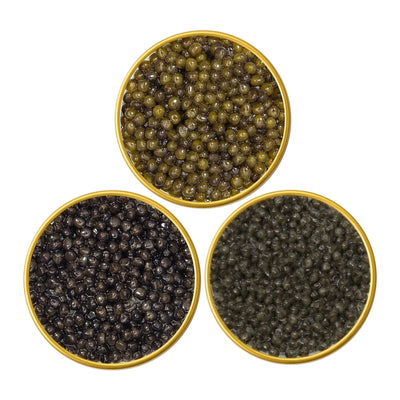
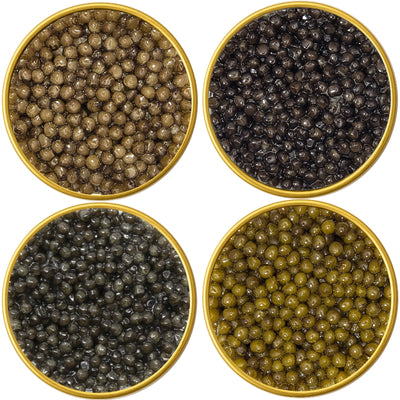
Most reputable producers prepare premium sturgeon caviar, such as American Sturgeon, Beluga, Osetra, Sevruga and Sterlet, using a malosol approach. This method allows the natural characteristics of the roe to remain intact while reflecting careful restraint and technical precision. Alternative curing methods may extend shelf life, but they often do so at the expense of the qualities that give these caviars their reputation and value.
Our Commitment to Authentic Caviar Malosol
All of our caviar is prepared using the traditional malosol preservation method, following standards developed specifically for premium sturgeon roe. We work exclusively with experienced producers who apply precise curing techniques and adhere to strict quality and safety requirements. Every step of the process is designed to preserve the natural structure, texture, and flavor of the roe. This disciplined approach ensures consistency and authenticity across every selection.
Because malosol curing demands precision rather than excess, it reflects a commitment to quality over convenience. The result is caviar with clean flavor, refined texture, and the subtle balance expected from premium black caviar. This philosophy guides how we select, prepare, and present every tin. It also shapes the range of caviars we offer.
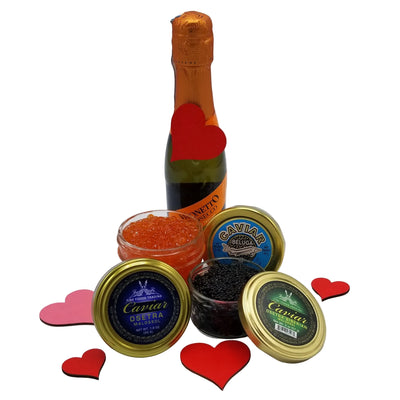
If you would like to explore our selection of premium caviar malosol, you can begin with the following:
- American Sturgeon Caviar Malosol
- Beluga Caviar Malosol
- Osetra Caviar Malosol
- Sevruga Caviar Malosol
- Sterlet Caviar Malosol
You may also browse our full caviar selection to discover additional offerings prepared using traditional lightly salted preservation techniques.