What Is Kaluga Caviar? Everything You Need to Know
Kaluga caviar has one of the more unusual trajectories in the world of premium roe. For decades, it was largely unknown outside specialist circles, overshadowed by the name recognition of Beluga and Osetra. Then, as wild sturgeon populations declined and import restrictions tightened, buyers began looking for alternatives that could deliver the same experience without the scarcity premium. Kaluga stepped into that space and has held it firmly ever since. Today, it sits at the top tier of the market, sought by both first-time premium buyers and seasoned connoisseurs who know exactly what they are getting. This guide covers everything: where Kaluga comes from, what it tastes like, how the grades differ, what it costs, and how to serve it properly.
Where Kaluga Caviar Comes From
Kaluga caviar comes from the Kaluga hybrid sturgeon, a cross between two species native to the Amur River basin in Eastern Asia: Huso Dauricus and Acipenser Schrenckii. The Amur River runs along the border of China and Russia before emptying into the Sea of Okhotsk, and it remains one of the most biodiverse freshwater river systems in the world. Both parent species evolved in these waters over millions of years, producing roe that shares many of the characteristics that made Caspian sturgeon caviar famous: large pearls, rich flavor, and a textural quality that distinguishes premium black caviar from everything below it.
The hybrid was developed through sustainable aquaculture to combine the most desirable traits of both parent species. Huso Dauricus, also known as the Kaluga sturgeon, is the largest freshwater fish in the Amur basin and one of the largest in the world, capable of reaching over a thousand kilograms and living for several decades. Its roe is prized for size and richness. Acipenser Schrenckii, the Amur sturgeon, matures faster and adapts well to controlled farming environments. The hybrid inherits the pearl characteristics of Huso Dauricus and the farming reliability of Acipenser Schrenckii, producing a fish that can be raised at scale without compromising the quality of the roe.
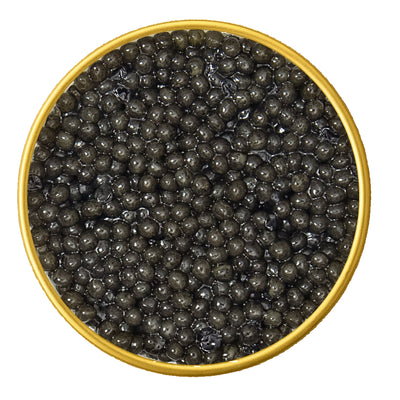
Because the Kaluga hybrid produces roe that so closely resembles Huso Huso Beluga in size, texture, and flavor, it is widely marketed under the name River Beluga. This is not a branding shortcut. The roe genuinely occupies the same quality tier as farmed Beluga, and for buyers in the United States where true wild Beluga has been banned from import since 2005, Kaluga hybrid caviar is the most direct path to that experience. At Caviar Malosol, the River Beluga Malossol Caviar and the River Beluga Gold Malossol Caviar are both sourced from Kaluga hybrid sturgeon farmed to the Malosol standard.
What Does Kaluga Caviar Taste Like?
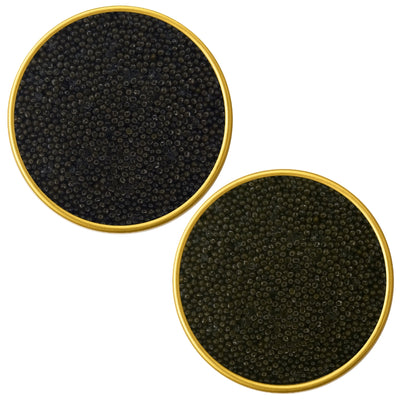
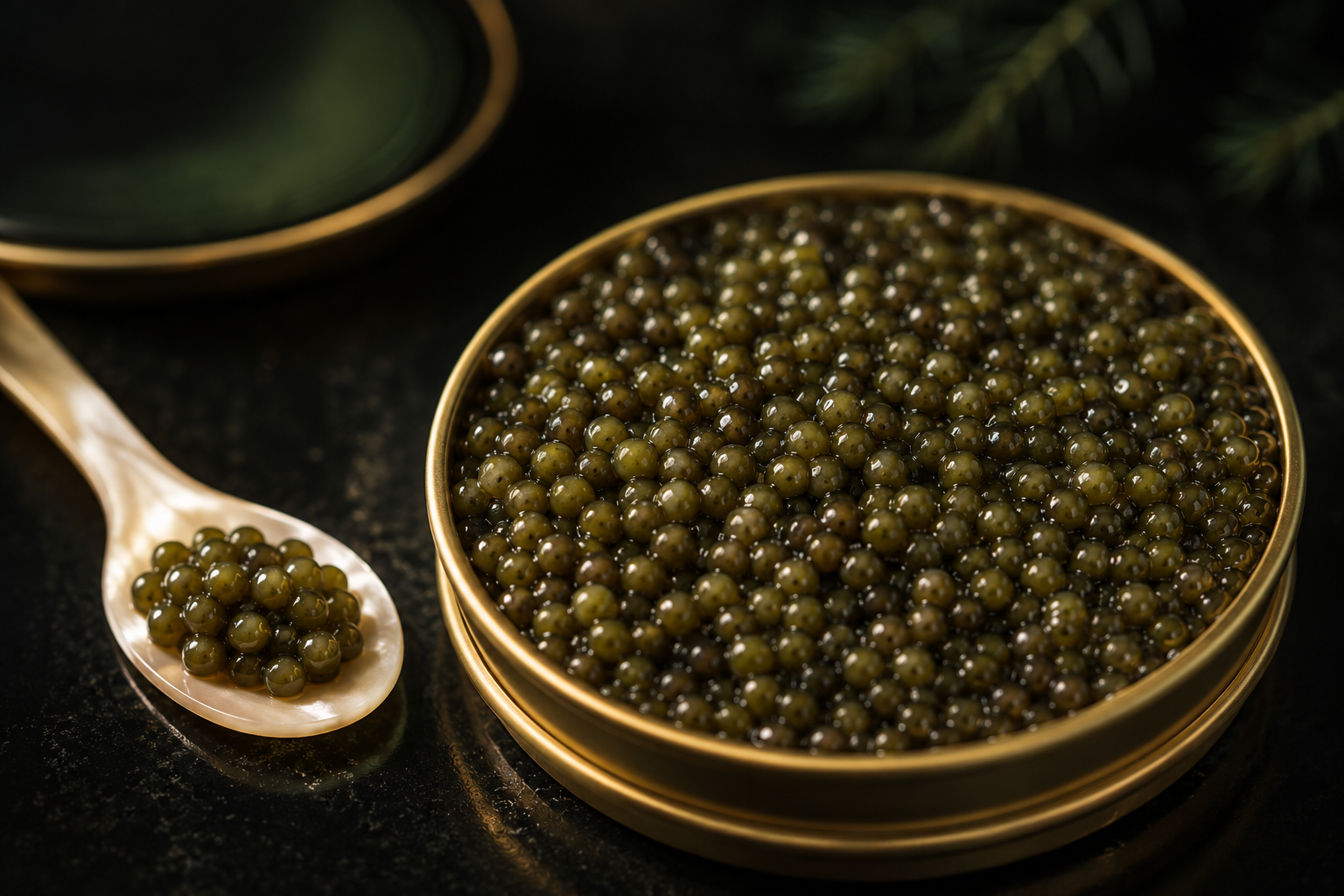
Kaluga caviar has a flavor profile that sits in the richest part of the black caviar spectrum. The dominant notes are buttery and mildly nutty, with a clean brine that signals quality without overwhelming the palate. The finish is smooth and relatively long, with a faint oceanic quality that lingers after the pearls have dissolved. It is not sharp, not aggressively salty, and not fishy. At the premium Malosol grade, the saltiness is restrained enough that the natural character of the roe comes through in full.
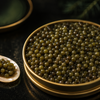
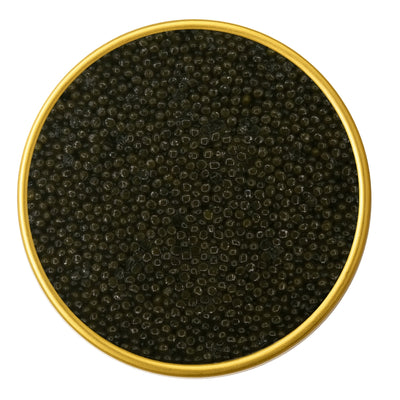
Texture is where Kaluga tends to impress buyers most on a first encounter. The pearls are large, typically ranging from three to three and a half millimeters, with a firm outer membrane that delivers a distinct pop on contact with the roof of the mouth. That pop releases the roe cleanly and smoothly, producing the sensation that defines top-tier black caviar. Pearl size at this level is partly a function of the fish's maturity, and Kaluga hybrid sturgeon are typically farmed for eight to ten years before the first harvest, allowing the roe to develop full size and complexity.
Compared to other premium varieties, Kaluga occupies its own lane. Osetra caviar carries earthier, more pronounced nutty notes and a firmer texture. Sevruga is smaller-pearled and noticeably sharper in brine. Salmon roe is vibrant and sweet, completely different in profile. Kaluga sits closest to Beluga in its emphasis on creaminess and restraint, which is precisely why the two are so often discussed together. For a detailed side-by-side breakdown, the Kaluga vs Beluga guide covers the comparison in full
Kaluga Caviar Grades Explained
Not all Kaluga caviar is the same, and understanding the grade system is essential to making an informed purchase. The grade reflects several factors simultaneously: the maturity and size of the individual fish, the size and uniformity of the pearls, the firmness and color of the roe, and the quality standards applied during processing. Higher grades are produced from older, larger fish whose eggs have had more time to develop fully, and they are selected with stricter criteria at every stage from harvest to packing.
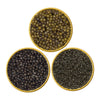
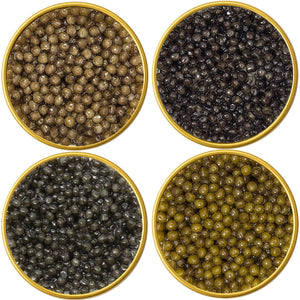
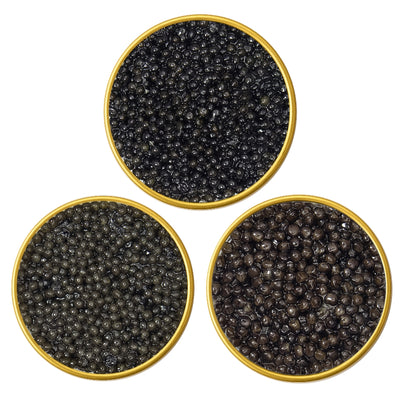
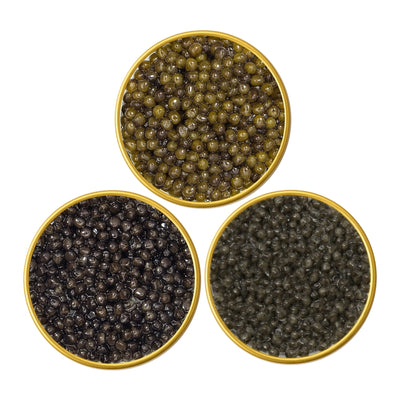
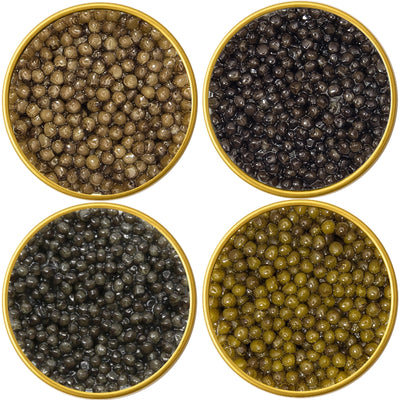
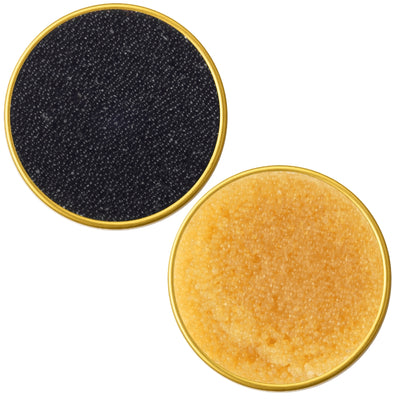
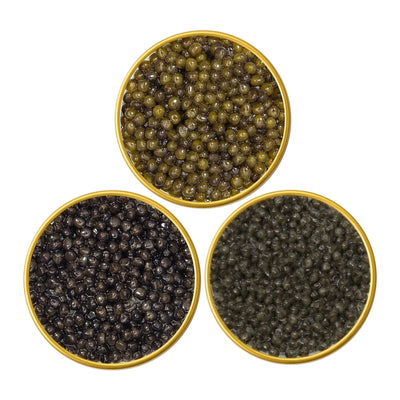
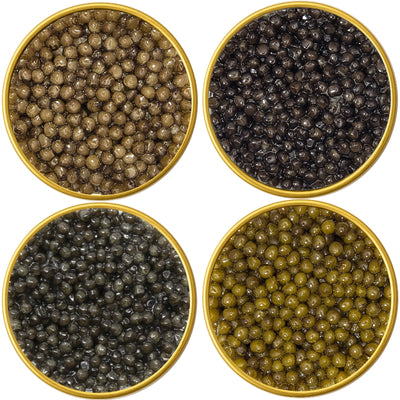
At the entry level, standard Kaluga hybrid caviar delivers the core flavor profile described above and represents excellent value within the premium tier. It is the right starting point for buyers entering this category for the first time. Moving up, the Gold grade, sold at Caviar Malosol as River Beluga Gold, reflects a selection of larger, more uniform pearls from specially chosen batches. The color shifts toward a warmer amber-auburn tone, and the flavor is slightly more developed, with a fuller finish. This is the grade to reach for when the occasion warrants something elevated beyond the standard offering.
Beyond these two primary grades, the broader Kaluga market also uses terms like Royal, Imperial, Queen, and Amber to denote further distinctions in pearl size and selection criteria. Queen typically refers to the largest and most mature pearls from the harvest, commanding correspondingly higher prices. What matters more than the grade name, which varies by producer, is the information behind it: the species, the farming origin, the salt percentage, and the processing method. Any producer unable to provide that information clearly is not worth the price of entry at this tier.
Is Kaluga Caviar Sustainable?
Kaluga hybrid caviar is produced entirely through aquaculture, and that is a meaningful distinction for buyers who think carefully about what they purchase. Wild Kaluga and Huso Dauricus sturgeon populations in the Amur River basin are considered endangered due to decades of overfishing and habitat pressure, and commercial wild harvest has been restricted by both Chinese and Russian authorities. What is sold today under the Kaluga caviar name in the United States comes exclusively from farmed fish raised in controlled environments built for sustainable production.
The aquaculture operations producing premium Kaluga caviar are structured around long production cycles: eight to ten years or more before the first harvest. This reflects the biology of the fish rather than a shortcut, and it means that responsible farms plan production years in advance, with strong financial incentives to maintain herd health and consistent quality. The farms also operate under CITES (Convention on International Trade in Endangered Species) compliance requirements, which govern the traceability and documentation of all caviar traded internationally. Every tin of legally sold Kaluga caviar in the US market is traceable back to its farm of origin.
For buyers asking whether Kaluga is pasteurized: premium Malosol Kaluga caviar is not pasteurized. Pasteurization extends shelf life but alters texture and flavor in ways that are detectable to any experienced palate, producing a softer, less vibrant product. The Malosol method, lightly salted at around three percent, preserves the roe through salt rather than heat and is the standard for any caviar sold at the premium tier. It requires proper cold chain handling from farm to table, which is why sourcing from a supplier who takes shipping seriously matters as much as the grade itself.
How to Eat and Serve Kaluga Caviar
Kaluga caviar does not require elaborate preparation, but it does reward attention to a few fundamentals. Serve it cold, ideally at or just above freezing, by nesting the tin or jar in a bowl of crushed ice. Bring it to the table at that temperature and consume it within a sitting. Kaluga at room temperature loses its textural integrity quickly, and the flavors become less defined as the fat in the roe softens.
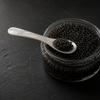
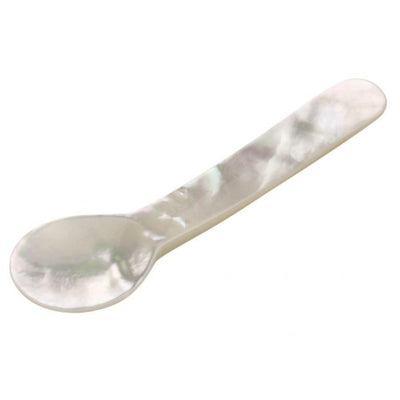
Use a non-metallic spoon. The traditional choice is mother of pearl, which does not react with the roe or transfer any metallic taste. Bone and wood work equally well. A proper caviar spoon is not an affectation. It is a practical tool that makes a real difference to how the caviar tastes, and it is the correct serving instrument for a product at this price point.
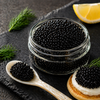
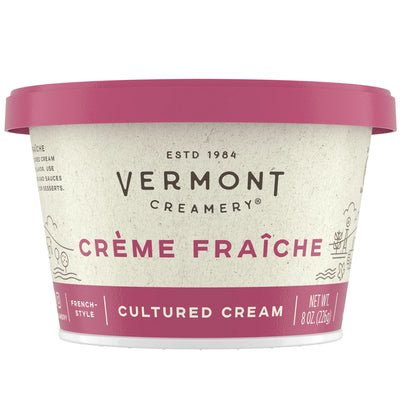
Keep the accompaniments simple. Lightly toasted bread points, warm blinis, or plain potato chips provide a neutral base that lets the roe lead. A small amount of creme fraiche adds a smooth, lactic contrast without competing with the flavor of the caviar. Chopped onion and hard-boiled egg are traditional accompaniments but are best used sparingly, since both can overpower the more delicate notes in premium Kaluga. The goal of any accompaniment is to carry the roe, not distract from it.
For drinks, the two classic pairings both work on the same principle: a cold, clean palate cleanser between bites. Ice-cold vodka, ideally a neutral grain vodka served straight from the freezer, has been the traditional pairing in Eastern Europe for as long as caviar has been consumed there. Dry champagne or a crisp, unoaked white wine like Chablis or Blanc de Blancs works equally well for those who prefer wine. Avoid anything heavily oaked, sweet, or with strong tannins, all of which compete with the subtler notes in the roe.
How Much Does Kaluga Caviar Cost?
Kaluga caviar sits in the premium tier of the market, which means pricing reflects the long production cycle, the care involved in processing, and the quality of the sourcing. The River Beluga Malossol at Caviar Malosol starts at $70 for a 28g jar, while the River Beluga Gold, the specially selected grade with larger pearls and a more elevated presentation, is priced higher to reflect the additional selection criteria applied at harvest. These prices position Kaluga as accessible relative to top-end Beluga hybrid caviar from other suppliers, which often exceeds $150 or more for the same quantity.
Several factors influence where a given Kaluga product falls within that range. Pearl size is the most direct driver: larger pearls come from older, more mature fish and are produced in smaller quantities per harvest, which drives the price up. Sourcing transparency also affects pricing. Producers who invest in traceability, sustainable farming infrastructure, and consistent cold chain logistics have higher operating costs, and that is reflected in what they charge. Buying cheap Kaluga caviar from an unknown source introduces real risk of mislabeling, inferior grade, or compromised freshness. For a full breakdown of what drives caviar pricing across all varieties, the caviar prices explained guide covers the subject in detail.
In terms of value within the premium category, Kaluga hybrid caviar occupies one of the strongest positions available. You are getting the large-pearl, buttery-rich experience of the Beluga tier at prices that make regular purchase realistic rather than reserved for special occasions. That accessibility is part of why Kaluga has built such a loyal following among buyers who take premium caviar seriously.
Where to Buy Kaluga Caviar Online
When buying Kaluga caviar online, the information a supplier provides before you purchase tells you almost everything you need to know about the quality of what you will receive. Look for the sturgeon species listed by Latin name or specific hybrid designation, the country and farm of origin, the salt percentage, and the processing method. Malosol, meaning little salt, should appear on any premium product. If a product listing cannot answer these questions clearly, the risk of receiving something misgraded or mislabeled is real.
Shipping handling matters as much as sourcing at this price point. Caviar is a perishable product that degrades quickly outside of the correct temperature range. Look for suppliers who ship with insulated packaging and ice packs as standard, with overnight or two-day delivery as the default option. A supplier who treats cold chain logistics as optional is not set up to deliver premium roe in the condition it deserves.
Caviar Malosol carries Kaluga hybrid caviar in two grades: the River Beluga Malossol Caviar for buyers entering the category, and the River Beluga Gold Malossol Caviar for those seeking a more elevated selection. Both are sourced from aquaculture farms in Eastern Asia, processed to the Malosol standard, and available in multiple sizes. For a first purchase, the 28g jar delivers a complete tasting experience without requiring a large commitment.
Kaluga caviar earns its place at the top of the market not through scarcity alone but through genuine quality. The fish behind it, the production methods that shape it, and the flavor it delivers all justify the attention it has received. Whether you are tasting it for the first time or adding it to a rotation of premium varieties you already know, it is one of the most rewarding and best-supported choices in black caviar today.