Masago in Sushi: Discovering the Crunchy Charm of Capelin Roe
- Updated
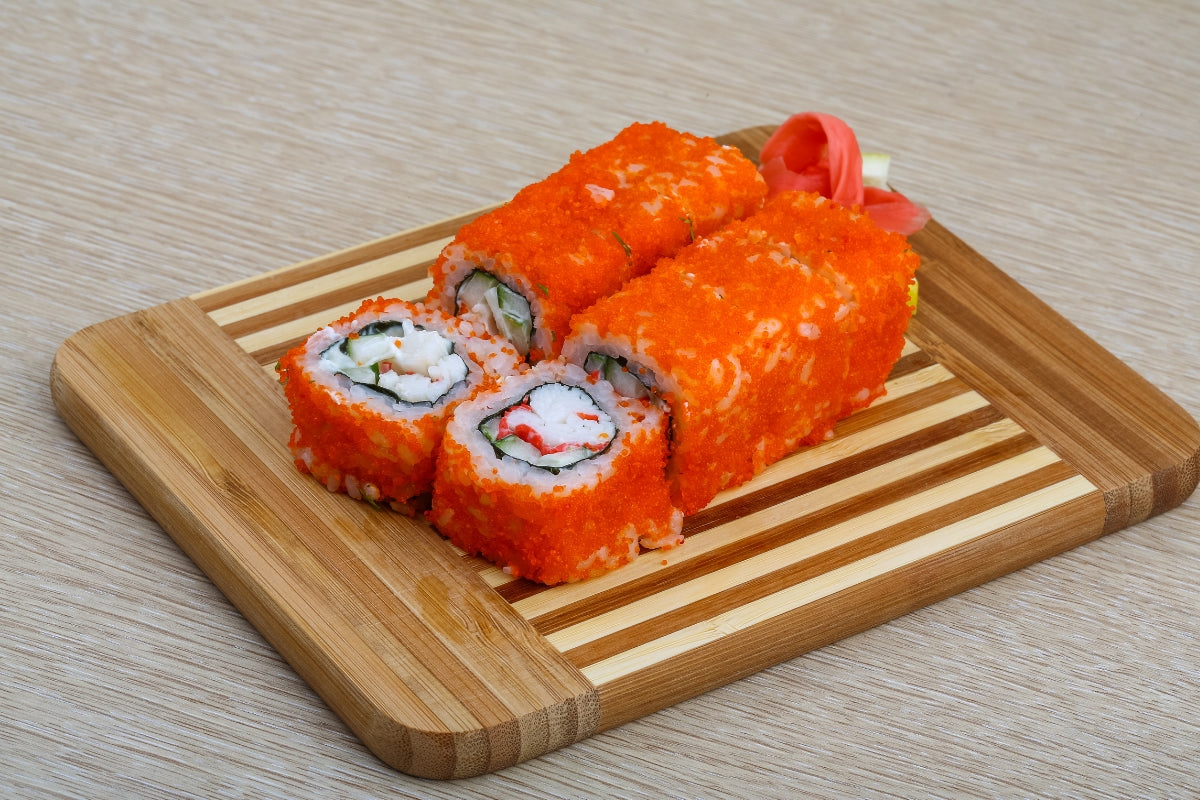
If you have eaten a California roll or any maki topped with tiny orange pearls, you have already tasted masago. It is one of the most widely used ingredients in sushi, yet most people eat it without knowing much about what it is, where it comes from, or what makes it distinct from similar roes like tobiko or ikura. This guide covers all of it.
Masago is the roe of the capelin fish, a small cold-water species found in the North Atlantic and Arctic oceans. The eggs are naturally pale yellow and very small, which is where the name comes from: masago means "sand" in Japanese, a reference to the fine, granular texture of the roe. Before reaching your plate, masago is typically salted, seasoned, and dyed bright orange to enhance its visual appeal in sushi presentations.
Because masago is affordable, mild in flavor, and visually striking, it has become a global staple in sushi restaurants of every level. Understanding what it is and how it works helps you appreciate it more, whether you are eating it at a restaurant or sourcing it to use at home.
What Is Masago?

The word masago literally means "sand" in Japanese, a reference to the fine, granular texture of the eggs. This describes the experience perfectly: masago coats the surface of a roll or sits on top of nigiri as a fine, evenly distributed layer rather than appearing in large individual pearls.
What Does Masago Taste Like?
Masago has a clean, lightly briny flavor with a subtle sweetness underneath. It is not sharp or overpowering, which is part of why it works so well in sushi: it adds a layer of flavor without competing with the fish, rice, or sauces around it. When you bite into it, the eggs release a mild saltiness and a faint oceanic note that feels fresh rather than fishy.
The texture is just as important as the flavor. Masago delivers a soft, satisfying crunch with each bite. The eggs are small enough that they do not dominate a mouthful but numerous enough that you notice them. This is why chefs use masago as a coating for rice-out rolls: it adds texture to every single bite rather than appearing only in one section of the roll.
Compared to tobiko, masago is milder and less crunchy. Compared to sturgeon caviar, it is far more understated. It sits in a category of its own: approachable, versatile, and well-suited to a wide range of sushi preparations. If you want a full side-by-side breakdown of how the two compare, our masago vs tobiko guide covers every difference in detail.
The History and Origin of Masago

Capelin fish have been harvested for centuries in cold-water regions such as Iceland, Norway, and parts of the North Atlantic. While capelin roe was traditionally consumed closer to its source, masago found its culinary identity in Japanese cuisine, where it became a staple ingredient in sushi and seafood dishes.
As sushi culture expanded globally, masago followed. Its affordability, shelf stability, and visual appeal made it a natural fit for sushi restaurants worldwide, helping it transition from a regional ingredient into a global favorite. Today it appears in sushi restaurants across North America, Europe, and Asia, almost always as the bright orange coating on a California roll or similar maki.
Harvesting is tightly timed. Female capelin begin releasing eggs at around two to four years of age, and the roe must be collected when the eggs are fully developed but before spawning begins. The fishing season is relatively short, typically running from April through July depending on the region. Once harvested, the roe is either deep-frozen immediately or processed further before freezing, which is why masago is available year-round in consistent quality.
Nutritional Benefits of Masago
Beyond its role as a garnish or topping, masago contributes meaningful nutritional value. Per tablespoon, masago contains roughly 40 calories and about 4 grams of protein. It is low in carbohydrates and contains omega-3 fatty acids, which are associated with cardiovascular and cognitive health.
Masago contains vitamin B12, selenium, and magnesium, nutrients associated with brain function, cardiovascular health, and energy production. When enjoyed in moderation as part of a balanced diet, masago adds both flavor and functional nutrition to sushi dishes.
The main nutritional caveat is sodium. Processed masago is salted as part of preparation, which means a standard serving can contribute significantly to your daily sodium intake. Some commercial masago also contains soy sauce as a seasoning, which is relevant for anyone with a soy intolerance. If you have dietary restrictions, it is worth checking the label or asking your supplier about the specific ingredients used in preparation.
Common Uses of Masago in Sushi

Masago appears in sushi preparations in several ways. The most visible is as a coating on inside-out rolls, where the rice-side exterior is pressed into masago so that every bite includes a layer of crunchy roe. California rolls, spicy tuna rolls, and shrimp tempura rolls are all commonly finished this way. The masago adds visual texture on the outside and a consistent flavor contribution throughout.
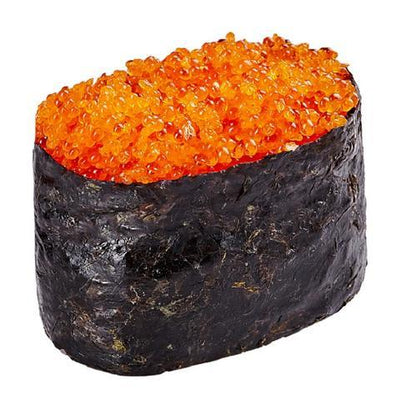
It is also used as a topping, sprinkled over nigiri, gunkan maki, or sashimi. In this context, masago acts more like a garnish: it adds color, a subtle crunch, and a finishing note of brininess to the surface of the fish. Some restaurants also blend masago into spicy mayo, which is a popular sauce for drizzling or dipping. The roe adds body and a gentle saltiness to the sauce without overwhelming the heat from the chili.
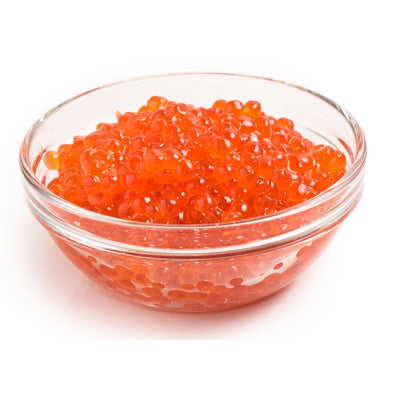
You will also find masago in hand rolls, seafood salads, poke bowls, and rice dishes. Its mild flavor allows it to enhance a dish without competing with other ingredients, and its visual impact is hard to replicate with anything else at its price point. For those who enjoy experimenting with different roes, salmon roe is another versatile option worth trying alongside masago.
Masago vs. Tobiko: What's the Difference?


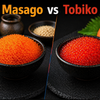
This is the most common question people have about masago, and the confusion is understandable. Both masago and tobiko are small, brightly colored fish roes used in sushi, and they look nearly identical when served on a roll. The differences become clear when you know what to look for.
Tobiko is flying fish roe. Its eggs are slightly larger than masago, firmer in texture, and deliver a more pronounced crunch. The flavor is bolder too, with a smokier, more complex taste. Tobiko is also more expensive, which is why many sushi restaurants use masago as a substitute, particularly in budget-friendly rolls where the distinction is barely noticeable.
Masago is smaller, softer, and milder. Its crunch is gentler, and the flavor is more restrained. For rolls where the roe is one element among many, masago is often the better choice: it contributes without dominating. Tobiko, by contrast, is better suited to preparations where the roe itself is meant to be a focal point. For a thorough comparison of both roes across taste, texture, price, and use cases, read our dedicated masago vs tobiko breakdown.
Is Masago the Same as Caviar?
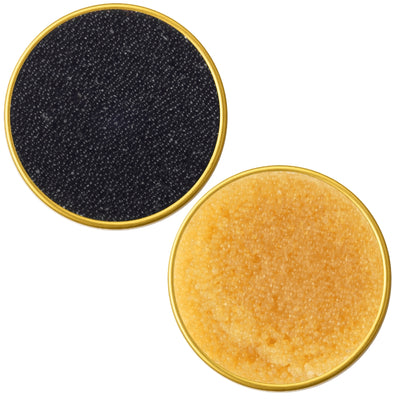
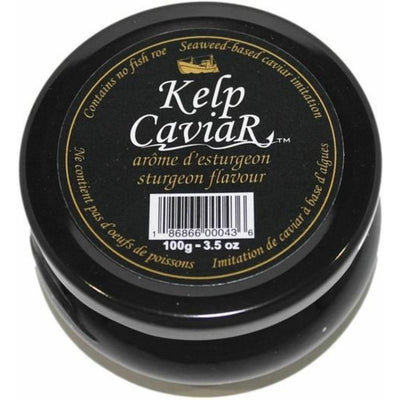
No. Masago and caviar are both fish roe, but they come from entirely different fish and occupy very different positions in terms of flavor, texture, and price. Caviar, in its traditional definition, comes from sturgeon. It is larger, creamier, more complex in flavor, and significantly more expensive than masago. If you are curious about what makes sturgeon caviar distinct, our guide on what is caviar malosol explains the basics well.
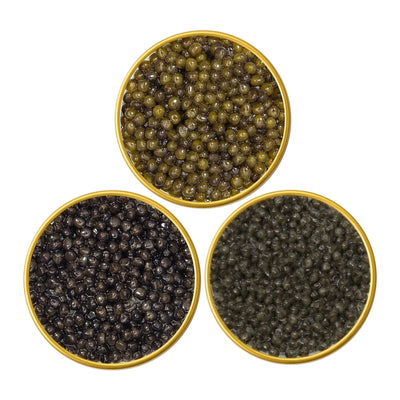
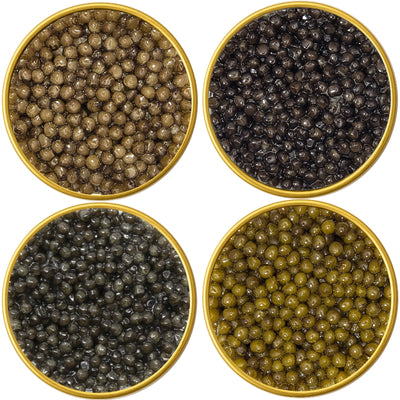
Masago is sometimes described as a sushi caviar because it shares the same basic category, fish eggs prepared for eating, but calling it caviar can mislead expectations. The two are not interchangeable. Caviar carries a richness and depth that masago does not attempt to replicate. Masago is its own thing: a specific ingredient with a specific role, and it performs that role very well.
If you are looking to explore the wider world of fish roe beyond sushi, salmon roe sits between masago and sturgeon caviar in terms of both size and intensity. Each type has its own character and best uses, and comparing them is a worthwhile exercise for anyone interested in how different roes contribute to a dish.
Where to Buy Masago
Masago is widely available at Asian grocery stores and seafood markets, usually sold frozen or refrigerated. When selecting masago, look for evenly sized roe with bright color and a clean, neutral aroma. Avoid anything with dull or grayish coloring, which can indicate age or poor cold chain management.
For added convenience and quality assurance, you can also purchase masago online from Caviar Malosol, where it is shipped in insulated packaging to maintain freshness throughout transit. If you are also curious about tobiko or other sushi roes, our sushi caviar selection offers several options alongside masago, making it easy to compare and order different roes in one place.
How to Store and Handle Masago
Proper storage is essential to preserving masago's texture and flavor. In its sealed, frozen state, masago holds its quality for several months without any meaningful degradation. Keep it in an airtight container and maintain a consistent freezer temperature to prevent freezer burn.
Once thawed, transfer masago to a clean airtight container and refrigerate. Consume it within three to four days for the best texture and taste. Do not refreeze masago after thawing: the cell structure of the eggs breaks down with repeated freeze-thaw cycles, which eliminates the crunch that makes masago worth using in the first place. The same storage principles apply to tobiko and other sushi roes. For a broader look at best practices, our guide on how to properly store caviar goes into further detail.
Frozen masago can last several months when stored correctly. After thawing, limit exposure to air and room temperature between uses, and always return it to the refrigerator promptly. With proper handling, the texture and flavor hold up well through the entire serving window.
Final Thoughts
Masago brings a distinctive crunch, gentle brininess, and vibrant color to sushi dishes. Its versatility and approachable flavor make it a favorite in both traditional preparations and modern interpretations, and its nutritional profile makes it more than just a garnish.
Whether used as a topping, mixed into sauces, or served as a coating on a rice roll, masago adds balance and refinement to sushi. For those who want to go deeper, the comparison between masago and tobiko is a natural next step. And if you are curious about where masago fits within the broader world of roe, the caviar basics guide covers the full spectrum from capelin roe up to premium sturgeon caviar.