What Is Caviar and How Is It Different from Fish Roe?
- Updated
Caviar is one of the most recognizable luxury foods in the world, yet it is also one of the most misunderstood. Many people use the word “caviar” to describe any type of fish eggs, while others believe only one specific variety qualifies. Understanding what caviar actually is and how it differs from fish roe helps clear up this confusion.
This guide explains what caviar really is, where it comes from, and how it differs from other types of fish roe you may see labeled as caviar today.
What Is Caviar?
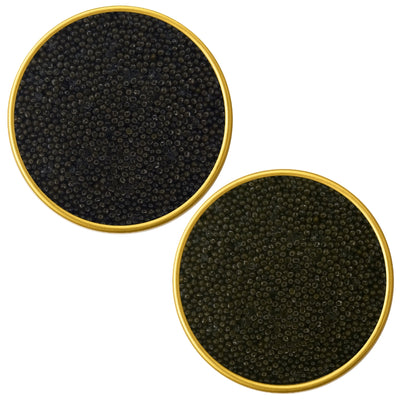
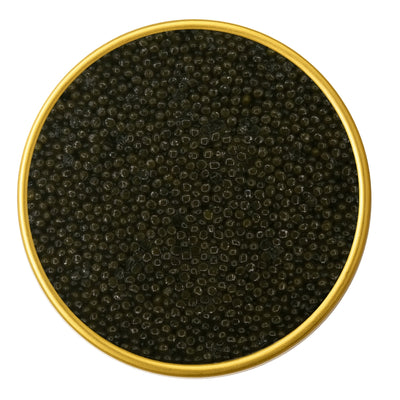
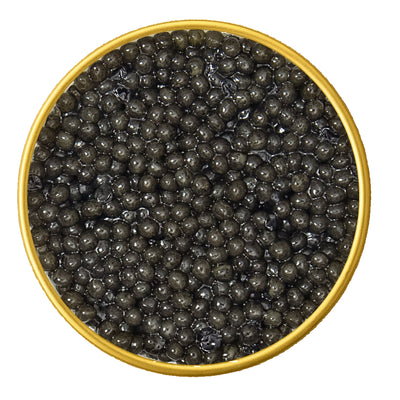
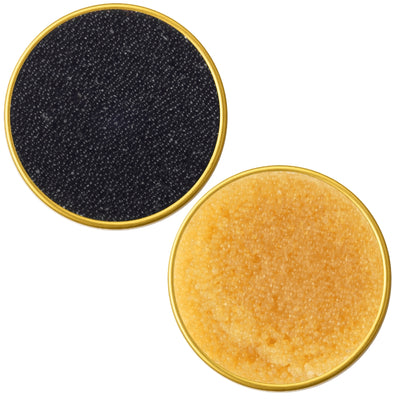
 At its core, caviar is the cured roe of fish. Roe refers specifically to unfertilized eggs harvested from female fish. Traditionally, the term caviar was reserved exclusively for roe sourced from sturgeon.
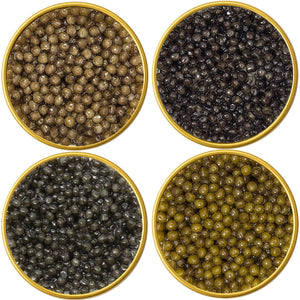
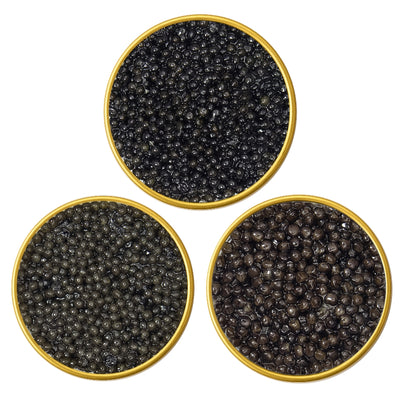
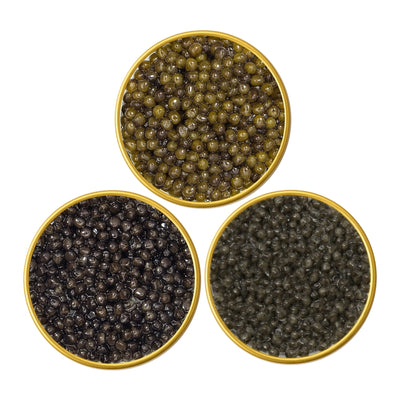
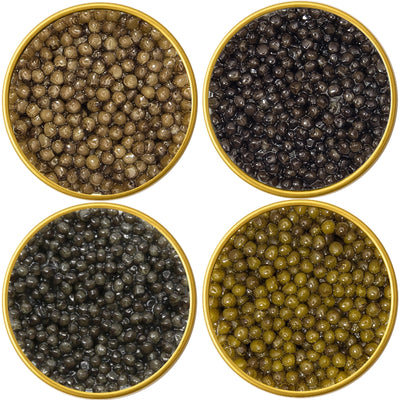
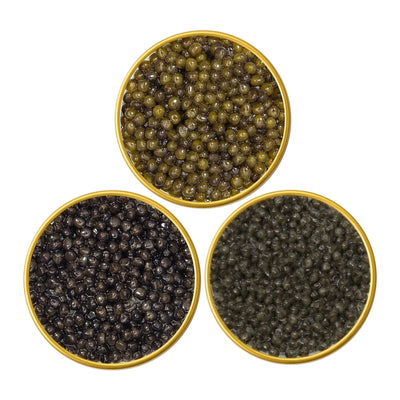
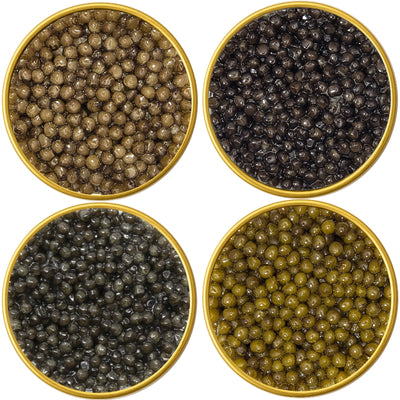
Historically, true caviar came from sturgeon found in the Caspian and Black Seas. Varieties such as Beluga, Osetra, and Sevruga became the global standard due to their distinctive texture, flavor, and rarity. For many purists, these sturgeon varieties still represent the highest expression of what caviar should be.
Today, the term “caviar” is more broadly used. While it is not a legally protected term in most regions, its traditional meaning remains rooted in sturgeon roe that has been carefully cured and preserved.
What Is Fish Roe?
 Fish roe is a general term used to describe the eggs of any fish species. Roe exists across hundreds of fish families and varies widely in size, color, texture, and flavor.
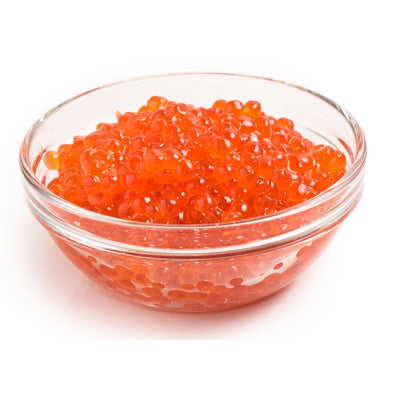
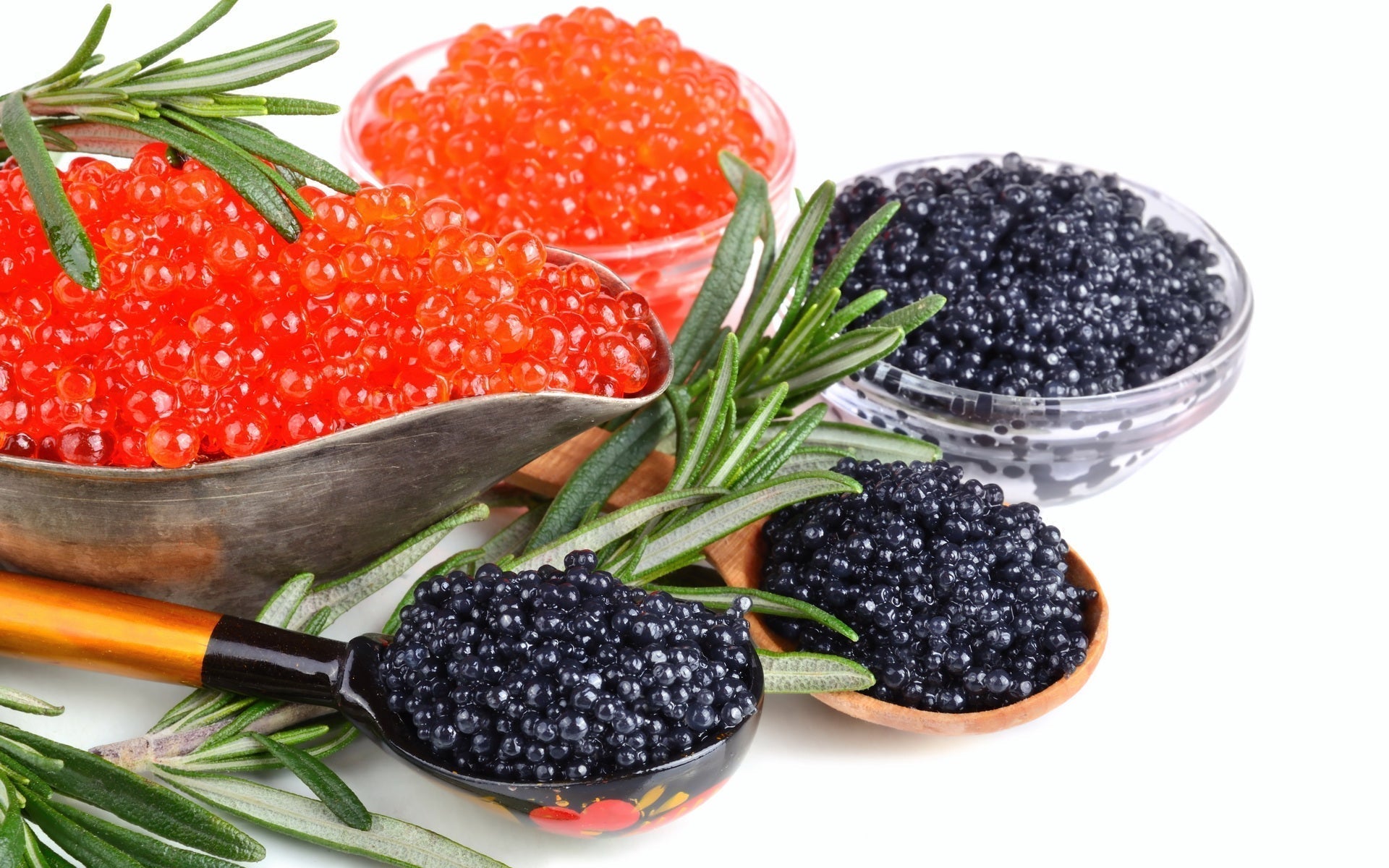
Not all roe is suitable for consumption, and only a small selection of fish roe is commonly eaten. Salmon roe, paddlefish roe, and pike roe are among the most popular edible varieties. While these products are often enjoyed in similar ways, they differ significantly from traditional sturgeon caviar in structure and taste.
In simple terms, all caviar is fish roe, but not all fish roe is caviar.
Caviar vs. Fish Roe: What’s the Difference?
 The difference between caviar and fish roe comes down to tradition, species, and preparation. Caviar has historically referred to sturgeon roe that is lightly cured with salt to preserve freshness while maintaining the integrity of each egg.
Fish roe, on the other hand, includes eggs from many different fish species and may be prepared in a variety of ways. Some roe is cured, some is pasteurized, and some is used fresh depending on culinary tradition.
Texture is another key distinction. Sturgeon caviar is known for its firm yet delicate eggs that separate cleanly and release flavor gradually. Many other types of roe have softer membranes, stronger salinity, or a more pronounced pop when eaten.
Although modern usage has expanded the word “caviar” to include non-sturgeon roe, understanding this distinction helps buyers know exactly what they are purchasing and why different types of roe are valued differently.
Which Fish Produce Caviar?
Traditionally, caviar comes from sturgeon. These ancient fish are known for producing large, delicate eggs with a clean, nuanced flavor. Classic sturgeon caviar varieties include Beluga, Osetra, and Sevruga, each offering distinct characteristics in texture, color, and taste.
Over time, the use of the term “caviar” has expanded beyond sturgeon. Today, roe from other fish is often marketed as caviar due to similar culinary use, even though it differs from traditional definitions.
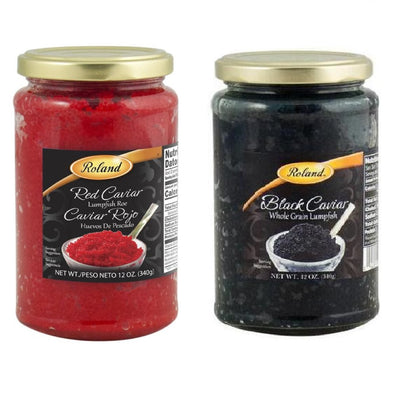
Common non-sturgeon roe sold as caviar includes salmon roe, paddlefish roe, and pike roe. While these products are widely accepted and enjoyed, they are technically different from sturgeon caviar and should be understood as such.
Why Sturgeon Caviar Became the Standard
Sturgeon caviar earned its reputation through a combination of rarity, texture, and flavor. Sturgeon take many years to mature, which limits production and increases scarcity. Their eggs also have a unique structure that allows them to remain firm while delivering a smooth, gradual release of flavor.
Historically, sturgeon caviar was harvested from the Caspian and Black Sea regions, where it became associated with royalty, fine dining, and celebration. These cultural associations helped establish sturgeon caviar as the benchmark against which all other roe is measured.
Even today, when farmed sturgeon caviar is more widely available, the traditional characteristics of sturgeon roe continue to define what many people consider true caviar.
How Caviar Is Preserved
 Caviar is an extremely perishable product. Freshly harvested roe can spoil quickly if left untreated, which is why preservation is essential. The most traditional and widely respected preservation method is curing with salt.
Light salting helps extend shelf life while maintaining the natural texture and flavor of the eggs. Caviar cured with a low salt concentration is known as malossol, a term that refers to “little salt.” This method allows the roe’s natural character to shine without overpowering salinity.
The curing process requires precision. Too little salt shortens shelf life, while too much salt can mask flavor and alter texture. For a more detailed explanation of this process, you can read our guide on how caviar is cured and preserved, which explores preservation methods in greater depth.
Why Caviar Is Considered a Delicacy
Caviar has long been regarded as a delicacy due to a combination of rarity, craftsmanship, and sensory experience. The visual appeal of caviar, with its glossy pearls and subtle color variations, immediately sets it apart from most foods.
Texture and flavor also play a major role. Properly cured caviar offers a delicate balance of salinity, richness, and freshness that unfolds gradually on the palate. Unlike heavily processed foods, caviar delivers flavor in a restrained and refined way.
Scarcity has further contributed to caviar’s reputation. Historically, overfishing of wild sturgeon led to severe population decline, prompting strict regulations and a shift toward sustainable farming. These limitations reinforced caviar’s status as a rare and valuable product.
Is All Caviar Expensive?
Not all caviar is expensive. While premium sturgeon caviar commands higher prices due to long maturation cycles, limited yields, and careful production, there are many options that are far more accessible.
Farmed sturgeon caviar, along with non-sturgeon roe such as salmon or paddlefish, allows more people to enjoy caviar products without the price traditionally associated with rare sturgeon varieties. These alternatives differ in texture, flavor, and intensity, but they still offer a satisfying introduction to roe.
Understanding how and why prices vary helps buyers make informed choices rather than assuming all caviar delivers the same experience or cost. For a deeper explanation of pricing factors and what different types typically cost, you can read our guide on caviar prices explained.
Understanding What Caviar Really Is
Caviar is more than just fish eggs. It represents a specific tradition of harvesting, curing, and appreciation that developed over centuries. While modern usage of the term has expanded, its roots remain closely tied to sturgeon roe and careful preservation.
Knowing the difference between caviar and fish roe allows consumers to make informed choices and better appreciate what they are eating. Whether enjoying traditional sturgeon caviar or other forms of roe, understanding the distinction adds depth to the experience.
By learning what caviar truly is and how it differs from fish roe, buyers can approach this unique food with clarity, confidence, and appreciation.