What Is Pike Caviar? Flavor, Origin, and Everything You Need to Know Before You Buy
Pike caviar occupies an interesting position in the world of roe. It is not as well known as sturgeon or salmon roe, and it does not carry the cultural weight of masago or tobiko in sushi culture. What it does carry is a clean, direct flavor that reflects its freshwater origin, a firm texture that holds up well on the palate, and a price point that makes it accessible without feeling like a compromise. For anyone curious about freshwater caviar, pike roe is the most natural place to start.
This guide covers everything you need to know before you buy: where pike comes from, how the roe is made, what it tastes like, how it compares to other roes, and how to serve it properly. By the end, you will know exactly whether pike caviar belongs in your kitchen and how to make the most of it when it does.

The Fish Behind the Roe
Pike caviar comes from the northern pike, known scientifically as Esox lucius, one of the most widely distributed freshwater predators in the world. Northern pike are found across a broad range that spans North America, Europe, and northern Asia, inhabiting lakes, rivers, and slow-moving streams in cold and temperate climates. The fish is large, aggressive, and built for ambush, with a long body, a distinctive elongated snout, and sharp teeth that make it one of the apex predators of freshwater ecosystems.
Female northern pike are harvested for their roe during the spring spawning season, when the eggs are fully developed and at their peak quality. The roe sacs of a mature female can be substantial, producing a meaningful quantity of small, firm eggs that are well suited to curing and processing. Pike are not farmed at commercial scale the way sturgeon are, which means most pike roe comes from wild-caught fish harvested during the natural spawning run. This seasonal availability gives pike caviar a character that is tied directly to its wild origin.
The freshwater environment that pike inhabit shapes the flavor of the roe in a way that distinguishes it clearly from marine roes. Without the salt content of the ocean, freshwater fish produce eggs with a cleaner, more mineral-forward profile and a lighter salinity before curing. This is part of what makes pike caviar interesting as a category: the flavor of the roe reflects the cold, clear waters the fish lives in, and that character carries through into the finished product.
How Pike Caviar Is Made
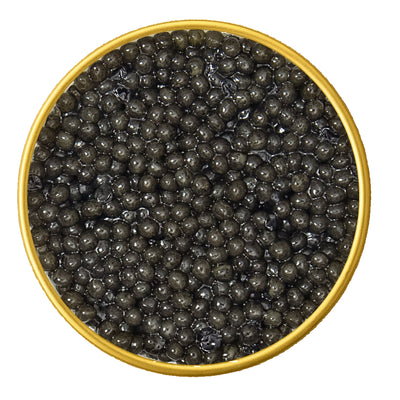
After harvest, pike roe is rinsed, sorted, and prepared for curing. The eggs are small and uniform, with a natural gray or olive tone that varies depending on the age and condition of the fish. Sorting removes any broken or damaged eggs before curing begins, since intact eggs are essential to the texture and presentation of the finished product. The process is careful and hands-on, which reflects the artisanal nature of freshwater roe production compared to the larger-scale processing of marine roes.
Most quality pike caviar is cured using the malossol method, which involves a light application of salt to draw out moisture and develop flavor while keeping the natural character of the roe intact. The word malossol means lightly salted in Russian, and it is the standard of quality across the caviar trade. A malossol cure on pike roe produces eggs that are firm, clean-tasting, and mildly briny, without the heavy preservation that would mask the freshwater mineral quality underneath. The result is a product that is honest about what it is and where it comes from.
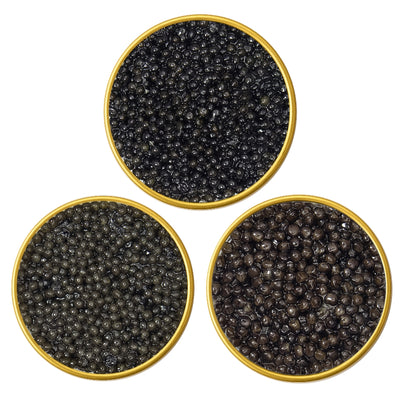
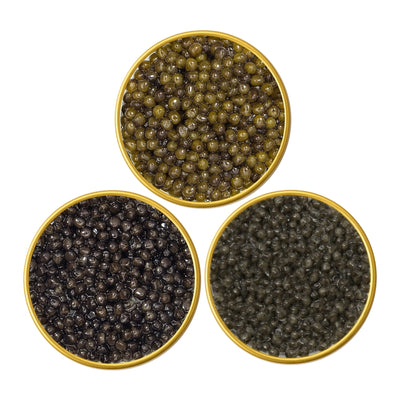
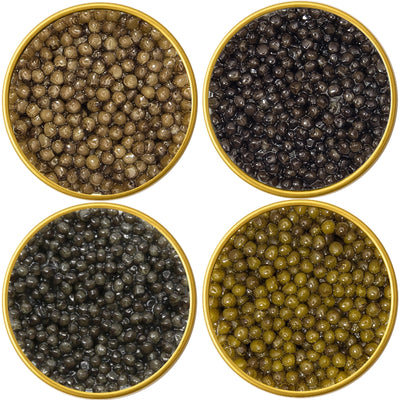
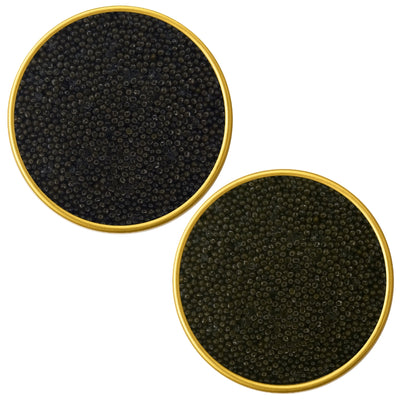
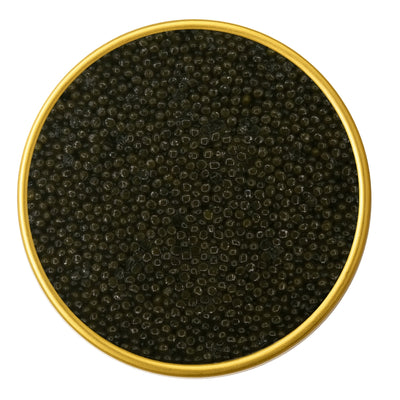
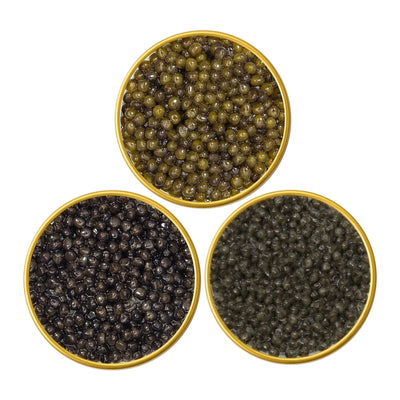
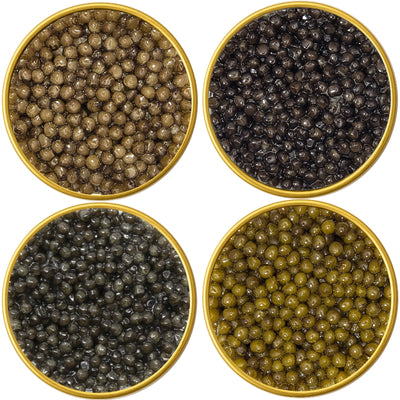
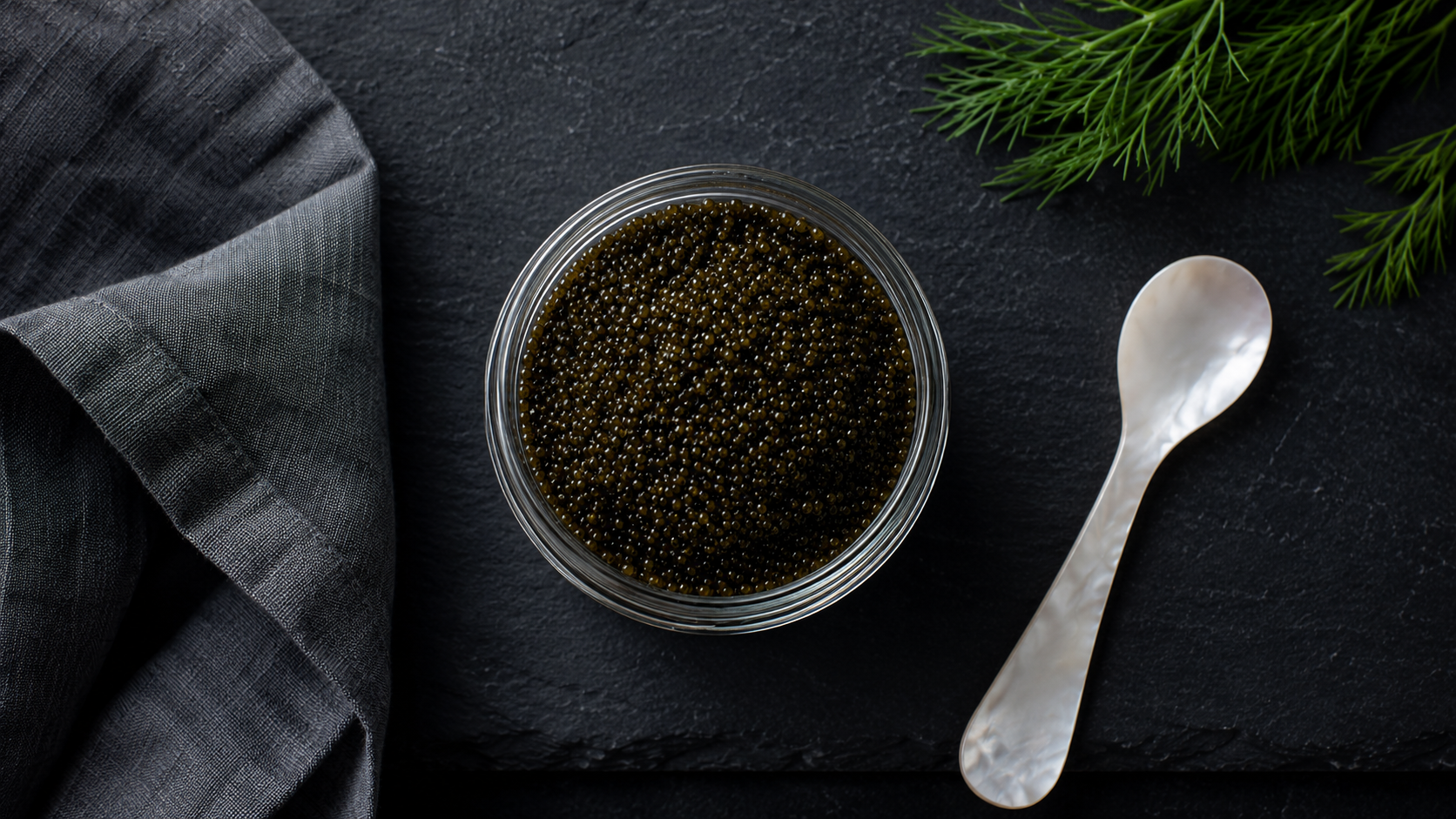
Once cured, pike caviar is packed in glass jars and refrigerated. Unlike some commercially produced roes, quality pike caviar is not dyed or artificially colored. The eggs retain their natural tone, which ranges from gray-green to dark olive, depending on the batch. This natural appearance is part of what distinguishes a well-made pike caviar from lower-quality alternatives and is worth looking for when choosing a jar.
What Pike Caviar Tastes Like
Pike caviar has a clean, assertive flavor with a pronounced mineral quality and a firm, satisfying texture. The brine is present but not heavy, sitting at a level that enhances rather than dominates. There is a freshwater character underneath the salt that is distinctive and slightly earthy, giving the roe a depth that is different from the ocean-forward profile of marine roes like lumpfish or salmon. It is not a subtle flavor, but it is a controlled one, and it rewards attention.
The texture of pike roe is one of its standout qualities. The eggs are small and very firm, with a decisive pop on the palate that releases a clean burst of brine and mineral flavor. The firmness holds up well in serving situations where softer roes might break down, making pike caviar a reliable choice for garnishing and plating applications where texture matters. The finish is clean and relatively short, which makes it easy to pair without overwhelming other elements on the plate.
Compared to sturgeon caviar, pike roe is less rich and less complex. Sturgeon caviar has a buttery depth and a long, layered finish that pike caviar does not replicate. Compared to salmon roe, pike caviar is smaller, firmer, and less sweet. It occupies its own space in the flavor spectrum, and that space is genuinely worthwhile for those who appreciate a mineral-forward, freshwater roe with character.

How Pike Caviar Compares to Other Roes
Placing pike caviar in context with other roes helps clarify what it does well and where it fits in a broader tasting or serving situation. It is not trying to be sturgeon caviar, and it is not a substitute for salmon roe. It is a distinct freshwater product with its own flavor logic, and understanding that distinction is what allows you to use it confidently.
| Category | Pike Caviar | Sturgeon Caviar | Salmon Roe |
|---|---|---|---|
| Origin | Freshwater, wild-caught | Freshwater, farmed or wild-caught | Pacific ocean, wild or farmed |
| Flavor | Mineral, briny, earthy finish | Rich, buttery, complex | Sweet, oceanic, full burst |
| Texture | Small, very firm, strong pop | Medium, creamy, pronounced burst | Large, soft, juicy |
| Color | Gray-green to dark olive | Dark gray to black | Bright orange-red |
| Price | Moderate | Premium to very high | Moderate to affordable |
| Best use | Garnish, blini, cold appetizers | Centerpiece, tasting, fine dining | Sushi, rice dishes, garnish |
Pike caviar sits comfortably alongside lumpfish roe as an accessible, distinctive option that delivers real flavor without the price commitment of sturgeon. For anyone building a roe tasting or looking to offer guests a range of options, pike caviar adds a freshwater dimension that neither marine roe nor sturgeon can provide. Our full guide to caviar varieties covers the broader landscape of roes and how each one fits into a well-considered selection.
How to Serve Pike Caviar
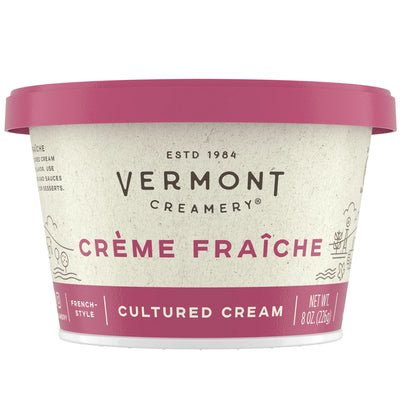
Pike caviar is best served simply, in a way that lets the mineral flavor come through without competition. The classic approach is on a small blini or toast point with a thin layer of creme fraiche or unsalted butter. The fat in the dairy rounds out the brine and softens the mineral edge just enough to make the roe more approachable, while the base provides a neutral platform that does not distract. This is a reliable combination that works every time and requires almost no preparation.
Beyond the blini, pike caviar works well as a finishing garnish on cold dishes where a firm, flavorful roe adds both texture and visual interest. Deviled eggs, cold potato preparations, and simple canapes all benefit from a small spoonful of pike roe placed just before serving. The firmness of the eggs means they hold their shape under serving conditions where softer roes might lose definition, which is a practical advantage in a catering or entertaining context.
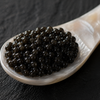
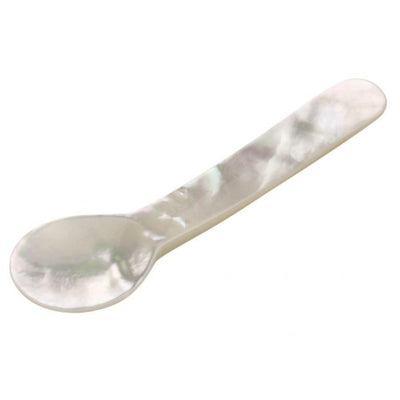
Pike caviar is also at home on a composed roe tasting board alongside one or two other types, where its freshwater character provides a clear point of contrast against marine roes. Served with a small mother-of-pearl spoon to preserve the flavor of the eggs, a tasting board that includes pike caviar, lumpfish roe, and salmon roe gives guests a genuine tour of the category without requiring an investment in sturgeon. For more on how to present and pair roe correctly, our caviar etiquette and pairings guide covers the essentials in full.

Is Pike Caviar Worth Buying?
Yes, particularly if you are interested in freshwater roe or want to move beyond the more familiar options. Pike caviar delivers a flavor profile that is genuinely its own: mineral, firm, and direct, with a freshwater character that no marine roe replicates. It is not a stepping stone to something better. It is a product that stands on its own terms and rewards the attention you bring to it.
The value proposition is also strong. Pike caviar sits at a moderate price point that makes it practical for regular use, entertaining, and experimentation without the commitment that premium sturgeon caviar requires. For anyone who has worked through the more accessible marine roes and wants something with a different flavor logic, pike caviar is the natural next step. For a broader look at the range of options available and how to think about quality across different types, our caviar basics guide provides useful context.
The honest caveat is that pike caviar is not for everyone. The mineral, earthy quality of freshwater roe is more assertive than the clean brine of lumpfish or the sweetness of salmon roe, and some palates will prefer those profiles. If you have never tried freshwater caviar before, starting with a small jar is the right approach. Most people who try pike caviar with an open mind and good accompaniments find it a worthwhile addition to their roe repertoire.
Where to Buy Pike Caviar
When buying pike caviar, look for jars that show natural egg color rather than artificial dye, a short ingredient list of roe and salt only, and a clear best-before date with an intact seal. Whole, unbroken eggs are a sign of careful handling throughout the supply chain. Broken or mushy eggs in the jar indicate poor processing or age, and neither produces a good eating experience. The FDA seafood handling guidelines outline the cold-chain standards that govern how roe products are stored and transported before reaching the consumer in the United States.
Pike caviar is less widely available than marine roes, which means sourcing matters more than it does for lumpfish or salmon roe. A retailer that specializes in roe and caviar will handle pike caviar with the care it requires, storing it at the correct temperature and turning inventory at a pace that keeps the product fresh. A general food retailer carrying pike caviar as an afterthought is a less reliable source, regardless of the brand on the jar.
Caviar Malosol carries pike caviar sourced and handled to the same standards we apply across our full range: whole grain eggs, malossol cure, and proper cold-chain management from production through delivery. You can browse and order directly from our pike caviar collection, with temperature-controlled shipping that ensures the product arrives in the condition it left. Pike caviar is a rewarding and distinctive roe, and finding a good jar is the only thing standing between you and understanding why.