
How to Properly Store Caviar and How Long Will it Last?
- Updated

Caviar should always be stored cold, sealed, and treated as a highly perishable food. When handled correctly, premium caviar can last several weeks in the refrigerator, depending on freshness at the time of purchase. Once opened, caviar has a much shorter lifespan and should be consumed within a few days. If caviar shows any signs of spoilage, it should never be eaten and must be discarded.
Because caviar is lightly salted and highly sensitive to temperature changes and air exposure, proper storage is essential to preserving both flavor and texture. Even small handling mistakes can permanently affect quality. This guide explains how to store caviar correctly, how long it lasts, and what to do if freshness is compromised.
Why Caviar Requires Special Storage

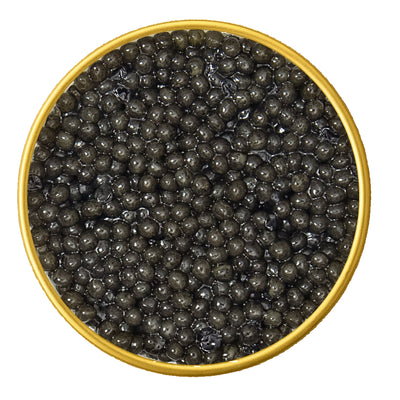
Caviar is made from lightly cured fish roe and contains a high level of natural moisture, which makes it far more fragile than most preserved foods. Premium varieties, especially caviar malosol, use minimal salt to maintain a clean flavor and firm egg structure. While this results in a superior eating experience, it also makes caviar more susceptible to spoilage.
The curing process plays a major role in how caviar behaves during storage. For a deeper explanation, you can read our guide on how caviar is cured and preserved. Understanding curing helps explain why strict temperature control and careful handling are necessary throughout caviar’s lifespan.
Heat, oxygen, and inconsistent temperatures accelerate spoilage and degrade texture over time. Even brief exposure to improper conditions can permanently alter the caviar and dull their flavor. For this reason, caviar should always be treated with the same care as fresh seafood.
How to Properly Store Caviar

The best way to store caviar is in a consistently cold environment with minimal exposure to air. Refrigeration is the preferred and recommended method for storing premium caviar. Where the caviar sits in the refrigerator matters almost as much as the temperature itself.
Caviar should be kept between 33°F and 36°F. This temperature range slows bacterial activity without freezing the roe. The coldest part of the refrigerator, usually the back of the bottom shelf, provides the most stable environment. The refrigerator door should be avoided because frequent opening causes temperature fluctuations.
Caviar should remain sealed until it is ready to be served. Once the tin is opened, air exposure begins immediately and gradually affects freshness. After serving, the lid should be replaced tightly and the caviar returned to the refrigerator without delay.
Opened caviar is best consumed within one to five days. While it may remain safe slightly longer under ideal conditions, both flavor and texture decline quickly after opening. For the best experience, caviar should always be enjoyed as fresh as possible.
Why Freezing Caviar Is Generally Not Recommended
Although caviar can technically be frozen, freezing is not recommended for premium sturgeon caviar. The delicate egg membranes are easily damaged by freezing temperatures, which significantly alters texture and flavor once thawed. Frozen sturgeon caviar often becomes mushy and oily, losing the qualities that make it valuable.
Freezing disrupts the structure of the roe and causes excess liquid to be released during thawing. This results in a softer mouthfeel and muted flavor. For high-quality sturgeon caviar, refrigeration remains the preferred storage method.
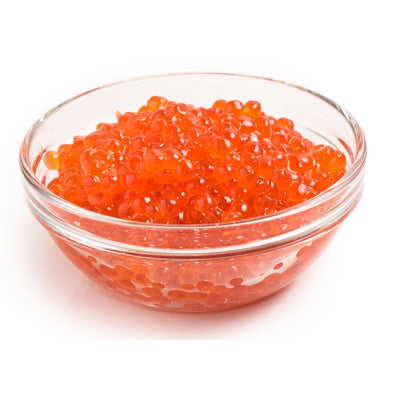
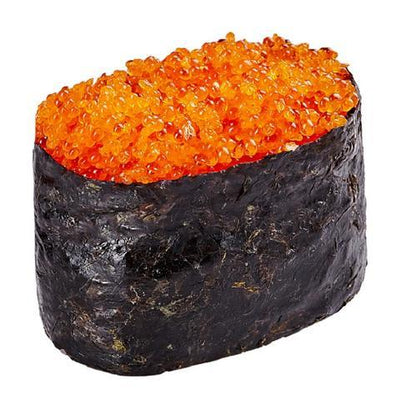
Less expensive varieties, such as salmon roe, tolerate freezing better due to their firmer egg structure. These products are designed for more flexible storage and are less affected by freezing.
If freezing cannot be avoided, it should only be done as a last resort. In such cases, use unopened tins for short periods or freeze small, airtight portions to limit damage. Frozen caviar should always be thawed slowly in the refrigerator and never at room temperature. Even with careful handling, some loss of quality should be expected.
Beluga caviar deserves special mention. Due to its exceptionally delicate eggs, freezing Beluga caviar is strongly discouraged. It should always be stored refrigerated and consumed fresh.
Pasteurized vs Fresh Caviar: Storage Differences
Pasteurized caviar undergoes a controlled heating process after salting, which significantly extends shelf life. This allows pasteurized caviar to be stored unrefrigerated before opening, making it more convenient for long-term storage.
However, pasteurization alters texture and reduces flavor complexity. Fresh, unpasteurized caviar requires stricter storage conditions but delivers a more refined and expressive eating experience. The difference is especially noticeable in mouthfeel and aroma.
Regardless of whether caviar is pasteurized or fresh, once a tin is opened it should always be refrigerated and consumed promptly.
How Long Does Caviar Lasts
- Refrigerated caviar, unopened: several weeks and sometimes up to one month
- Refrigerated caviar, opened: one to five days when properly sealed and stored
- Frozen caviar: possible but not recommended for premium sturgeon caviar
- Pasteurized caviar, unopened: up to one year depending on packaging
What to Do If Your Caviar Goes Bad

Even when caviar is stored correctly, spoilage can still occur due to shipping delays, temperature fluctuations, or extended storage after opening. Recognizing the signs of spoiled caviar is important for protecting your health. When in doubt, it is always safer to discard the product.
Fresh caviar should have a clean, mild aroma. Warning signs include a sour or ammonia-like smell, excess liquid or cloudy separation, mushy eggs, and unnatural discoloration. If caviar smells unpleasant, do not taste it to confirm freshness.
Other Factors That Can Cause Caviar to Spoil
Improper storage temperature is not the only cause of spoilage. Handling and exposure play a major role in how quickly caviar deteriorates.
Air exposure begins the moment a tin is opened, allowing oxidation to break down natural fats. Contamination during serving, temperature fluctuations, poor sealing after opening, extended time at room temperature, and refreezing after thawing all accelerate quality loss.
Common Caviar Storage Mistakes to Avoid
- Leaving caviar out at room temperature for extended periods
- Freezing premium sturgeon caviar unnecessarily
- Refreezing thawed caviar
- Storing caviar in unstable refrigerator zones
- Failing to reseal tins tightly after opening
Best Practices for Storing Caviar
- Keep caviar consistently cold in the refrigerator
- Store it sealed and protected from air exposure
- Avoid freezing premium sturgeon caviar whenever possible
- Consume opened caviar as soon as possible
- When freshness is uncertain, discard the caviar
When handled with care, caviar maintains its delicate texture and clean flavor. Knowing how to store caviar properly ensures that every serving reflects the quality and craftsmanship behind it.