

What Is Crème Fraîche? A Guide to Its Flavor, Texture, and Uses
- Updated

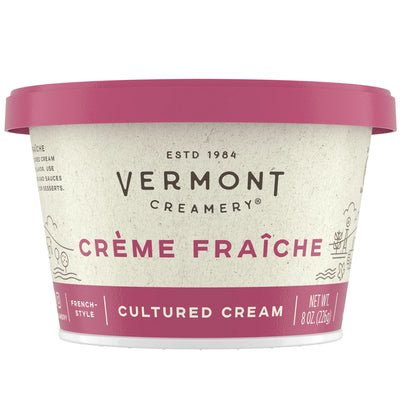
Crème fraîche is a cultured cream made by fermenting heavy cream with natural bacterial cultures. This fermentation process thickens the cream and gives it a mild, slightly tangy flavor while preserving a rich, silky texture. Unlike sharper cultured dairy products, crème fraîche is known for its balance: creamy without being heavy and tangy without being overpowering.
Originating in France, crème fraîche has long been a staple in both traditional home cooking and professional kitchens. It is commonly used in sauces, soups, desserts, and as a finishing ingredient, where its smooth consistency enhances flavor without masking other components. Because of its higher fat content, crème fraîche remains stable when heated, making it especially versatile in cooking.
At its core, crème fraîche is valued for its restraint. Rather than dominating a dish, it adds depth, richness, and texture, which is why it continues to play an important role in refined European cuisine.

How Crème Fraîche Is Made
Crème fraîche is traditionally made using just two ingredients: heavy cream and bacterial culture. Once the culture is added, the cream is left to ferment slowly at a controlled temperature. During this process, lactic acid bacteria convert lactose into lactic acid, which naturally thickens the cream and develops its subtle tang.
The fat content of the cream plays a crucial role in the final result. With approximately 30 percent fat or more, crème fraîche develops a dense, velvety texture that remains smooth rather than grainy. This higher fat level also protects the cream from curdling, even when exposed to heat.
Although modern production methods ensure consistency and safety, the process itself remains simple and traditional. When made properly, crème fraîche requires no stabilizers or artificial thickeners, relying instead on natural fermentation to achieve its signature texture and flavor.
What Does Crème Fraîche Taste Like?
Crème fraîche has a mild, clean tang paired with a rich, rounded creaminess. Its acidity is noticeably softer than that of sour cream, which gives it a more balanced and refined flavor. This subtle tang allows crème fraîche to complement delicate ingredients without overpowering them.
Texture is one of crème fraîche’s defining characteristics. It feels smooth and luxurious on the palate, with a thickness that coats rather than weighs down a dish. This mouthfeel makes it particularly appealing as a finishing element, where texture is just as important as taste.
Because its flavor is restrained, crème fraîche works well in both savory and sweet applications. It can enhance seafood, balance acidity in sauces, or add richness to desserts while allowing other flavors to remain at the forefront.
Crème Fraîche vs. Sour Cream
Crème fraîche and sour cream are often compared, but they serve different purposes in the kitchen. While both are cultured dairy products, their composition and behavior differ in important ways.
Crème fraîche contains more fat than sour cream, which gives it a smoother texture and greater heat stability. This allows it to be used in warm sauces, soups, and cooked dishes without separating. Sour cream, by contrast, has a lower fat content and higher acidity, making it more likely to curdle when heated.
Flavor is another key distinction. Sour cream has a sharper, more pronounced tang that works well in dips, baked potatoes, and cold applications. Crème fraîche is milder and more refined, which is why it is often preferred in dishes where balance, texture, and subtlety are essential.
Can You Cook with Crème Fraîche?
Yes, crème fraîche is exceptionally well suited for cooking, which is one of the main reasons it is favored by professional chefs. Thanks to its high fat content, crème fraîche does not curdle when exposed to heat. This makes it ideal for use in warm sauces, soups, and braised dishes where other cultured creams might separate.
Crème fraîche can be gently simmered, stirred into hot preparations, or used as a finishing touch without compromising texture. It can also be whipped lightly or folded into mixtures, providing richness without heaviness. This stability gives cooks more control and flexibility when building flavor.
Because it maintains its structure under heat, crème fraîche is often chosen over sour cream in recipes where smoothness and consistency are essential.
Common Uses for Crème Fraîche
Crème fraîche is prized for its versatility and can be used across a wide range of culinary applications. Its mild flavor and silky texture allow it to enhance dishes without overwhelming them.
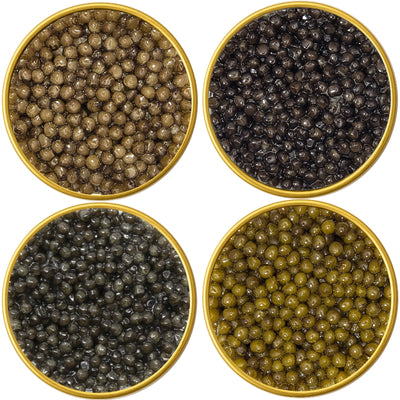
In savory cooking, crème fraîche is commonly used in sauces, soups, and pasta dishes, where it adds body and balance. It pairs particularly well with seafood, including smoked fish and caviar, where its subtle tang complements delicate flavors.
In sweet applications, crème fraîche can be served with fresh fruit, folded into desserts, or used as a topping for pastries. It is also frequently used as a finishing garnish, adding both visual appeal and textural contrast to plated dishes.

Nutritional Profile of Crème Fraîche
Crème fraîche is a rich dairy product with a high fat content, primarily made up of saturated fats. It also contains moderate amounts of protein and carbohydrates, along with naturally occurring vitamins such as vitamins A and D.
Because it is a cultured product, crème fraîche may contain beneficial bacteria that support digestion. However, it is best enjoyed in moderation as part of a balanced diet due to its calorie density.
While crème fraîche is not typically consumed for its nutritional benefits alone, its composition contributes to its satisfying texture and ability to enhance flavor in small amounts.
How Long Does Crème Fraîche Last?
Proper storage is essential to maintaining the quality of crème fraîche. When unopened and kept refrigerated, crème fraîche can last up to two to three weeks, depending on the producer and packaging.
Once opened, crème fraîche should be consumed within five to seven days for best flavor and texture. It should always be stored in the refrigerator, kept tightly sealed, and handled with clean utensils to avoid contamination.
Signs that crème fraîche has gone bad include an off or sour smell, visible mold, or changes in texture. If any of these occur, it should be discarded.
Substitutes for Crème Fraîche
If crème fraîche is unavailable, there are several substitutes that can work depending on the recipe. Each alternative has limitations and should be chosen based on how the dish will be prepared.
- Sour cream: A common substitute with a sharper tang and lower fat content. Best used in cold dishes or applications where heating is not required.
- Greek yogurt: Offers a similar tang and thickness but is less rich and more prone to curdling when heated.
- Homemade crème fraîche: A mixture of heavy cream and buttermilk left to ferment at room temperature for 12 to 24 hours can closely mimic traditional crème fraîche.
While substitutes can work in many situations, authentic crème fraîche provides superior texture and stability, particularly in cooked dishes.
Why Crème Fraîche Is Used in Fine Dining
Crème fraîche has long been a staple in fine dining because of its balance, stability, and subtle flavor. Unlike heavier creams or sharper cultured dairy products, it enhances a dish without dominating it. Chefs value this restraint, especially when working with delicate ingredients where texture and nuance matter.
Its ability to withstand heat without separating makes crème fraîche reliable in professional kitchens. It can be incorporated into sauces, reductions, and finished plates with consistency and precision. This dependability allows chefs to focus on flavor development rather than managing technical limitations.
Crème fraîche also plays an important role in presentation. Its smooth texture and natural sheen make it ideal for garnishing, plating, and finishing dishes with visual elegance. Whether paired with seafood, vegetables, or desserts, it contributes refinement without excess.
Where to Buy High-Quality Crème Fraîche
Quality matters when choosing crème fraîche. A well-made product should contain simple ingredients, primarily cream and culture, without unnecessary stabilizers or additives. Texture should be thick and smooth, and the flavor should be mild with a gentle tang.
Crème fraîche designed for gourmet use is often produced with pairing in mind, particularly alongside ingredients such as seafood and caviar. When purchasing online, it is important to choose a retailer that prioritizes proper refrigeration, careful handling, and temperature-controlled shipping to preserve freshness.
Selecting a trusted source ensures that crème fraîche arrives in optimal condition and performs as expected in both cooking and serving applications.
Why Crème Fraîche Belongs in Your Kitchen
Crème fraîche is more than a cultured cream. Its unique combination of texture, flavor, and versatility makes it an essential ingredient in both everyday cooking and refined cuisine. From enriching sauces to complementing delicate dishes, it offers balance without excess.
Understanding what crème fraîche is and how it behaves allows cooks to use it with confidence. Its stability, subtle tang, and smooth consistency give it a distinct place among dairy products.
Whether you are preparing a simple meal or an elegant presentation, crème fraîche provides a quiet sophistication that elevates the final result.