
Masago in Sushi: Discovering the Crunchy Charm of Capelin Roe
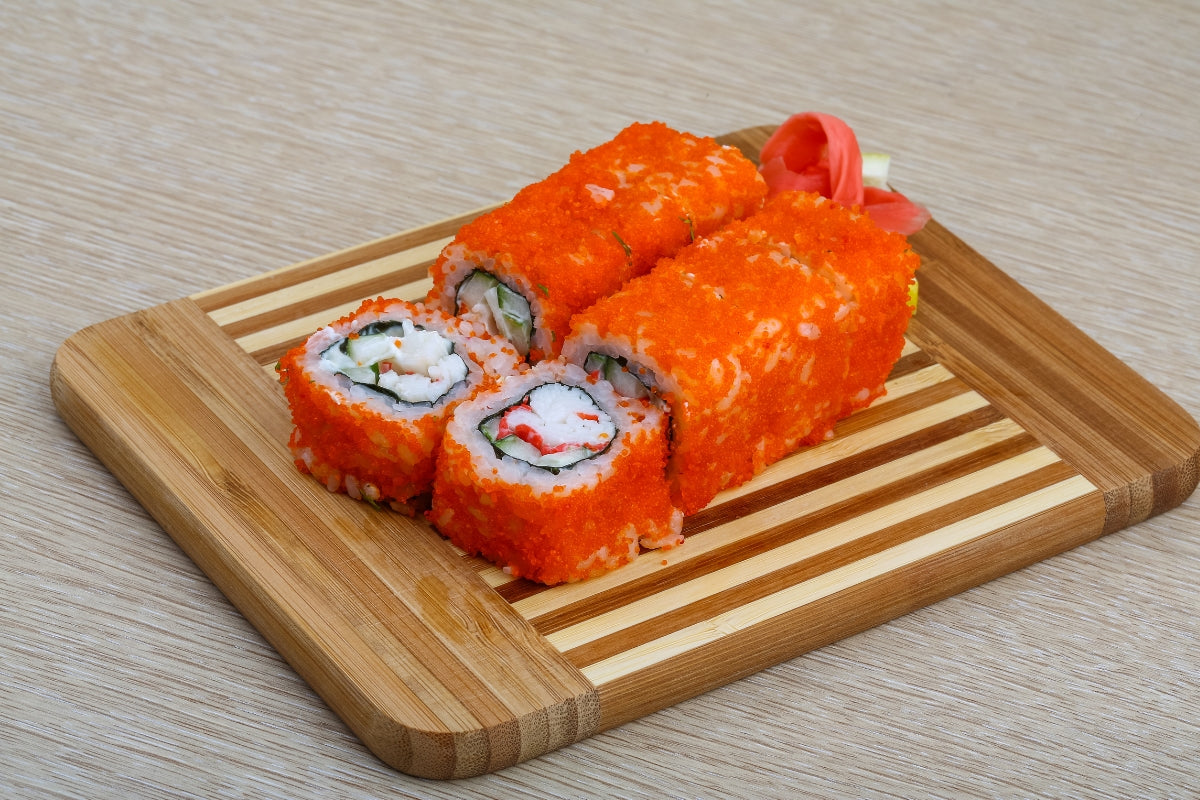
Step into the mesmerizing world of sushi, where every bite is a balance of texture, flavor, and craftsmanship. Among the countless toppings and fillings that adorn these colorful rolls, one tiny delicacy consistently draws attention: masago.
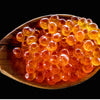
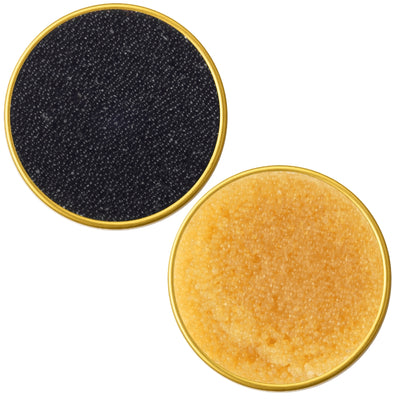
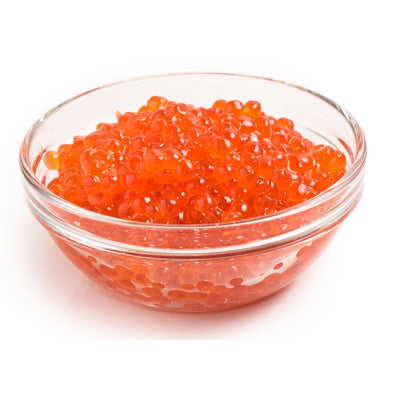
Masago is processed capelin roe, a tiny orange fish roe that adds both flavor and texture to sushi. These small, crunchy eggs are prized for their subtle ocean-forward taste, offering a gentle brininess that enhances rather than overpowers the dish. When paired with fresh raw fish and seasoned sushi rice, masago adds contrast, depth, and a satisfying pop.
While naturally pale yellow, masago is commonly seasoned and colored during preparation to achieve its signature bright orange appearance. This transformation not only enhances its visual appeal but also helps explain why masago has become such a recognizable element in modern sushi presentation.
To truly appreciate masago, it helps to understand where it comes from, how it’s prepared, and why chefs rely on it for both flavor and aesthetics. In the sections below, we’ll explore its origins, culinary uses, and nutritional value.
Whether you’re a seasoned sushi connoisseur or just beginning to explore sushi, this guide will help you understand what makes masago special and why it continues to play a key role in sushi cuisine.
What Is Masago?
Masago is the roe of the capelin fish, a small cold-water species native to the North Atlantic and Arctic oceans. Capelin are an important part of marine ecosystems, and their roe has long been valued for its versatility and mild flavor.
Compared to other sushi roes, masago stands out for its delicate size, clean briny taste, and crisp texture. It is smaller and softer than tobiko (flying fish roe), making it especially well suited for rolls, rice toppings, and creamy sauces where balance is essential.

The History and Origin of Masago

Capelin fish have been harvested for centuries in cold-water regions such as Iceland, Norway, and parts of the North Atlantic. While capelin roe was traditionally consumed closer to its source, masago found its culinary identity in Japanese cuisine, where it became a staple ingredient in sushi and seafood dishes.
As sushi culture expanded globally, masago followed. Its affordability, shelf stability, and visual appeal made it a natural fit for sushi restaurants worldwide, helping it transition from a regional ingredient into a global favorite.
Nutritional Benefits of Masago
Beyond its role as a garnish or topping, masago contributes meaningful nutritional value. It is a source of protein, omega-3 fatty acids, and essential micronutrients that support overall health.
Masago contains vitamin B12, selenium, and magnesium, nutrients associated with brain function, cardiovascular health, and energy production. When enjoyed in moderation as part of a balanced diet, masago adds both flavor and functional nutrition to sushi dishes.
Common Uses of Masago in Sushi

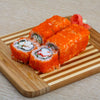
Masago is widely used across a variety of sushi preparations. It is often sprinkled over rolls to add crunch and color, blended into spicy mayo for added texture, or used as a topping for nigiri and sashimi.
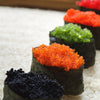
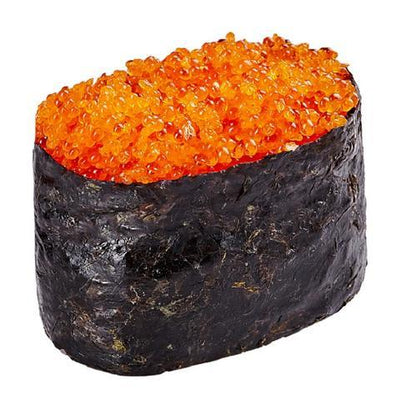
You’ll also find masago in gunkan maki, hand rolls, seafood salads, and rice bowls. Its mild flavor allows it to enhance a dish without competing with other ingredients, which is why chefs rely on it for both visual impact and balance.
Masago vs. Tobiko: What’s the Difference?


While both masago and tobiko are commonly used in sushi, they differ in size, texture, and intensity. Masago is smaller and less crunchy, offering a softer bite and a more understated, gently briny flavor. Tobiko, by contrast, has larger eggs and a firmer texture. It is often dyed and flavored with ingredients like wasabi or squid ink, giving it a bolder visual and taste profile.
To the untrained eye, however, masago and tobiko can be difficult to distinguish when served on sushi, as both appear as small, brightly colored roe. Masago is typically more affordable, making it a popular choice for rolls and garnishes, while tobiko is often used when a stronger crunch and visual impact are desired.
Where to Buy Masago
Masago is widely available at Asian grocery stores and seafood markets, usually sold frozen or refrigerated. When selecting masago, look for evenly sized roe with bright color and a clean, neutral aroma.
For added convenience and quality assurance, you can also purchase masago online from trusted suppliers such as Caviar Malosol, where it is shipped in insulated packaging to maintain freshness.
How to Store and Handle Masago
Proper storage is essential to preserving masago’s texture and flavor. Keep it refrigerated or frozen in an airtight container, depending on how soon it will be used. Once thawed, avoid refreezing and limit exposure to air and room temperature.
Frozen masago can last several months when stored correctly. After thawing, it should be consumed within a few days to ensure optimal taste and texture.
Enjoying the Unique Taste of Masago in Sushi
Masago brings a distinctive crunch, gentle brininess, and vibrant color to sushi dishes. Its versatility and approachable flavor make it a favorite in both traditional preparations and modern interpretations.
Whether used as a topping, mixed into sauces, or served as a garnish, masago adds balance and refinement to sushi, proving that even the smallest ingredients can make a meaningful impact.